10 Fast Ways How to Grow Arugula Greens
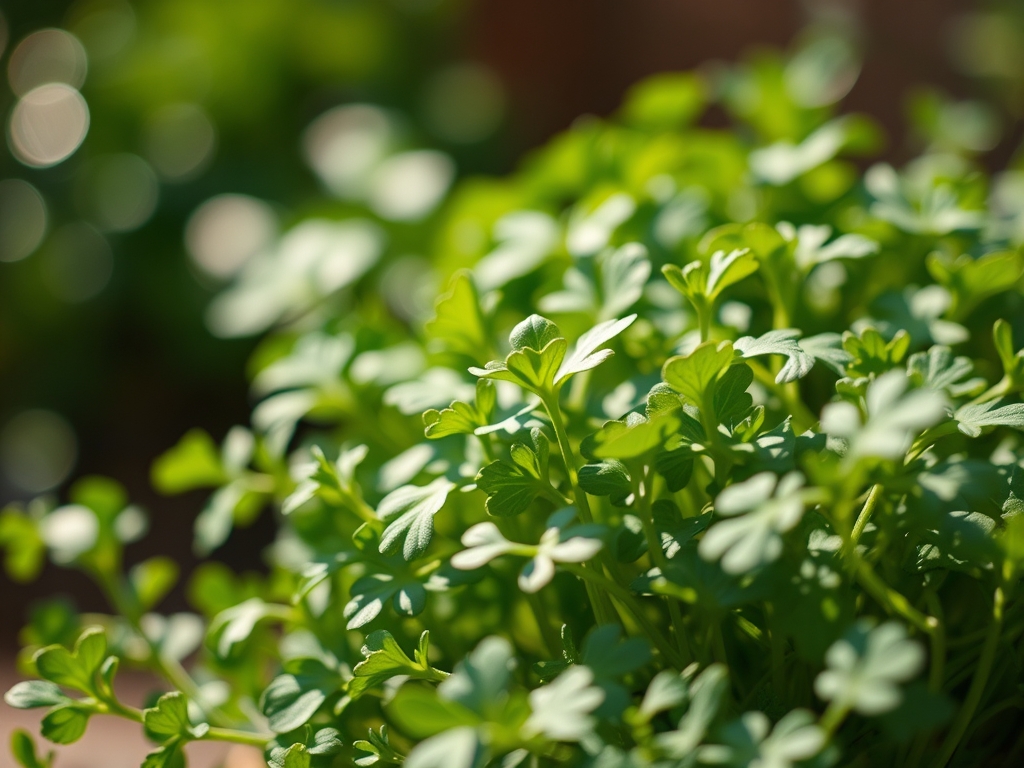
The smell of crushed Eruca vesicaria leaves releases a sharp, mustard-like pungency that signals high concentrations of glucosinolates. When the cellular turgor pressure is optimal, the leaves snap with a clean, audible crack. Success in learning how to grow arugula greens depends on managing the rapid life cycle of this cool-season brassica. It transitions from seed to harvest in as little as 28 days. Precision in soil temperature and nitrogen availability ensures a crop that is peppery rather than bitter.
Materials:
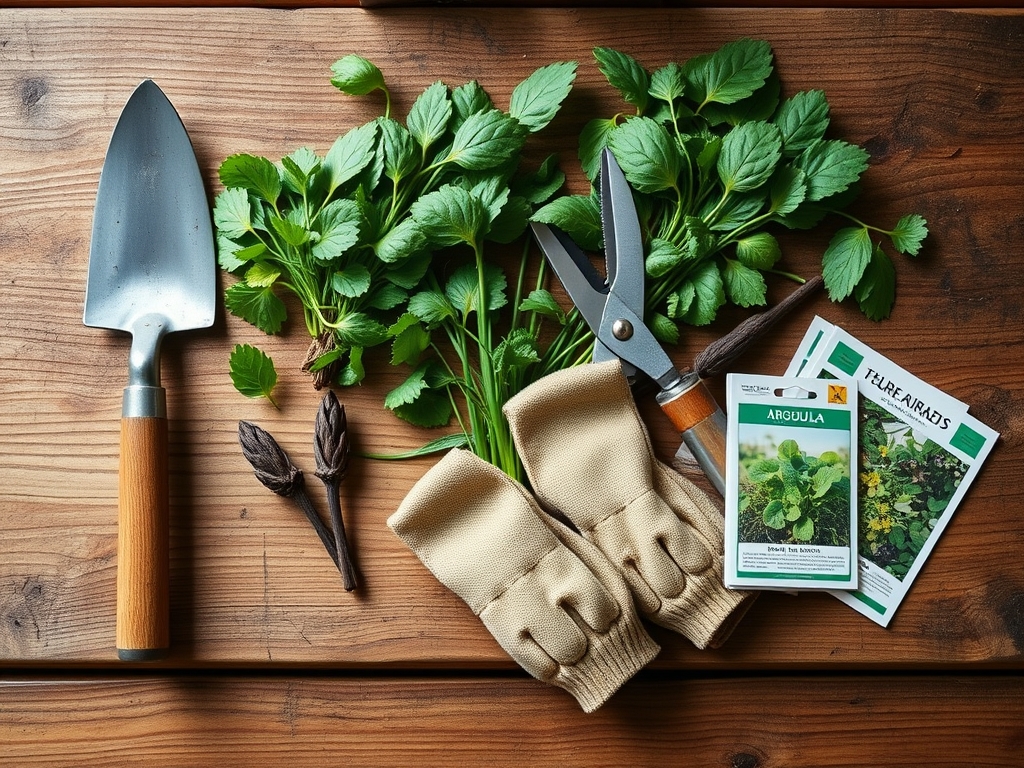
Arugula requires a **friable loam** with a high Cation Exchange Capacity (CEC) to facilitate nutrient uptake. The ideal soil **pH range is 6.0 to 7.0**. Before planting, integrate organic matter to improve the rhizosphere environment. Use a balanced NPK ratio of **10-10-10** for initial bed preparation. If the soil is sandy, supplement with compost to increase water retention. The physical substrate must be free of large clods to ensure the small seeds maintain direct contact with the soil particles. High nitrogen levels are essential for vegetative leaf production, but excessive amounts can lead to soft tissue that is susceptible to environmental stress.
Timing:
Arugula is a facultative long-day plant that thrives in USDA Hardiness Zones 3 through 11. The biological clock of the plant is governed by temperature and photoperiod. It begins its vegetative stage when soil temperatures reach 40 degrees Fahrenheit. However, optimal germination occurs at 60 to 70 degrees Fahrenheit. As the photoperiod extends beyond 12 hours and temperatures exceed 80 degrees Fahrenheit, the plant enters the reproductive stage, known as bolting. This transition triggers senescence in the lower leaves and a sharp increase in bitter compounds. To maximize the harvest window, sow seeds four weeks before the last frost in spring or six weeks before the first frost in autumn.
Phases:
Sowing
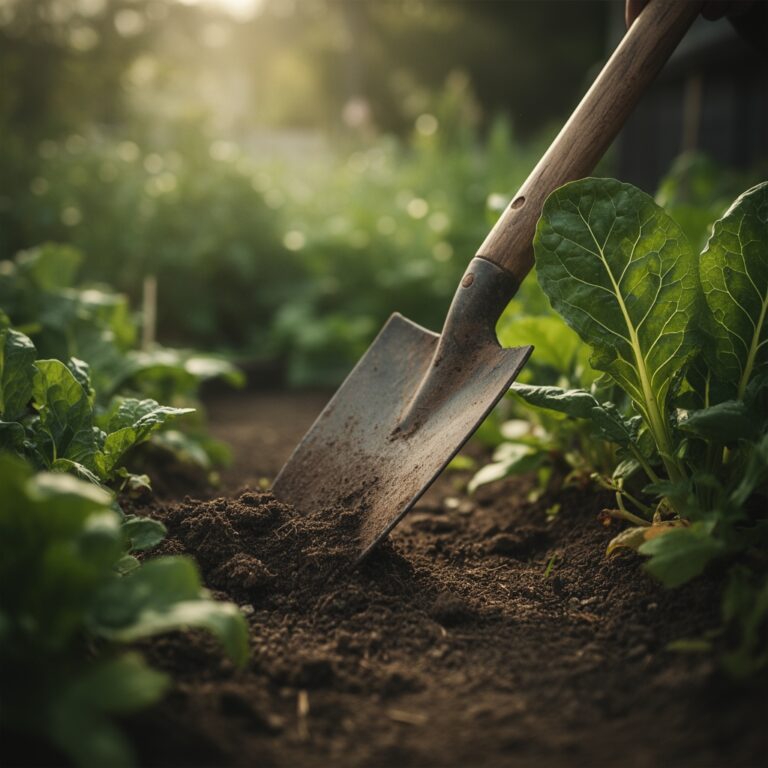
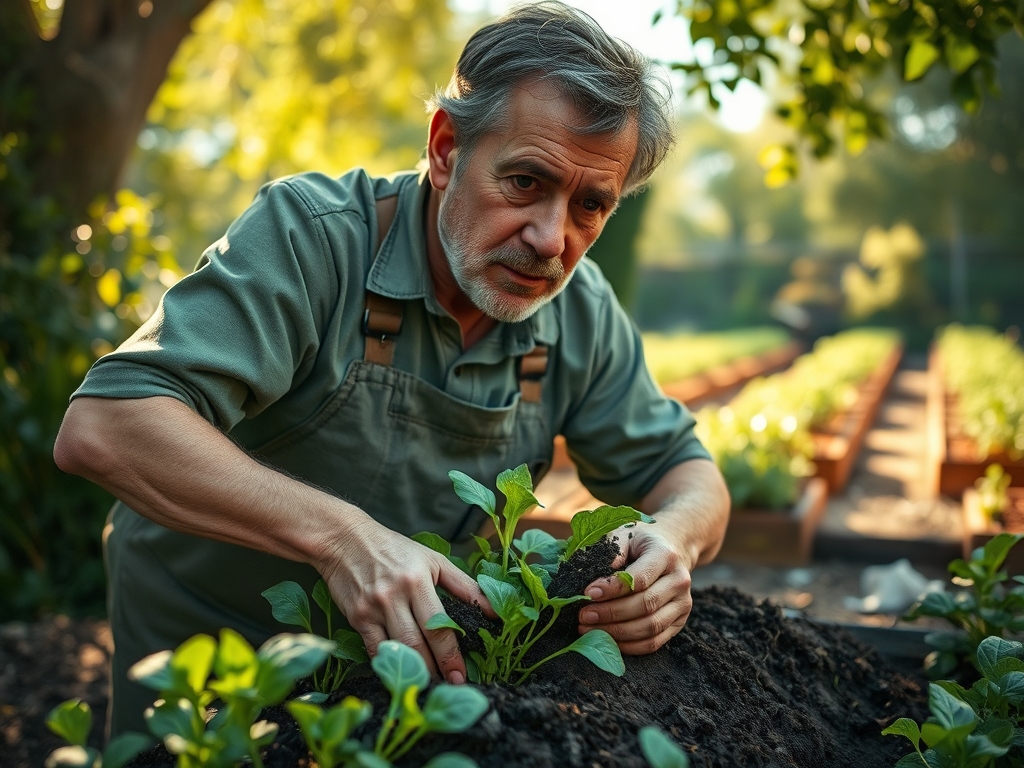
Direct sow seeds at a depth of 1/8 to 1/4 inch. Space rows 12 inches apart to allow for adequate airflow. Maintaining consistent moisture during the first seven days is critical for the emergence of the radicle.
Pro-Tip: Ensure firm seed-to-soil contact to prevent air pockets. This facilitates capillary action, allowing the seed coat to imbibe water efficiently and trigger the metabolic processes required for germination.
Transplanting
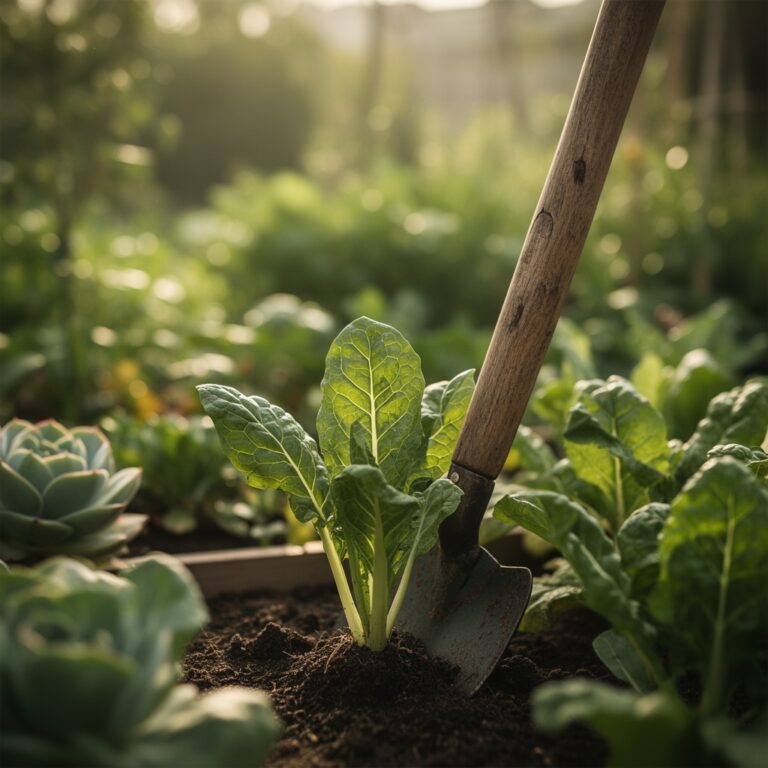
While direct sowing is preferred, you can transplant seedlings when they have two sets of true leaves. Use a hori-hori knife to create a deep enough hole to accommodate the entire root plug without bending the primary taproot.
Pro-Tip: Minimize root disturbance to avoid transplant shock. Disrupting the delicate root hairs can halt the production of auxins, the hormones responsible for cell elongation, leading to stunted growth or premature bolting.
Establishing
Once the plants reach three inches in height, thin them to a spacing of 4 to 6 inches. This reduction in density decreases competition for light and soil nutrients.
Pro-Tip: Thinning improves the Red to Far-Red light ratio reaching the base of the plants. High density causes plants to sense neighboring foliage, triggering a shade-avoidance response that results in elongated, weak stems rather than robust leaves.
The Clinic:
Physiological disorders in arugula often stem from environmental stressors or nutrient imbalances.
- Symptom: Yellowing of older leaves (Chlorosis).
Solution: This indicates a Nitrogen deficiency. Apply a water-soluble high-nitrogen fertilizer to the soil surface. - Symptom: Purple tinting on leaf undersides.
Solution: This suggests Phosphorus deficiency, often caused by cold soil temperatures (below 50 degrees Fahrenheit) which limit nutrient mobility. Increase soil temperature using row covers. - Symptom: Tip burn or necrotic leaf edges.
Solution: This is typically a Calcium transport issue caused by inconsistent watering. Maintain a steady moisture profile to ensure calcium moves through the xylem. - Symptom: Premature flowering (Bolting).
Solution: Triggered by high heat. Use 30 percent shade cloth to lower the ambient temperature and extend the vegetative phase.
Maintenance:
Precision irrigation is the foundation of high-quality greens. Arugula requires 1.5 inches of water per week delivered at the drip line to keep the root zone hydrated. Use a soil moisture meter to ensure the top 4 inches of soil remain moist but not saturated. Over-saturation leads to anaerobic conditions in the rhizosphere, which can cause root rot. Keep the area free of weeds using a sharp hori-hori knife for precision weeding. Avoid overhead irrigation in the late evening; moisture on the foliage for extended periods increases the risk of fungal pathogens. Instead, water in the early morning to allow the sun to dry the leaves quickly.
The Yield:
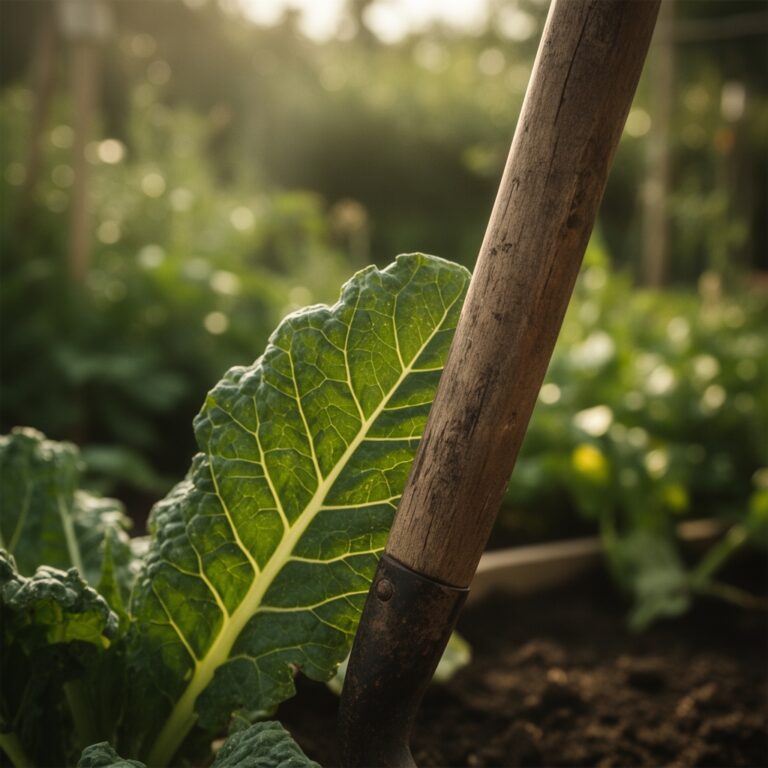
Harvesting can begin when leaves are 3 to 4 inches long. For baby greens, use bypass pruners or garden shears to cut the outer leaves, leaving the central growing point intact for a "cut-and-come-again" harvest. If the plant begins to form a central stalk, the flavor will intensify significantly. To maintain "day-one" freshness, harvest in the early morning when the plant is at maximum turgidity. Immediately submerge the greens in 40-degree Fahrenheit water to remove field heat. This process, known as hydro-cooling, slows down the metabolic rate and prevents wilting. Store the greens in a sealed container at 33 to 35 degrees Fahrenheit with high humidity.
FAQ:
Why is my arugula so spicy?
High temperatures and water stress increase the concentration of glucosinolates and isothiocyanates. To maintain a milder flavor, grow the plants in temperatures below 75 degrees Fahrenheit and ensure consistent soil moisture of at least 1.5 inches per week.
Can I grow arugula in containers?
Yes. Use a pot at least 6 inches deep with adequate drainage holes. Utilize a high-quality potting mix with a neutral pH. Because containers dry out faster, monitor moisture levels daily with a soil moisture meter.
How long does it take for arugula to germinate?
In optimal conditions with soil temperatures between 60 and 70 degrees Fahrenheit, arugula seeds will germinate in 3 to 7 days. Ensure the seeds are covered by no more than 1/4 inch of friable soil.
Does arugula need full sun?
Arugula performs best in full sun (6 or more hours) during cool weather. However, in late spring or warmer climates, partial shade helps prevent bolting by lowering the leaf temperature and reducing the plant's metabolic rate.