10 Pro Tips How to Grow Escarole Leaf
The scent of damp, mineral-rich earth signals the beginning of a successful cool-season crop. When you snap a mature leaf of Cichorium endivia, the immediate release of milky latex and the high turgor pressure of the cell walls confirm the plant is at its physiological peak. Learning how to grow escarole leaf requires a mastery of soil chemistry and temperature control. This broad-leafed endive thrives in the narrow thermal window between the heat of summer and the deep freezes of winter. Success is measured by the density of the blanched heart and the absence of premature bolting. You must manage the plant from a cellular level; ensuring that water uptake and nutrient transport remain constant to prevent the development of excessive bitterness or woody vascular tissue.
Materials:
The ideal substrate for escarole is a **friable loam** with a high percentage of organic matter to facilitate a high **Cation Exchange Capacity (CEC)**. This allows the soil to retain essential nutrients like potassium and magnesium against leaching. Aim for a **soil pH between 6.0 and 6.8**. If the pH drops below 5.5, molybdenum becomes unavailable; which stunts leaf development.
Before planting, incorporate a balanced organic fertilizer with an NPK ratio of 5-10-10. While nitrogen is necessary for leafy growth, an excess of nitrogen (such as a 20-10-10) can lead to rapid, weak cellular structures that are susceptible to tipburn and aphid infestations. You will also need a soil moisture meter to ensure the rhizosphere remains consistently hydrated without becoming anaerobic.
Timing:
Escarole is a biennial grown as an annual, primarily thriving in USDA Hardiness Zones 4 through 9. The biological clock of the plant is governed by the photoperiod and temperature. It requires approximately 85 to 100 days to reach full maturity. For a fall harvest, sow seeds roughly 8 to 10 weeks before the first expected hard frost.
The plant enters its reproductive stage (bolting) when exposed to temperatures consistently above 80 degrees Fahrenheit or when daylight exceeds 14 hours. Conversely, exposure to temperatures below 25 degrees Fahrenheit for extended periods will trigger senescence or cellular collapse. The goal is to keep the plant in the vegetative phase by maintaining a soil temperature between 50 and 70 degrees Fahrenheit.
Phases:
Sowing
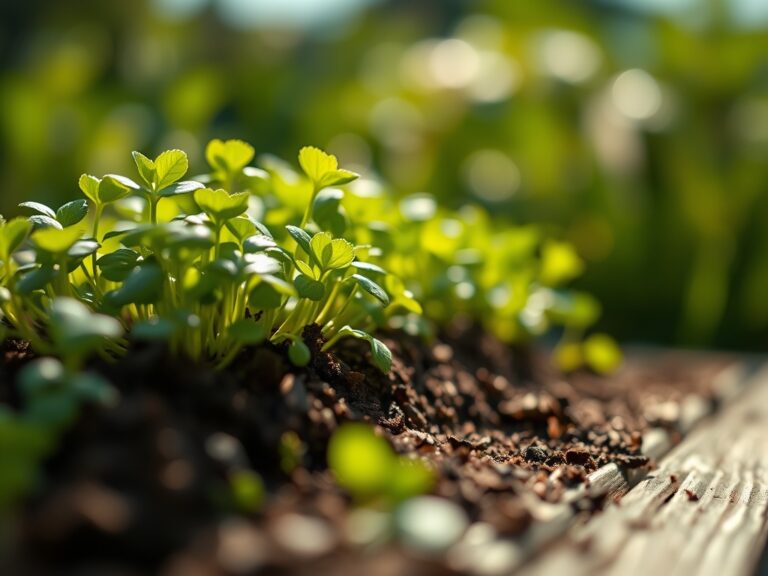
Direct sow seeds 0.25 inches deep in rows spaced 18 inches apart. Escarole seeds are small and require consistent contact with moist soil to trigger germination.
Pro-Tip: Maintain a constant soil temperature of 65 degrees Fahrenheit to ensure uniform germination. Biological Why: Consistent thermal energy ensures the rapid activation of enzymes within the seed coat; which prevents the seed from rotting in cold, anaerobic conditions before the radicle emerges.
Transplanting
If starting indoors, move seedlings when they have four true leaves. Use a hori-hori knife to create a deep enough hole to accommodate the entire root plug without "J-rooting."
Pro-Tip: Water the seedlings with a diluted seaweed extract 24 hours before moving. Biological Why: This reduces transplant shock by boosting the plant's internal cytokinin levels; which promotes rapid root elongation and stabilizes the rhizosphere during the transition.
Establishing
Once the plants reach 4 inches in height, thin them to a final spacing of 12 inches. This ensures adequate airflow and reduces competition for soil nutrients.
Pro-Tip: Apply a layer of straw mulch around the base of the plants. Biological Why: Mulching regulates soil temperature and prevents the "splash-back" of soil-borne pathogens onto the lower leaves; preserving the integrity of the leaf cuticle and preventing fungal colonization.
The Clinic:
Physiological disorders in escarole are often the result of environmental stress rather than pathogens.
Symptom: Tipburn (necrosis on the edges of inner leaves).
Solution: This is caused by a calcium deficiency in the leaf margins, often due to inconsistent watering. Ensure the soil moisture meter reads in the "Moist" range (level 5-7) consistently to facilitate calcium transport through the xylem.
Symptom: Premature Bolting (elongation of the central stalk).
Solution: This is a response to heat stress or increasing day length. Use 30 percent shade cloth when temperatures exceed 85 degrees Fahrenheit to lower the ambient temperature and trick the plant's internal clock.
Symptom: Nitrogen Chlorosis (yellowing of older, lower leaves).
Fix-It: Apply a side-dressing of blood meal or fish emulsion. This provides a quick boost of nitrogen to restore chlorophyll production and maintain high rates of photosynthesis.
Maintenance:
Precision is required for high-quality escarole. The plant requires 1.5 inches of water per week delivered at the drip line. Avoid overhead irrigation; as moisture trapped in the dense head can lead to bacterial soft rot. Use bypass pruners to remove any yellowing or damaged outer leaves that may touch the soil.
Three weeks before harvest, perform "blanching" to reduce the bitterness of the inner leaves. Gather the outer leaves and tie them loosely with twine or cover the plant with a heavy pot. This process restricts light, stopping the production of chlorophyll in the heart. Without light, the plant cannot synthesize the bitter compounds typical of the Cichorium genus, resulting in a pale, tender center.
The Yield:
Harvest the escarole when the head is firm and reaches a diameter of 12 to 15 inches. Use a sharp knife to cut the plant at the soil line, leaving the root system in the ground to decompose and add organic matter.
To maintain "day-one" freshness, immediately submerge the harvested heads in a cold water bath (40 degrees Fahrenheit). This process, known as hydro-cooling, removes field heat and stops the rate of respiration. Store the heads in a refrigerated environment at 32 to 34 degrees Fahrenheit with high humidity. Properly handled escarole will maintain its turgor and nutritional profile for up to 14 days.
FAQ:
Why is my escarole too bitter to eat?
Bitterness is caused by heat stress or lack of blanching. High temperatures increase the concentration of sesquiterpene lactones. To fix this, ensure the plant is blanched for 14 to 21 days before harvest to limit chlorophyll and bitter compound development.
Can escarole survive a hard frost?
Escarole is frost-tolerant and can survive temperatures down to 28 degrees Fahrenheit. A light frost actually improves the flavor by converting starches into sugars. However, a hard freeze below 25 degrees will damage the cell walls and cause rot.
How do I prevent bottom rot in escarole?
Bottom rot is caused by fungal pathogens in wet soil. Improve drainage by adding perlite or coarse sand to your loam. Ensure the plant is spaced 12 inches apart to allow for maximum airflow around the base of the crown.
What is the best fertilizer for escarole?
Use a fertilizer with a 5-10-10 NPK ratio. High phosphorus and potassium support strong root systems and cellular integrity. Avoid high-nitrogen fertilizers late in the season, as they produce soft growth that is highly susceptible to frost damage and pests.