5 Organic Tips How to Grow Spinach
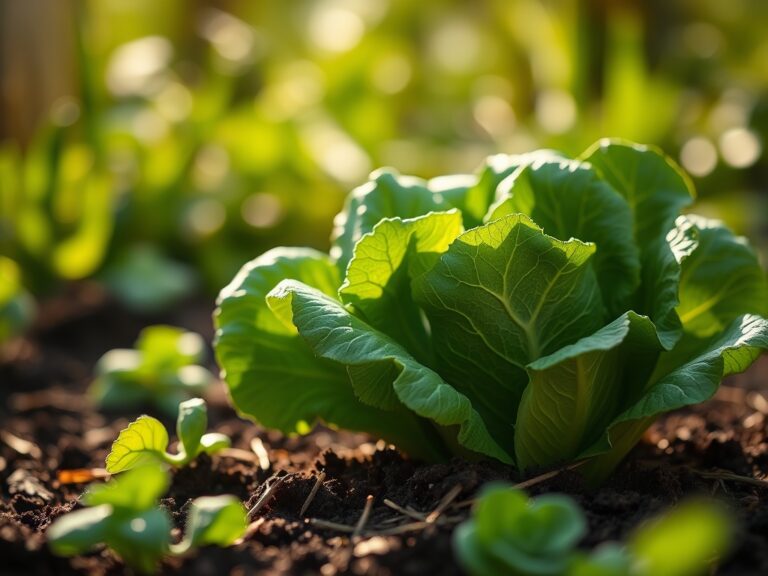
The smell of damp, cool earth in early spring signals the start of the cool-season cycle. When you snap a leaf from a healthy plant, the high turgor pressure should result in a crisp, audible crack. This rigidity indicates the plant is properly hydrated and nutrient-dense. To master how to grow organic spinach, you must prioritize soil temperature and nitrogen availability. This crop thrives when the rhizosphere remains between 45 and 65 degrees Fahrenheit.
Materials:

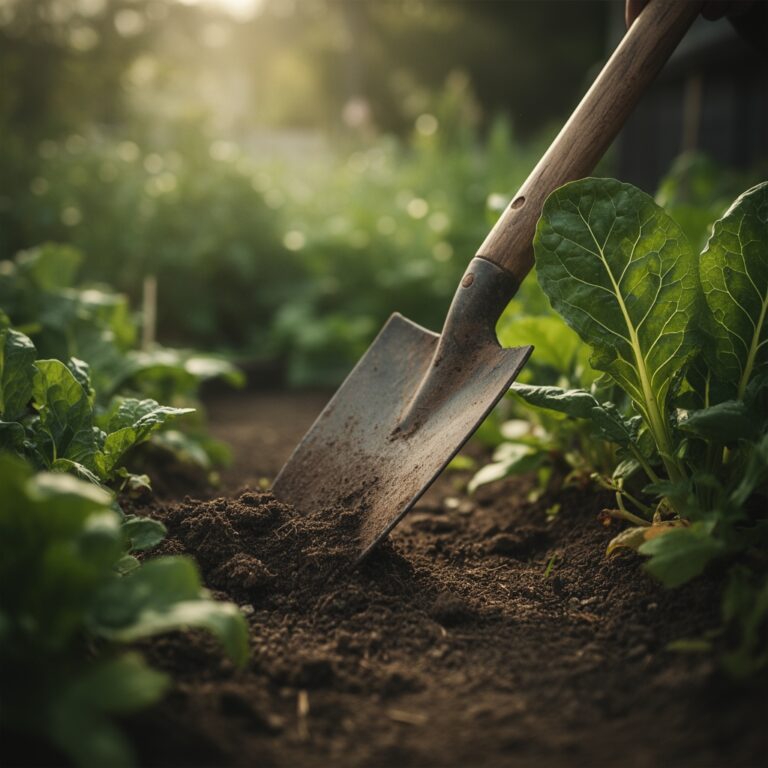
Success begins with a friable loam substrate that facilitates rapid root penetration. Spinach is highly sensitive to acidity; you must maintain a soil pH between 6.5 and 7.0. In soils with a pH below 6.0, the plant exhibits stunted growth and yellowed leaf margins due to decreased nutrient availability.
The Cation Exchange Capacity (CEC) of your soil determines how well it retains essential nutrients. To optimize this, incorporate well-composted organic matter to a depth of 8 inches. For organic fertilization, target an NPK ratio of 5-3-2. Use blood meal for a rapid nitrogen boost or feather meal for a slow-release nitrogen source. High nitrogen levels are critical because spinach is a heavy feeder that requires significant fuel to produce its leafy biomass before the photoperiod triggers reproductive growth.
Timing:
Spinach is a short-day plant. It is genetically programmed to bolt, or enter its reproductive stage, when daylight exceeds 14 hours or when temperatures consistently surpass 75 degrees Fahrenheit. In Hardiness Zones 3 through 6, sow seeds as soon as the soil can be worked in the spring. In Zones 7 through 10, spinach is primarily a fall and winter crop.
The biological clock of the plant is governed by hormonal shifts. As temperatures rise, the plant increases its production of gibberellins. This hormonal surge causes the central stem to elongate rapidly, a process known as bolting. Once this occurs, the leaves develop a bitter flavor as the plant redirects its sugars to seed production. To maximize your harvest window, plant in the "shoulder seasons" when the soil is cool but the risk of a hard freeze (below 20 degrees Fahrenheit) has passed.
Phases:

Sowing
Direct sow seeds 0.5 inches deep with a spacing of 2 inches between seeds. Rows should be set 12 to 18 inches apart. Spinach seeds have a lower germination rate in warm soil; if sowing in late summer for a fall crop, pre-chill the seeds in the refrigerator for 48 hours to break dormancy.
Pro-Tip: Ensure consistent moisture during the first 7 to 10 days. The biological why involves seed coat imbibition. The seed must absorb a specific volume of water to activate the enzymes that restart metabolic activity and trigger the emergence of the radicle.
Transplanting
While direct sowing is preferred, you can start seeds in soil blocks. Transplant when the seedlings have at least two true leaves. Be careful not to disturb the taproot, as spinach is prone to transplant shock which can trigger premature senescence.
Pro-Tip: Use a seaweed-based kelp meal during transplanting. The biological why involves auxin suppression. The natural hormones in kelp help the plant overcome the stress of relocation by promoting lateral root development rather than immediate vertical growth.
Establishing
Once the plants reach 3 inches in height, thin them to a final spacing of 4 to 6 inches. This ensures adequate airflow around the base of the plant, which reduces the risk of fungal pathogens like downy mildew.
Pro-Tip: Mulch the base of the plants with clean straw or shredded leaves. The biological why involves thermoregulation of the rhizosphere. Keeping the soil temperature 5 to 10 degrees cooler than the ambient air temperature prevents the plant from entering a stress-induced reproductive state.
The Clinic:
Monitoring the physiological health of your crop requires a keen eye for leaf coloration and texture.
Symptom: Yellowing of older, lower leaves (Chlorosis).
Solution: This is a classic sign of Nitrogen deficiency. Because nitrogen is a mobile nutrient, the plant pulls it from older growth to support new leaves.
Fix-It: Side-dress with a high-nitrogen organic liquid fertilizer, such as fish emulsion, at a rate of 1 tablespoon per gallon of water.
Symptom: Small, distorted leaves with a puckered appearance.
Solution: This often indicates Calcium deficiency or inconsistent moisture levels.
Fix-It: Check soil pH. If the pH is correct, ensure you are using a soil moisture meter to maintain consistent hydration. Calcium uptake is dependent on the transpiration stream.
Symptom: White, powdery spots on the undersides of leaves.
Solution: This is Downy Mildew, a common fungal pathogen in humid conditions.
Fix-It: Increase plant spacing to 6 inches and only water at the soil level to keep the foliage dry.
Maintenance:
Precision is required for irrigation. Spinach requires 1.5 inches of water per week, delivered directly to the drip line. Use a soil moisture meter to ensure the top 4 inches of soil remain moist but not waterlogged. Saturated soil leads to anaerobic conditions that can kill the delicate root hairs.
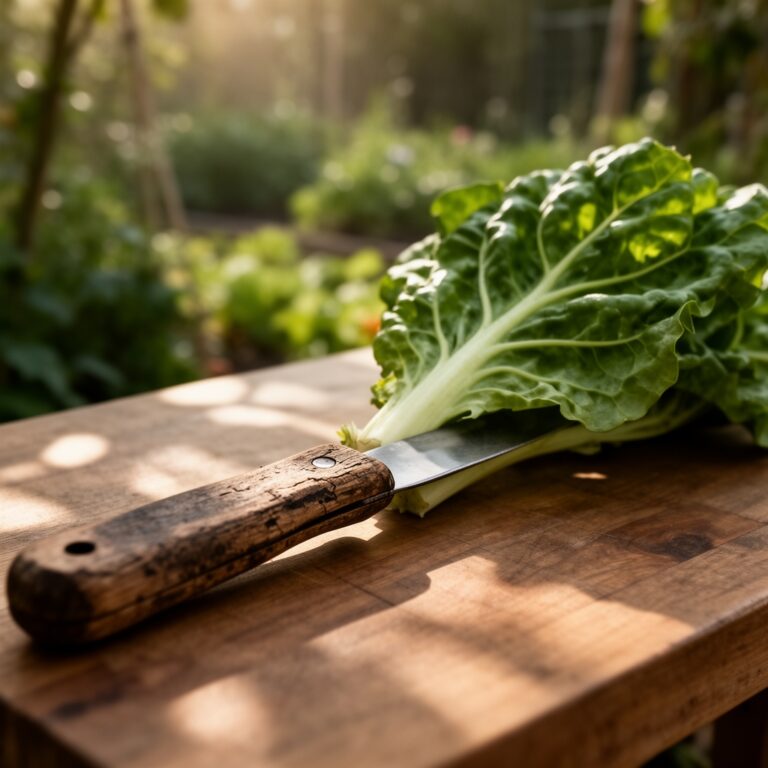
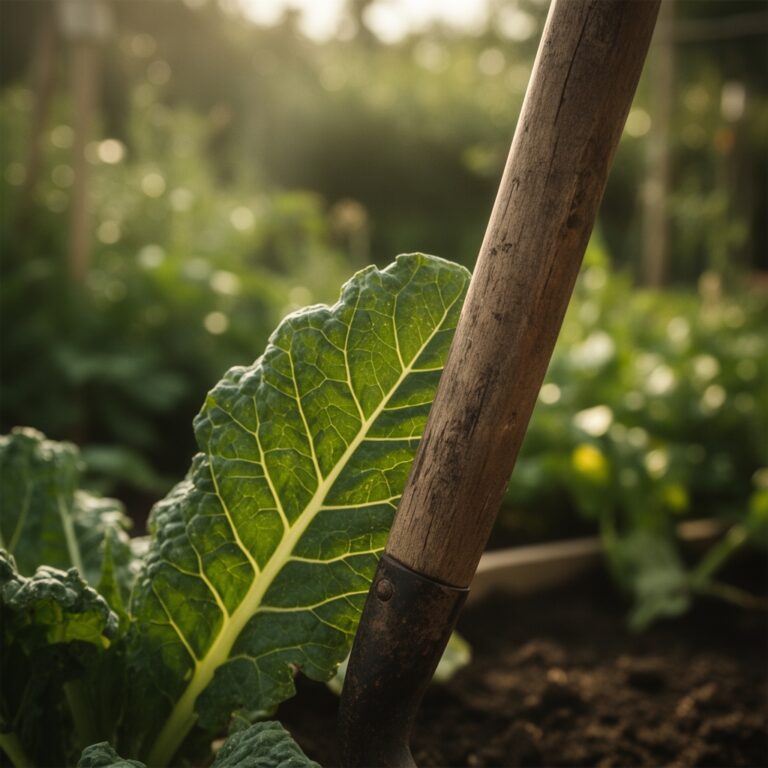
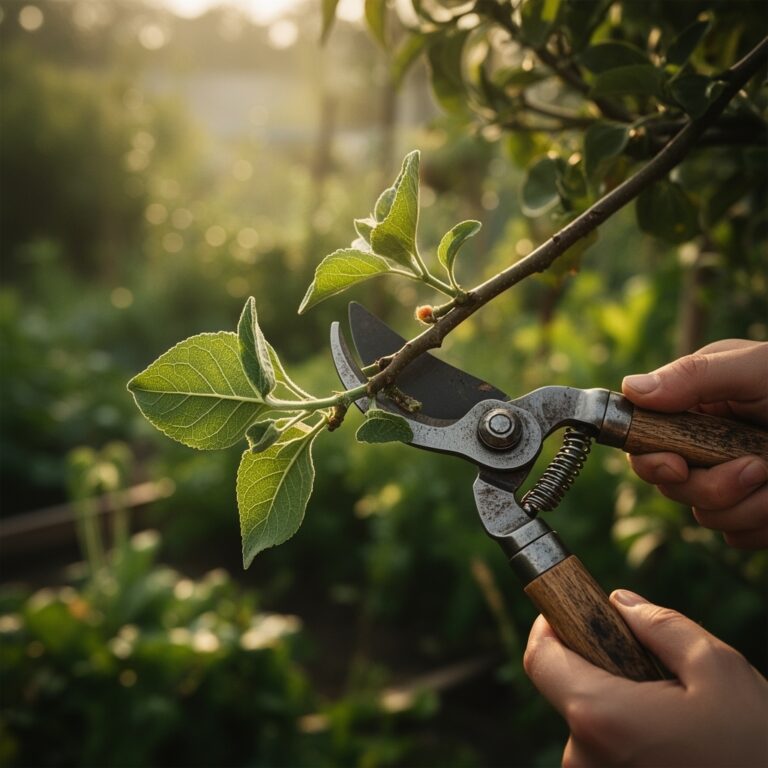
Weeding should be performed with a hori-hori knife. Insert the blade vertically to slice the roots of weeds without disrupting the shallow root system of the spinach. Avoid deep cultivation near the base of the plant. If you observe any yellowing or signs of pest activity, use bypass pruners to remove the affected foliage immediately to prevent the spread of pathogens.
The Yield:
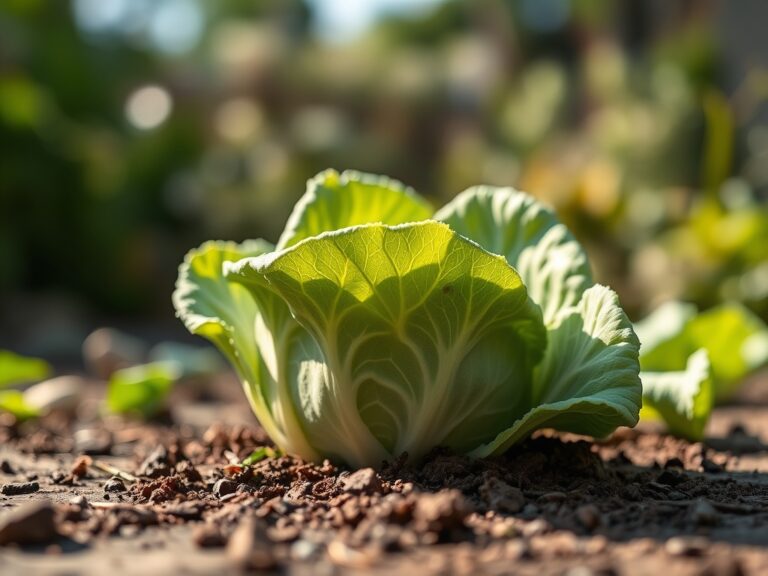
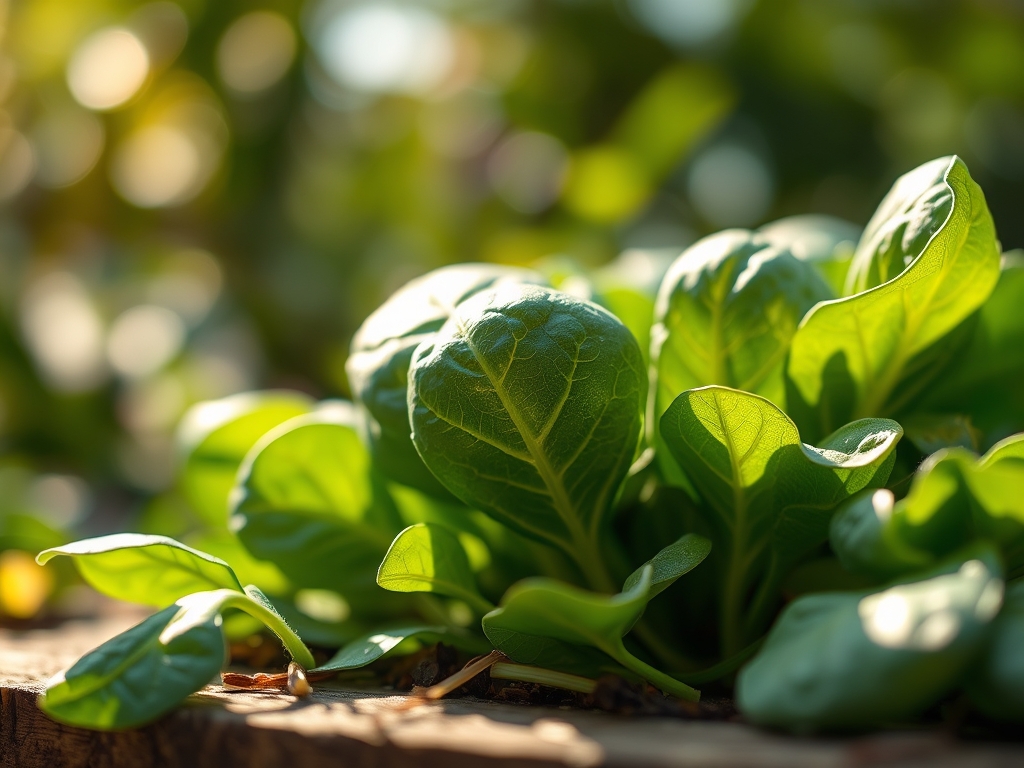
Harvesting can begin as soon as the leaves are large enough to eat, typically 40 to 50 days after sowing. For "baby spinach," harvest leaves when they reach 2 to 3 inches in length. For mature bunches, wait until the plant has a full rosette but before the central stalk begins to lift.
Use the "cut and come again" method by removing only the outer leaves with a sharp knife or pruners. Leave the inner heart intact to allow for continued growth. To maintain "day-one" freshness, harvest in the early morning when the plant is at maximum turgidity. Immediately submerge the leaves in an ice-water bath for 10 minutes to remove field heat. This process slows the metabolic rate of the harvested greens and extends their shelf life significantly. Dry the leaves thoroughly with a salad spinner before storing them at 34 degrees Fahrenheit.
FAQ:
Why is my spinach bolting so early?
Bolting is triggered by increasing day length and temperatures above 75 degrees Fahrenheit. The plant shifts from vegetative growth to seed production as a survival mechanism. To prevent this, plant earlier in the spring or use shade cloth.
What is the best organic fertilizer for spinach?
Use a high-nitrogen organic source like blood meal or fish emulsion. Spinach requires significant nitrogen to develop its leaf canopy. Aim for an NPK ratio where the first number is highest, such as 5-1-1 or 10-0-0.
How much sun does organic spinach need?
Spinach performs best in full sun (6+ hours) during cool weather. However, as the season warms, providing partial shade in the afternoon can help lower the soil temperature and delay the bolting process by several weeks.
Can I grow spinach in containers?
Yes, use a container at least 8 inches deep. Ensure the potting mix is rich in organic matter and has a pH of 6.5 to 7.0. Containers dry out faster, so monitor moisture levels daily with a meter.