6 Bamboo-Based Steps to Prepare a DIY Plant Stake
The smell of damp earth and the sharp, metallic scent of bruised chlorophyll signal a garden in its prime. When a heavy-fruiting tomato or a towering dahlia loses turgor pressure during a mid-afternoon heat spike, the vascular system struggles to maintain verticality. Without structural intervention, the plant collapses under its own biomass. Understanding how to prepare a DIY plant stake is a fundamental skill for managing the physical architecture of the rhizosphere and the canopy. Proper staking prevents stem breakage and ensures that the plant allocates energy toward reproductive growth rather than structural repair. By securing the primary stem, you optimize the exposure of leaf surfaces to solar radiation, maximizing the photosynthetic rate. This process requires more than a simple stick; it demands an understanding of mechanical leverage and botanical physiology.
Materials:
The ideal substrate for any staked plant is a **friable loam** with a **pH between 6.2 and 6.8**. This acidity level ensures that essential nutrients remain bioavailable through the Cation Exchange Capacity (CEC). For heavy feeders requiring support, the soil should reflect an NPK ratio of **5-10-10** for flowering plants or **10-10-10** for general vegetative support.
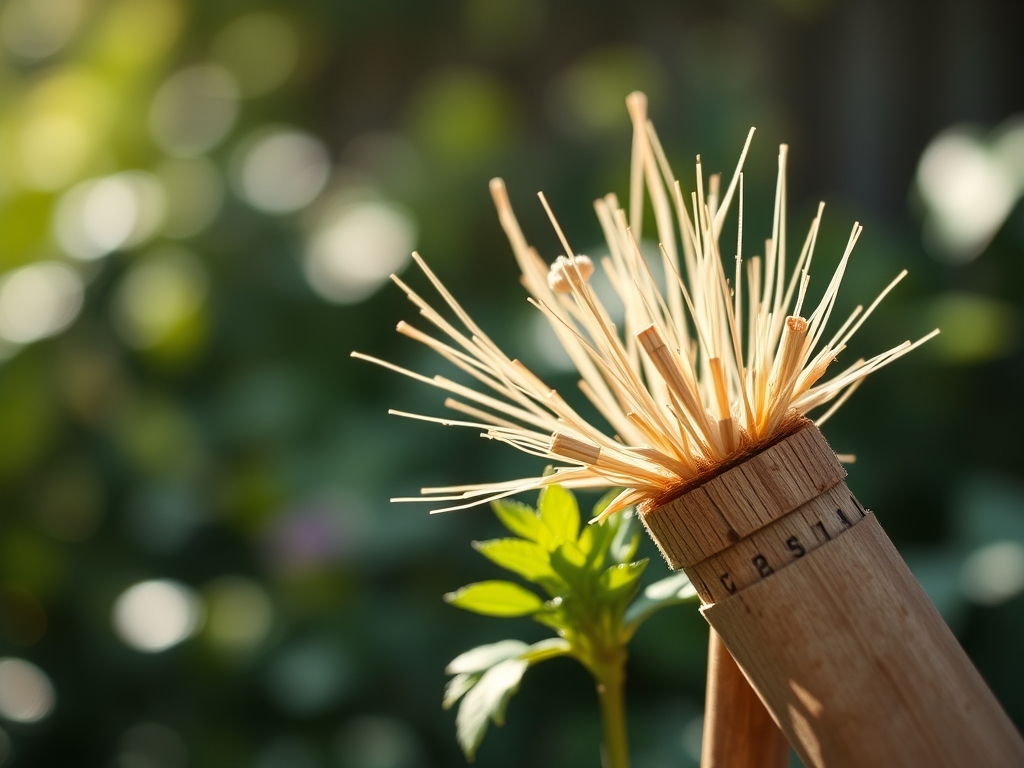
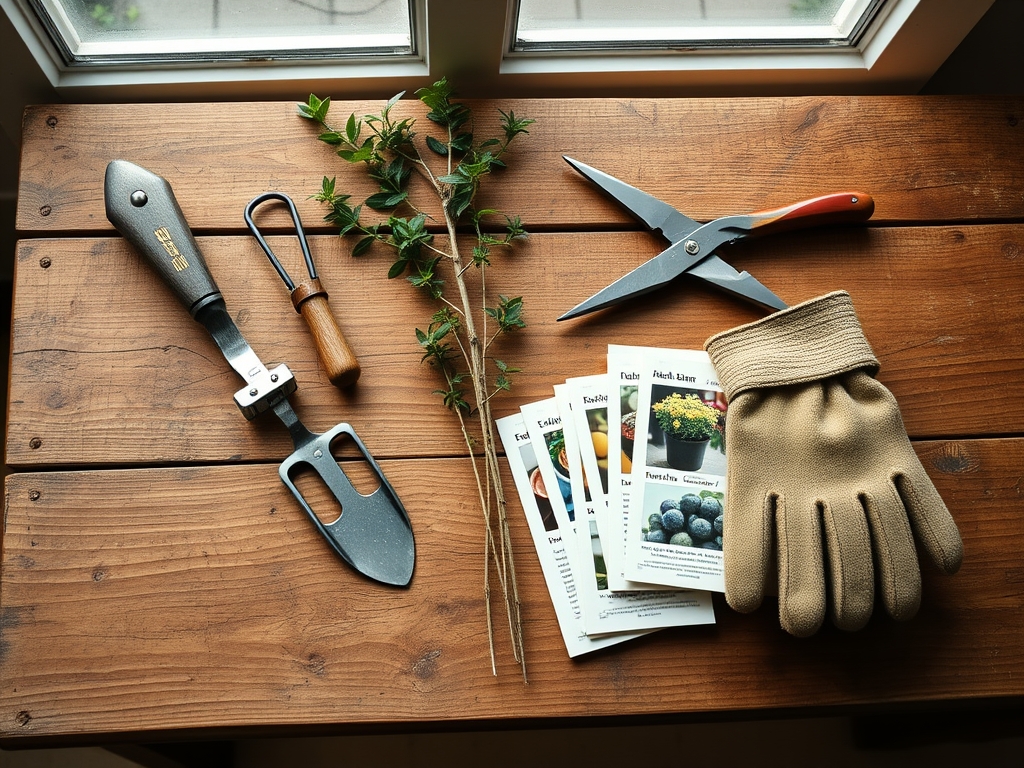
To build your stakes, gather cured bamboo culms at least 0.5 to 1 inch in diameter. You will also need soft jute twine or recycled cotton strips to prevent cambium abrasion. Avoid plastic coated wires that can girdle the plant. A 10 percent bleach solution is necessary to sterilize the bamboo before it enters the soil, preventing the introduction of fungal pathogens like Fusarium or Verticillium wilt.
Timing:
Timing is dictated by the USDA Hardiness Zone and the specific biological clock of your cultivar. In Zones 5 through 7, staking must occur before the "spring leap," typically between April 15 and May 15. You must install the stake when the plant is at approximately 25 percent of its mature height.
Wait until the soil temperature reaches a consistent 65 degrees Fahrenheit. If you drive a stake into cold, saturated soil, you risk compressing the pore space and inducing anaerobic conditions. The transition from the vegetative stage to the reproductive stage is the critical window. Once the plant begins diverting phosphorus toward bud development, its center of gravity shifts. Installing the support early prevents root disturbance that occurs if you attempt to stake a fully mature root system.
Phases:
Sowing and Selection
Select bamboo poles that are 24 inches taller than the projected maximum height of the plant. This extra length allows for 12 to 18 inches of depth in the soil for maximum leverage. Inspect the culms for cracks; a compromised stake will fail under the weight of wet foliage after a rain event.
Pro-Tip: Always sharpen the insertion end of the bamboo to a point. This minimizes the "footprint" of the stake as it enters the soil, reducing the physical severance of lateral roots.
Transplanting and Placement
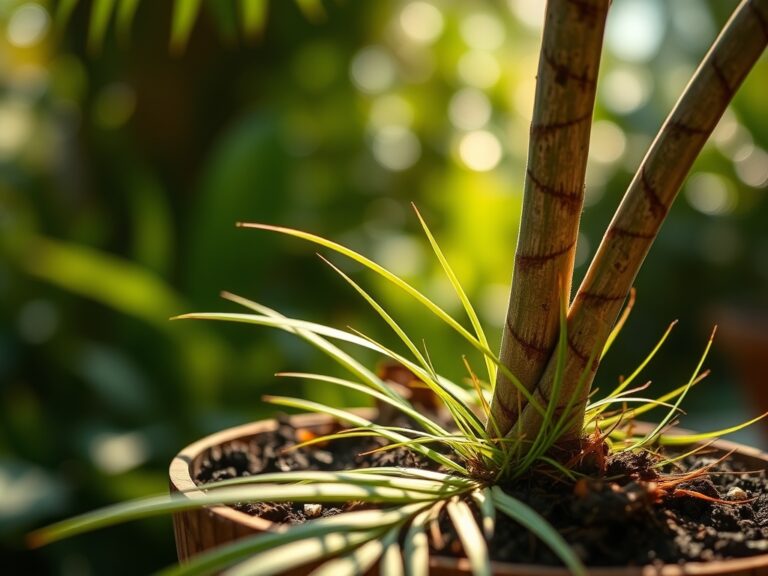
Position the stake 3 to 5 inches from the base of the plant. Ensure it is located on the windward side of the prevailing breeze. This positioning allows the wind to push the plant toward the support rather than away from it. Use a rubber mallet to drive the stake into the ground until it is immovable.
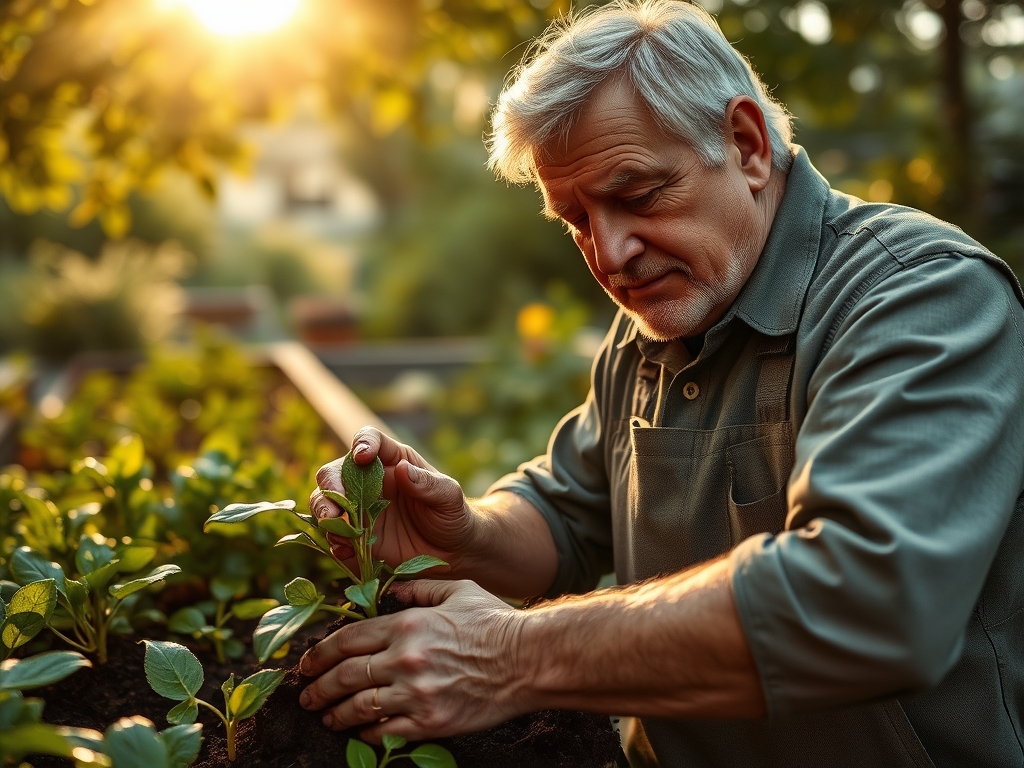
Pro-Tip: Placing the stake during the transplanting phase avoids damaging the established mycorrhizal symbiosis. By inserting the stake early, the fungal networks can grow around the obstruction rather than being sheared by late-season installation.
Establishing the Tie
Secure the plant using a Figure-8 knot. This specific tie provides a cushion between the bamboo and the stem, allowing for secondary thickening of the xylem and phloem. The loop around the plant must be loose enough to fit two fingers, while the knot around the stake must be tight to prevent sliding.
Pro-Tip: This method prevents auxin suppression. If a stem is tied too tightly, the flow of auxins (growth hormones) is restricted, leading to stunted development and weak distal growth.
The Clinic:
Physiological disorders often manifest when staking is performed incorrectly or when the environment shifts.
- Stem Girdling: Observed as a swelling above the tie point followed by chlorosis. Solution: Immediately loosen the twine and reposition it 3 inches higher on a fresh internode.
- Nitrogen Chlorosis: Lower leaves turn pale yellow while veins remain green. Fix-It: Apply a side-dressing of blood meal or a high-nitrogen liquid fertilizer at a rate of 1 pound per 100 square feet.
- Adventitious Rooting: Roots appearing on the stem where it touches the stake. Solution: Increase airflow by thinning the canopy and ensure the stake is sterilized with 70 percent isopropyl alcohol.
- Mechanical Lesions: Dark, calloused scars on the epidermis. Solution: Wrap the bamboo stake in burlap at the contact point to reduce friction.
Maintenance:
Effective maintenance requires consistent monitoring of soil moisture and structural integrity. Use a soil moisture meter to ensure the root zone receives exactly 1.5 inches of water per week at the drip line. Avoid wetting the bamboo stake directly to prevent premature decomposition.
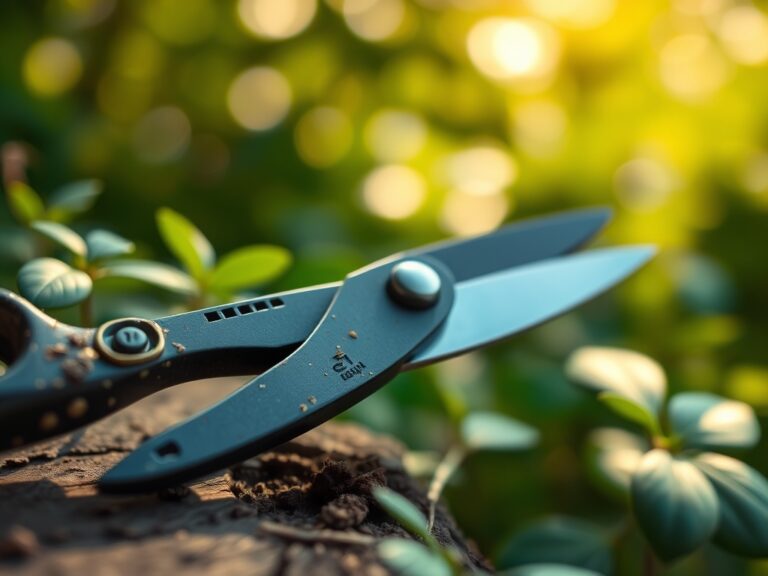
Every two weeks, use bypass pruners to remove axillary buds (suckers) that increase the wind resistance of the plant. Inspect the ties for tension. As the plant increases in girth, the original ties will become restrictive. Use a hori-hori knife to clear any weeds competing for nutrients at the base of the stake. If the bamboo begins to lean, do not push it back; instead, drive a second "sister stake" at a 45-degree angle to brace the primary support.
The Yield:
For fruiting plants, harvesting should occur when the fruit reaches "breaker stage" or full color saturation. Use sharp snips to cut the pedicel; never pull the fruit, as the tension can dislodge the stake or snap the main leader. Post-harvest, remove the ties and the stake immediately. Clean the bamboo with a stiff brush and store it in a dry, dark environment to prevent ultraviolet degradation. This preservation ensures the material remains structurally sound for the next growing season.
FAQ:
How deep should I drive the bamboo stake?
Drive the stake at least 12 to 18 inches into the substrate. This depth ensures the stake reaches the subsoil layers, providing the mechanical resistance necessary to support a mature plant canopy during high-wind events or heavy fruit sets.
Can I reuse bamboo stakes every year?
Yes, provided you disinfect them. Soak stakes in a 1:10 bleach-to-water solution for 20 minutes to kill pathogens. Inspect for structural integrity; discard any culms with vertical fissures or soft spots indicating fungal decay at the soil line.
What is the best material for tying plants to stakes?
Use natural jute twine or soft cotton. These materials provide sufficient friction to hold the knot while remaining soft enough to prevent abrasion of the plant's epidermis. Avoid wire or thin nylon, which can cut into the vascular tissue.
When is the best time to install the stake?
Install the stake at the time of transplanting or when the plant is under 12 inches tall. Early installation prevents damage to the expanding root system and ensures the plant grows with the support as a guide for its primary leader.