6 Climate Control Steps to Prepare a Tropical Garden
The wet heat of the tropics demands soil that breathes, drains fast, and holds enough nitrogen to fuel constant leaf production. Learning how to prepare a garden for a tropical vegetable garden means engineering a substrate that mimics the forest floor: loose, rich in organic matter, and alive with microbial activity. The temperature, humidity, and intense rainfall in these zones create unique challenges that temperate techniques cannot solve.
Materials
Start with a soil test targeting pH between 5.5 and 6.8. Most tropical vegetables, including okra, amaranth, and winged beans, thrive in slightly acidic conditions that maximize phosphorus availability. Amend with sulfur at 1 pound per 100 square feet to lower pH by approximately 0.5 units, or apply dolomitic lime at 5 pounds per 100 square feet to raise it by the same margin.
Base fertility around a 4-4-4 organic meal blend: composted poultry manure, bone meal, and kelp. This ratio supports vegetative growth without excessive nitrogen that invites fungal pathogens in humid air. Add 2 cubic feet of aged compost per 25 square feet to increase cation exchange capacity, the soil's ability to hold and release nutrients. Incorporate biochar at 10 percent by volume to improve drainage and provide habitat for beneficial bacteria.
For micronutrient insurance, apply greensand at 5 pounds per 100 square feet for potassium and trace minerals. Azomite or rock phosphate at 2 pounds per 100 square feet ensures steady micronutrient release over the growing season. Mycorrhizal fungi inoculant, applied at transplant, colonizes root surfaces and extends the effective root zone by up to 1,000 times.
Timing
Hardiness Zones 10 through 13 offer year-round growing windows, but soil preparation must align with the dry season. Begin amendments 8 to 12 weeks before the first expected planting date. In Zone 10, this means starting in late December for a March planting. Zones 11 and 12 allow continuous cultivation, but the cooler months of November through February produce the best germination rates and transplant establishment.
Frost dates become irrelevant in true tropical climates, but seasonal rainfall patterns dictate success. Prepare beds during the dry season to allow organic matter to decompose without anaerobic conditions. Excessive rain during bed preparation leads to compaction and destroys soil structure. Aim for soil moisture at 50 to 60 percent of field capacity during tillage.
Phases
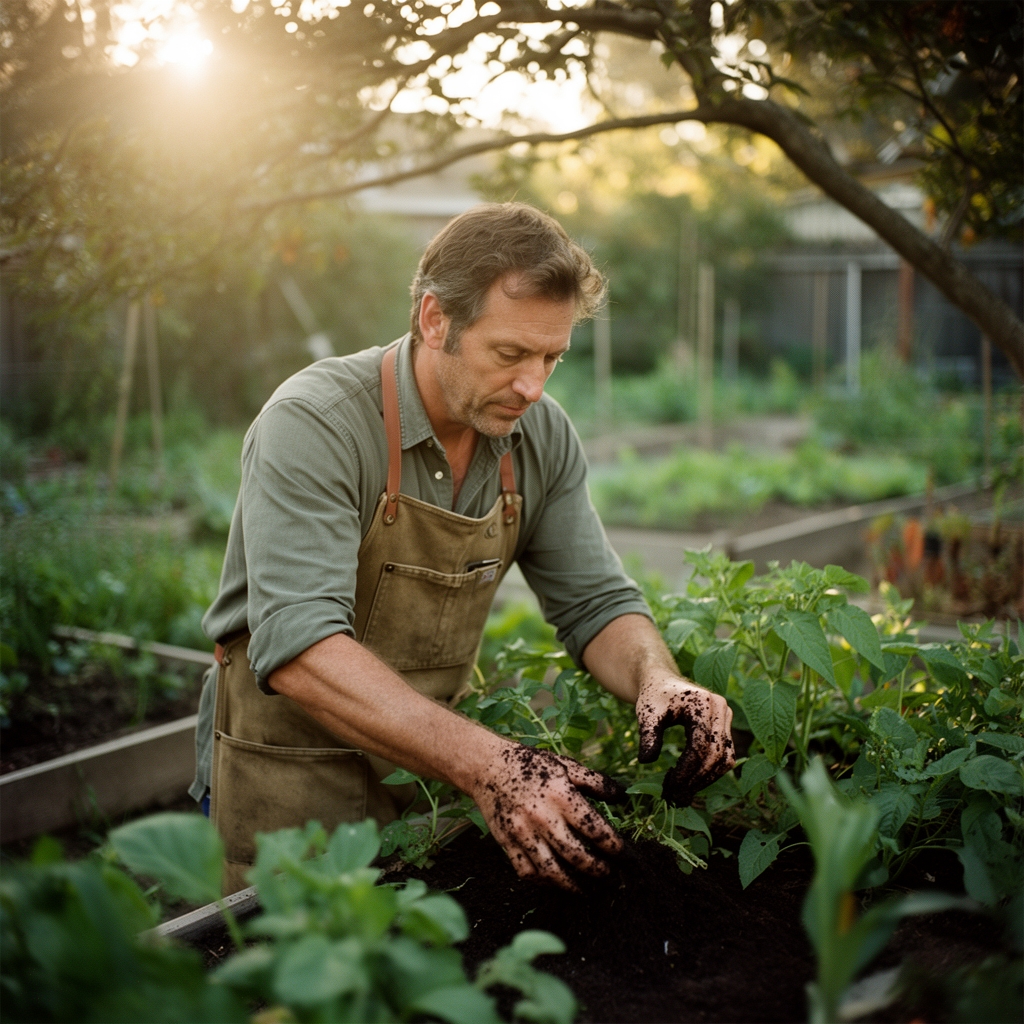
Sowing: Direct seed heat-loving crops like yardlong beans, Malabar spinach, and tropical basil when soil temperature reaches 70°F at a 4-inch depth. Plant seeds at twice their diameter in depth. Space rows 24 inches apart to ensure air circulation and reduce foliar disease pressure. Water immediately with 0.5 inches to establish seed-to-soil contact.
Pro-Tip: Coat large seeds like okra in a slurry of mycorrhizal inoculant and water before sowing. This ensures immediate fungal colonization and accelerates root development by up to 40 percent.
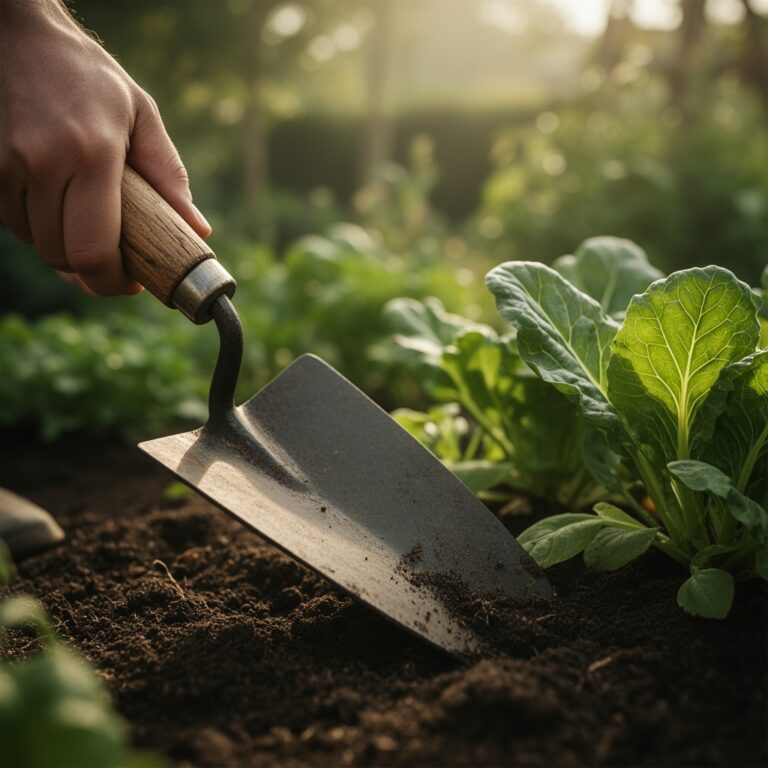
Transplanting: Move seedlings started indoors or in shade structures when they reach the four-true-leaf stage. Dig holes 1.5 times the root ball width. Amend each hole with 0.25 cups of worm castings to introduce auxin-producing microbes that stimulate lateral root formation. Plant at the same depth as the container, except for tomatoes, which benefit from burial up to the first true leaves.
Pro-Tip: Prune the lowest set of leaves at a 45-degree angle immediately after transplanting. This reduces transpiration stress and redirects auxin distribution toward root growth rather than shoot elongation.
Establishing: Apply a 3-inch mulch layer of shredded leaves or straw 2 weeks after transplant. Mulch moderates soil temperature, suppresses weeds, and prevents soil-borne pathogens from splashing onto lower leaves during heavy rains. Avoid contact between mulch and plant stems to prevent collar rot.
Pro-Tip: Install drip irrigation before mulching. Hand watering in humid climates promotes fungal spores and uneven moisture distribution.
Troubleshooting
Symptom: Yellowing lower leaves with green veins. Solution: Iron deficiency caused by high pH or poor drainage. Apply chelated iron at 1 tablespoon per gallon of water as a foliar spray. Reassess soil pH and improve drainage with additional compost.
Symptom: Blossom end rot on fruiting vegetables. Solution: Calcium deficiency linked to inconsistent watering. Maintain soil moisture at 1 inch per week. Side-dress with gypsum at 2 pounds per 100 square feet.
Symptom: Wilting despite moist soil. Solution: Root-knot nematodes. Solarize soil by covering with clear plastic for 6 weeks during peak heat. Rotate with marigolds, which release alpha-terthienyl, a nematode suppressant.
Symptom: Leaf miners creating serpentine trails. Solution: Apply spinosad spray at 2 tablespoons per gallon at first sign. Remove and destroy affected leaves to break the reproductive cycle.
Symptom: Stunted growth and purple-tinged leaves. Solution: Phosphorus lockout from cold soil or pH imbalance. Apply fish emulsion at 1 tablespoon per gallon weekly until growth resumes.
Maintenance
Water deeply once per week during dry periods, delivering 1 inch measured with a rain gauge. Tropical soils drain rapidly, so frequent shallow watering encourages shallow roots vulnerable to stress. Side-dress with compost tea every 3 weeks at 1 gallon per 10 square feet to maintain microbial populations.
Scout for pests twice weekly in early morning when insects are sluggish. Remove by hand or apply neem oil at 2 tablespoons per gallon at first detection. Prune damaged or diseased foliage immediately, sterilizing tools with 10 percent bleach solution between cuts.
FAQ
How deep should I till? Work amendments into the top 12 inches. Deeper tillage disrupts soil layers and buries organic matter beyond microbial reach.
Can I use synthetic fertilizers? Yes, but apply at half the recommended rate. Tropical heat accelerates nutrient release, risking root burn and leaching.
What is the best mulch? Shredded hardwood leaves decompose slowly and resist compaction in heavy rain. Avoid fresh wood chips, which tie up nitrogen.
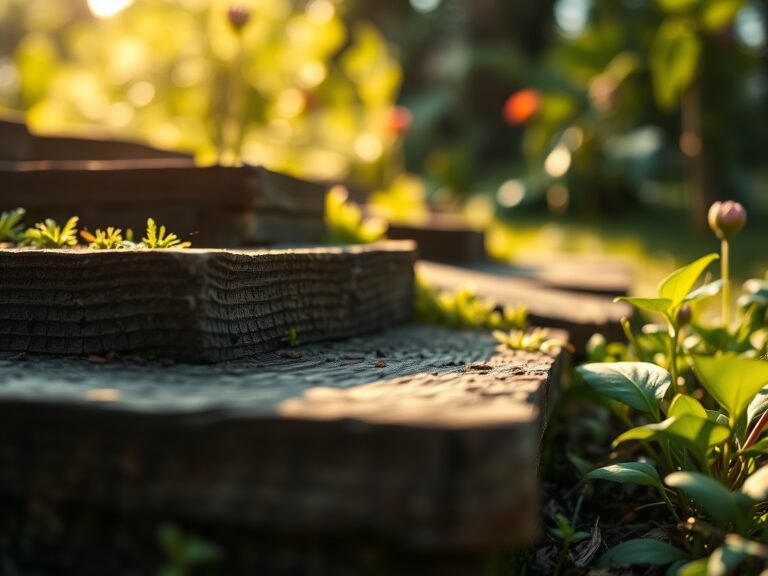
How do I manage heavy rainfall? Build raised beds 8 to 12 inches high. Install French drains along bed perimeters to channel excess water away from root zones.
When should I rotate crops? Every 90 days. Follow heavy feeders like tomatoes with nitrogen-fixing legumes to restore soil fertility naturally.