6 Eradication Steps for Treating Miniature Rose Aphids
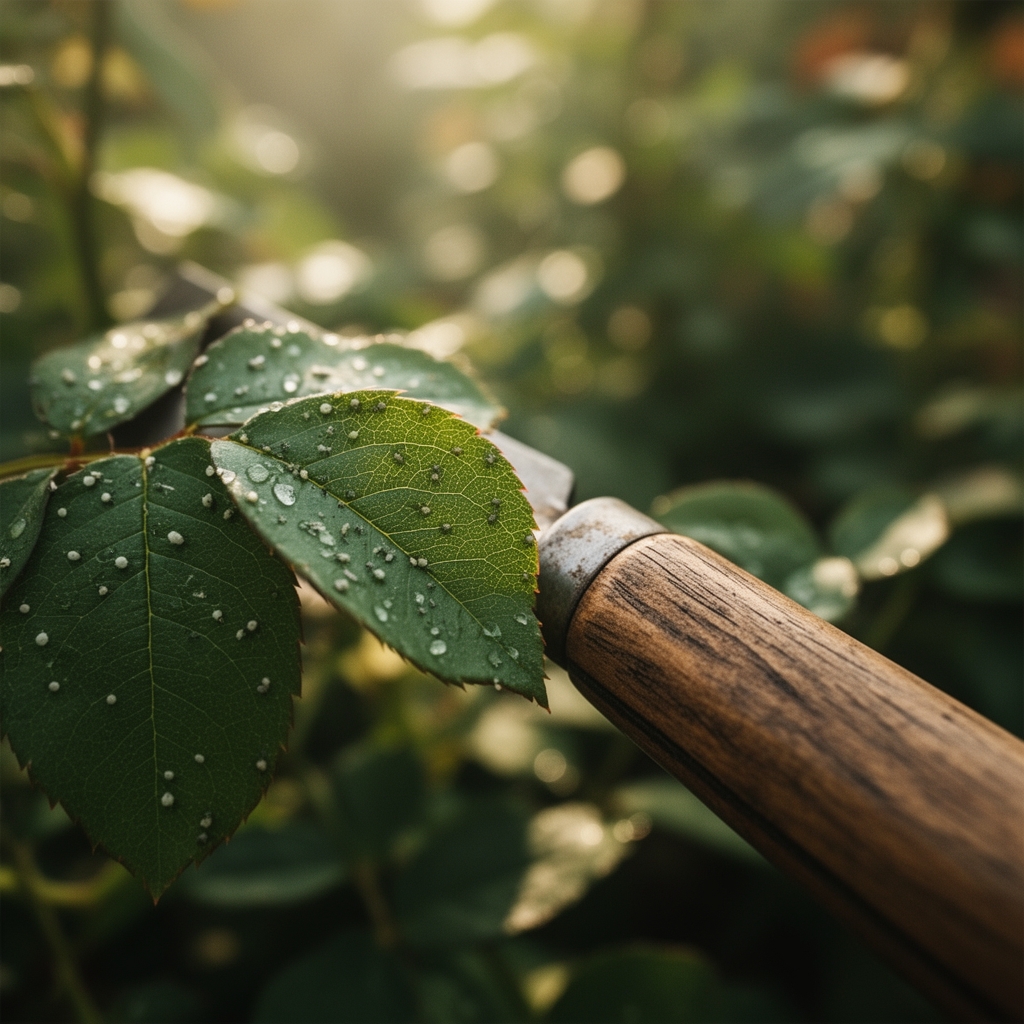
Miniature rose aphids cluster on tender shoot tips like jeweled beads, their translucent bodies swelling with phloem sap as they puncture stem tissue with needle-like stylets. Indoor gardeners discover these pests when leaves curl downward and sticky honeydew coats furniture beneath display shelves. The infestation spreads rapidly in controlled environments where natural predators cannot establish populations. Effective steps for treating aphids on indoor roses require systematic intervention that addresses both existing colonies and reinfestation vectors. A six-phase protocol eliminates aphids while preserving plant vigor and bloom production in enclosed growing spaces.
Materials
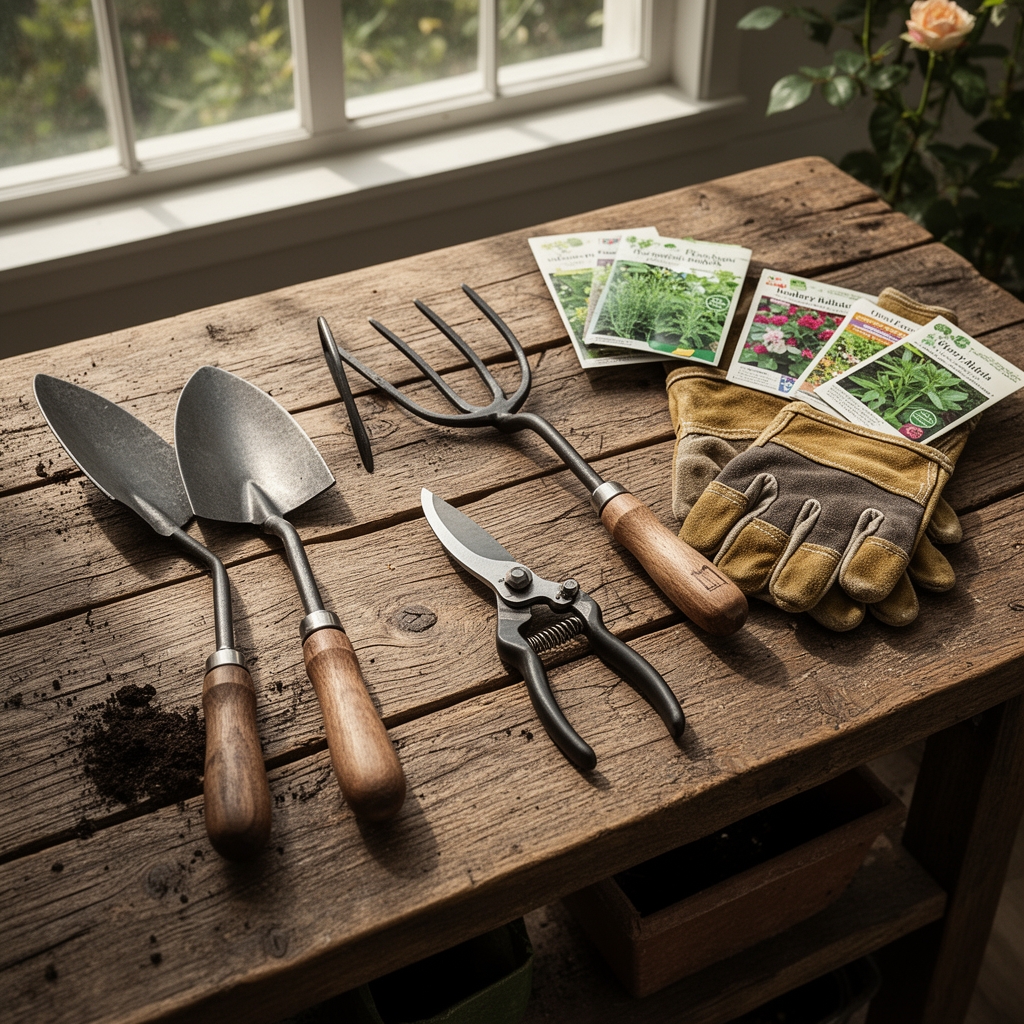
Assemble treatment materials before beginning eradication procedures. Potassium-based insecticidal soap (0-0-1 NPK equivalent) serves as the primary contact spray, disrupting aphid cell membranes without systemic plant uptake. Neem oil emulsion containing azadirachtin at 0.9% concentration provides both contact kill and anti-feedant properties. Isopropyl alcohol at 70% concentration works for spot treatments on isolated colonies. Yellow sticky traps (3×5 inch cards) monitor winged aphid migration between plants. Soft-bristle brushes or cotton swabs enable mechanical removal from delicate petals. A 32-ounce spray bottle with adjustable nozzle ensures even coverage of leaf undersides where aphids aggregate. Horticultural-grade diatomaceous earth addresses crawling stages on soil surfaces. Distilled water (pH 6.0-6.5) prevents municipal water chlorine from reducing biological control efficacy. Predatory insects including Aphidius colemani wasps arrive as mummified aphids ready to hatch if biological intervention becomes necessary.
Timing
Indoor roses lack seasonal dormancy cues, making aphid treatment timing dependent on detection rather than calendar dates. Initiate eradication within 24 hours of identifying the first aphid cluster. Colonies double every 48-72 hours under typical indoor conditions of 68-72°F. Morning application allows foliage to dry before nightfall, reducing secondary fungal infections in humid indoor environments. Repeat treatments occur at seven-day intervals to catch nymphs hatching from eggs that survived initial contact sprays. The treatment cycle extends through four consecutive weeks to break reproductive continuity. Aphids reproduce parthenogenetically indoors, eliminating the need for mating and accelerating population growth. Hardiness zones become irrelevant in controlled environments, but growers should note that outdoor companion roses in Zones 6-9 may reintroduce pests during summer months when windows open for ventilation.
Phases
Phase 1: Initial Knockdown
Isolate infested plants immediately to prevent crawling aphids from bridging leaf contact between pots. Mix insecticidal soap at 2 tablespoons per quart of distilled water. Spray all plant surfaces until runoff occurs, ensuring complete coverage of stem nodes where aphids hide. Pay particular attention to flower buds where feeding damage prevents petal expansion. The soap solution must contact aphid bodies directly; it provides no residual protection.
Pro-Tip: Add three drops of non-detergent liquid soap to improve spray adhesion on waxy rose foliage, increasing contact time from 15 seconds to 90 seconds.
Phase 2: Mechanical Removal
Wait four hours after soap application for aphid paralysis to complete. Use soft brushes to dislodge dead and dying aphids from crevices between developing leaves. Dip brushes in 70% isopropyl alcohol between strokes to prevent transferring live individuals. Remove heavily infested shoot tips with pruning shears sterilized in 10% bleach solution, cutting at 45-degree angles just above outward-facing leaf axils. This pruning redirects auxin distribution to lateral buds while eliminating concentrated pest populations.
Pro-Tip: Submerge pruned material in sealed plastic bags before disposal to prevent aphid escape during transport to outdoor waste bins.
Phase 3: Neem Application
Apply neem oil emulsion 48 hours after soap treatment to allow recovery of leaf stomata. Mix neem at four teaspoons per quart, adding one-quarter teaspoon emulsifier to prevent oil separation. Spray during low-light periods to avoid phytotoxic reactions from light-activated compounds. Neem's azadirachtin interferes with aphid molting hormones, preventing nymphs from reaching reproductive maturity. The treatment also deters winged morphs from selecting treated plants for new colonies.

Pro-Tip: Test neem tolerance on one leaf 24 hours before full application, as some miniature rose cultivars exhibit bronzing on foliage under petroleum-distillate formulations.
Phase 4: Environmental Modification
Reduce nitrogen fertility temporarily to decrease succulent growth that attracts aphids. Shift from high-nitrogen fertilizers (10-5-5) to balanced formulations (5-5-5) or phosphorus-dominant blends (4-8-4) that promote root development over tender shoots. Lower ambient humidity from 60% to 45% using dehumidifiers, as aphids prefer moisture levels above 50% relative humidity. Increase air circulation with oscillating fans set to lowest speed, disrupting aphid settlement on leaf undersides without causing desiccation stress to roses.
Pro-Tip: Position fans to create horizontal airflow 12 inches above pot rims, matching the height where most miniature rose foliage concentrates.
Phase 5: Monitoring Protocol
Install yellow sticky traps six inches above plant canopies to capture winged aphids before they establish new colonies. Inspect plants every 48 hours with 10x magnification hand lenses, examining the underside of the youngest three leaves on each stem. Document aphid counts in a monitoring log to track treatment efficacy. A population decline of 90% or greater indicates successful control, while stagnant numbers suggest resistance or reintroduction from undetected sources.
Pro-Tip: Photograph infested areas with a macro lens at treatment start, then compare weekly images to visualize population collapse and maintain treatment motivation.
Phase 6: Biological Establishment
Introduce Aphidius colemani parasitic wasps once aphid populations drop below five individuals per plant. These tiny wasps (2mm length) lay eggs inside aphids, creating tan-colored mummies as larvae develop. Release rates of two wasps per square foot of growing area provide long-term suppression. Maintain temperatures between 65-75°F for optimal wasp activity. Discontinue soap and neem sprays 72 hours before wasp release, as residues reduce parasitoid survival. The wasps establish breeding populations if at least minimal aphid presence continues, creating a self-sustaining biological control system.
Pro-Tip: Order mycorrhizal fungi inoculant (species Glomus intraradices) at 500 propagules per gram during this phase, as improved phosphorus uptake through fungal associations strengthens plant defenses against future infestations.
Troubleshooting
Symptom: Leaf curling persists after aphid removal.
Solution: Affected leaves remain deformed due to injected saliva toxins that disrupted cell division. Prune distorted foliage to redirect photosynthate to healthy tissue. New growth emerges normally within 10-14 days.
Symptom: Black sooty mold covers leaves.
Solution: This fungus grows on aphid honeydew, not plant tissue. Wipe leaves with damp cloths after aphid elimination. The mold dies without its food source. Improve air circulation to prevent humidity-loving saprophytic fungi.
Symptom: White aphid "skins" accumulate on leaves.
Solution: These exoskeletons result from nymphal molting stages. Their presence confirms active reproduction despite treatment. Intensify spray coverage on leaf undersides where molting occurs. Consider shorter intervals between applications.
Symptom: Ants appear on rose stems.
Solution: Ants farm aphids for honeydew, protecting colonies from predators. Apply sticky barriers around pot rims to block ant access. Eliminate aphids to remove the ants' food incentive. Check nearby houseplants for ant nests in potting media.
Symptom: New aphid colonies appear within days of treatment.
Solution: Winged morphs are immigrating from other indoor plants or outdoor sources near open windows. Inspect all household plants within 15 feet. Install fine-mesh screening on windows during warm months. Yellow sticky traps intercept flying colonizers.
Maintenance
Water miniature roses when the top one inch of potting mix dries completely, typically every 3-4 days in standard indoor conditions. Apply one-quarter teaspoon of balanced fertilizer (5-5-5) per quart of water every 14 days during active growth, reducing to monthly applications during winter dormancy if artificial lighting hours decrease. Maintain potting media pH between 6.0-6.5 by testing monthly with electronic meters or pH strips. Amend acidic mixes (below 5.8) with dolomitic limestone at one teaspoon per six-inch pot. Prune spent blooms at the first five-leaflet node to maintain compact form and stimulate lateral branching. Repot annually in late winter using media with high cation exchange capacity, such as aged pine bark (60%), peat moss (30%), and perlite (10%). This combination provides adequate aeration while retaining nutrients in the root zone. Rotate pots one-quarter turn weekly to ensure even light distribution and prevent phototropic lean. Monitor for early aphid detection by running fingers along stem undersides during watering routines, feeling for sticky honeydew deposits.
FAQ
How quickly do aphid populations grow on indoor roses?
A single aphid produces 5-10 live nymphs daily through parthenogenesis. These offspring reach reproductive maturity in seven days, creating exponential growth. A founding population of ten aphids can exceed 1,000 individuals within three weeks under stable indoor temperatures.
Can I use dish soap instead of insecticidal soap?
Commercial dish soaps contain degreasers and fragrances that damage leaf cuticles and disrupt stomatal function. Insecticidal soaps use specific potassium fatty acids (C12-C18 chains) that selectively target soft-bodied insects while remaining safe for plant tissues. The concentration and pH buffering differ substantially.
Will aphids return after successful eradication?
Indoor environments require continuous vigilance since winged aphids enter through ventilation systems, on cut flowers, or via new plant acquisitions. Quarantine new plants for 14 days in separate rooms. Inspect incoming roses under magnification before introducing them to collections.
Do ladybugs work for indoor aphid control?
Adult ladybugs (Hippodamia convergens) fly toward light sources and accumulate on windows rather than patrolling plants. They require large aphid populations and outdoor conditions to remain active. Larval stages feed more consistently but struggle in low-humidity indoor environments. Parasitic wasps provide superior results in enclosed spaces.
Should I discard heavily infested roses?
Destruction becomes necessary only when aphid feeding causes permanent stem damage or introduces viral pathogens like rose mosaic virus. Most miniature roses recover fully after aggressive pruning removes 30-40% of infested growth. The root system remains unaffected and regenerates canopy structure within six weeks under proper fertility management.