6 Quick Steps to Plant Bok Choy
Crushing a handful of cool, damp silt between your palms reveals the structural integrity of your growing medium. Successful brassica cultivation begins with this tactile assessment of soil tilth and moisture retention. To master the steps to plant bok choy, you must prioritize cellular turgor; the internal water pressure that keeps these cruciferous leaves crisp and upright. This cool-season biennial requires precise environmental calibration to prevent premature bolting and ensure a dense, succulent base.
Achieving a professional-grade harvest demands more than casual sowing. You are managing a biological system that reacts violently to heat stress and nutrient fluctuations. By following a rigorous horticultural protocol, you can transition from seed to a high-yielding harvest in as little as forty-five days. This process involves optimizing the rhizosphere for rapid nutrient uptake and maintaining a consistent photoperiod to delay the onset of reproductive senescence. The goal is a heavy, compact rosette with deep green foliage and thick, alabaster petioles.
Materials
The foundation of your bok choy crop is a friable loam with high organic matter content. This substrate must facilitate rapid drainage while maintaining sufficient moisture for the plant's shallow root system. Aim for a soil pH between 6.0 and 7.5. If your soil is overly acidic, the availability of essential macronutrients decreases significantly.
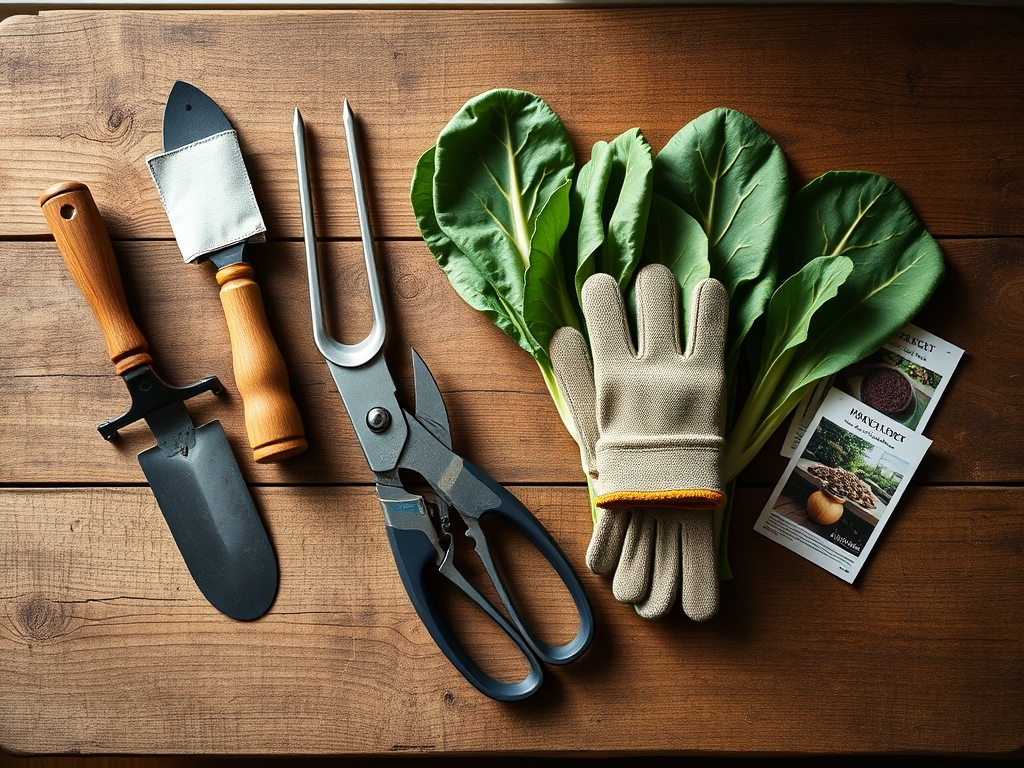
Nutrient management requires a specific NPK balance. Before planting, incorporate a slow-release fertilizer with an NPK ratio of 10-10-10 or 5-10-10. While nitrogen is critical for foliar development, excessive application can lead to rapid, weak growth that is highly susceptible to mechanical damage. Ensure your soil has a high Cation Exchange Capacity (CEC) by adding well-rotted compost; this increases the soil's ability to hold onto positively charged ions like calcium and magnesium. You will also need a soil moisture meter to monitor the substrate and a hori-hori knife for precise transplanting and soil aeration.
Timing
Bok choy (Brassica rapa subsp. chinensis) is highly sensitive to the biological clock dictated by day length and temperature. It thrives in USDA Hardiness Zones 2 through 11, but the planting window is narrow. For a spring crop, sow seeds four weeks before the last frost date. For a fall crop, sow six to eight weeks before the first hard freeze.
The critical threshold for this plant is 75 degrees Fahrenheit. Once soil or ambient temperatures consistently exceed this mark, the plant receives a hormonal signal to transition from the vegetative stage to the reproductive stage. This process, known as bolting, causes the central stem to elongate and produce flowers, rendering the leaves bitter and the texture woody. To prevent this, monitor the vernalization period; exposure to temperatures below 50 degrees Fahrenheit for extended periods can also trigger premature flowering in young seedlings.
Phases
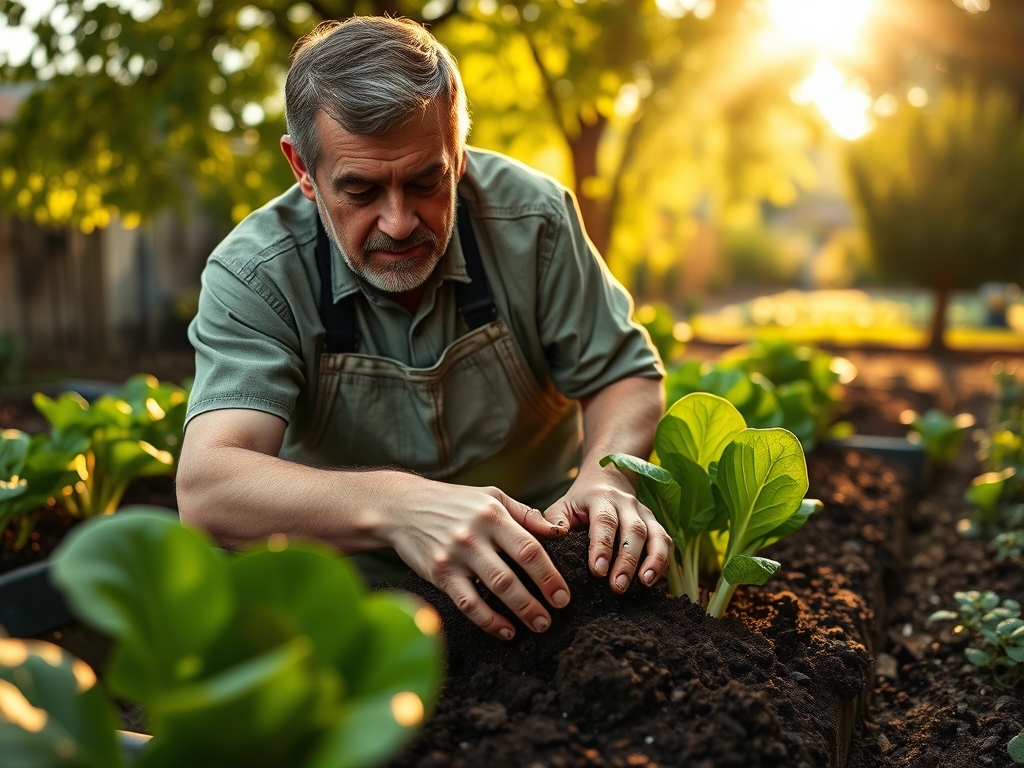
Sowing the Foundation
Direct sow seeds 0.25 to 0.5 inches deep in rows spaced 12 inches apart. If you are starting indoors, use sterile seed-starting mix in peat pots to minimize root disturbance during the transition to the garden. Maintain a constant temperature of 65 to 70 degrees Fahrenheit for optimal germination, which typically occurs within seven to ten days.
Pro-Tip: Proper sowing depth ensures the emerging hypocotyl is protected from desiccation. This stage relies on auxin suppression; by maintaining consistent moisture, you prevent the plant from prioritizing root elongation over leaf development, leading to a more balanced seedling.
Strategic Transplanting
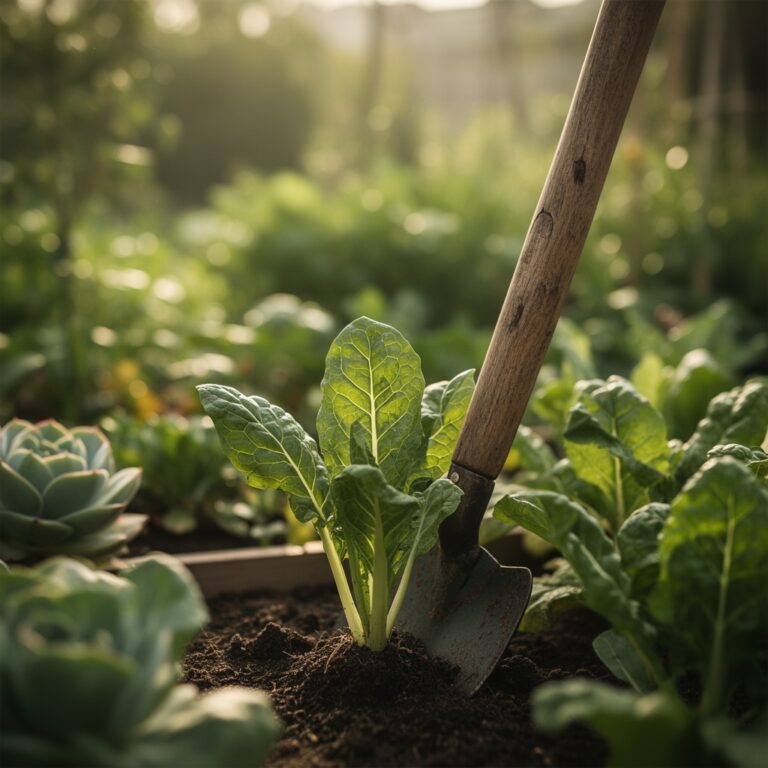
When seedlings reach three inches in height and have at least two sets of true leaves, move them to their permanent location. Space individual plants 6 to 10 inches apart depending on the variety. Use your hori-hori knife to create a hole twice the width of the root ball. Firm the soil gently around the base to eliminate air pockets that can cause root desiccation.
Pro-Tip: Transplanting during overcast conditions reduces transpiration stress. This allows the plant to focus energy on establishing mycorrhizal symbiosis, where beneficial fungi colonize the root system to enhance phosphorus uptake and water absorption.
Establishing the Rosette
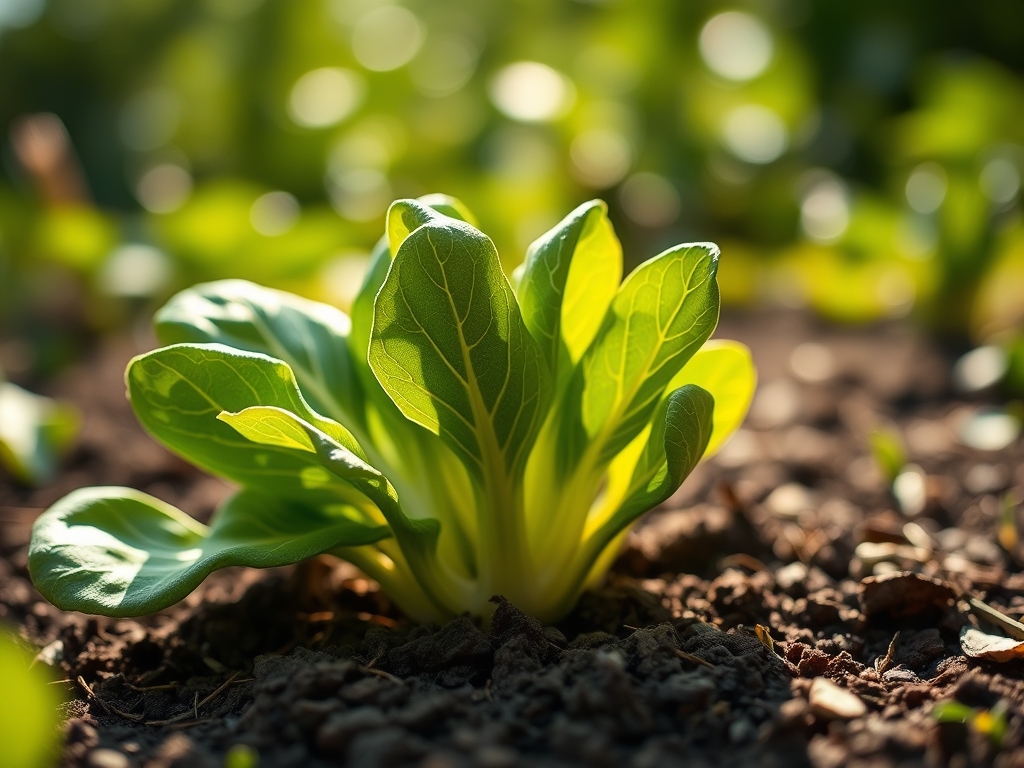
Once transplanted, the plant enters a phase of rapid biomass accumulation. Maintain consistent soil moisture to support the high metabolic rate of the developing leaves. Thin any overcrowded plants to ensure adequate airflow; this reduces the risk of fungal pathogens colonizing the damp microclimate beneath the leaf canopy.
Pro-Tip: Thinning promotes better phototropism. By reducing competition for light, you ensure each plant receives maximum solar radiation, which drives the photosynthesis required to build the thick, crunchy petioles characteristic of high-quality bok choy.
The Clinic
Physiological disorders in bok choy are often the result of environmental stressors or localized nutrient imbalances. Identifying these early is the difference between a successful harvest and crop failure.
- Symptom: Yellowing of older leaves (Chlorosis).
- Solution: This typically indicates a Nitrogen deficiency. Apply a water-soluble high-nitrogen fertilizer directly to the root zone to restore chlorophyll production.
- Symptom: Tip burn on inner leaves.
- Solution: This is caused by a Calcium deficiency, often triggered by inconsistent watering rather than a lack of calcium in the soil. Calcium is immobile in the plant and requires constant water flow (transpiration) to reach new growth.
- Symptom: Premature elongation of the central stalk (Bolting).
- Solution: This is a response to heat or photoperiod changes. There is no "fix" once it starts; harvest immediately before the flavor degrades.
- Symptom: Stunted growth and purplish leaves.
- Solution: This indicates a Phosphorus deficiency, often occurring in cold soils where the roots cannot effectively uptake the nutrient. Use a phosphorus-rich starter fertilizer in early spring.
Fix-It: If you observe general leaf wilting despite moist soil, check for root-knot nematodes or soil-borne pathogens. Improving soil drainage and rotating crops annually are the primary methods for managing these biological threats.
Maintenance
Precision irrigation is the most critical maintenance task. Bok choy requires approximately 1.5 inches of water per week, delivered directly to the drip line. Avoid overhead watering, as moisture trapped in the dense rosette can lead to bacterial soft rot. Use a soil moisture meter to ensure the top two inches of soil remain consistently damp but not saturated.
Weed management must be handled with care. The root system of bok choy is shallow and easily damaged by aggressive hoeing. Use bypass pruners to snip any weeds at the soil line or hand-pull them to protect the delicate rhizosphere. Applying a thin layer of organic mulch, such as straw or shredded leaves, can help regulate soil temperature and suppress weed germination while maintaining the necessary moisture levels.
The Yield
Harvesting occurs when the plant reaches the desired size, typically between 6 and 12 inches in height. For "baby" bok choy, harvest earlier when the plant is approximately 5 inches tall. Use a sharp knife to sever the entire head at the soil line. If you prefer a continuous harvest, you can remove the outer leaves individually; however, this may eventually trigger the plant's stress response.
Post-harvest handling is vital for maintaining "day-one" freshness. Immediately after cutting, plunge the base of the plant into cold water to remove field heat and maintain cellular turgor. Shake off excess moisture and store in a perforated plastic bag in the refrigerator at 32 to 36 degrees Fahrenheit. Under these conditions, the plant will remain crisp for up to two weeks.
FAQ
How much sun does bok choy need?
Bok choy requires six hours of direct sunlight daily. In hotter climates, provide filtered afternoon shade to prevent the soil temperature from rising above 75 degrees Fahrenheit, which triggers premature bolting and leaf bitterness.
Can I grow bok choy in containers?
Yes. Use a container at least 12 inches deep with excellent drainage. Ensure the potting mix is rich in organic matter and monitor moisture levels daily, as containers undergo faster evaporation than in-ground garden beds.
What is the best fertilizer for bok choy?
Use a balanced 10-10-10 NPK fertilizer at planting. If growth slows, apply a nitrogen-heavy side-dressing, such as blood meal, three weeks after transplanting to support rapid foliar expansion and maintain deep green leaf coloration.
Why are there holes in my bok choy leaves?
Small, "shothole" patterns are usually caused by flea beetles. Larger ragged holes indicate cabbage loopers. Use physical barriers like floating row covers immediately after planting to prevent these insects from accessing the tender foliage.