7 Best Professional Vegetable Garden Tool Sharpeners
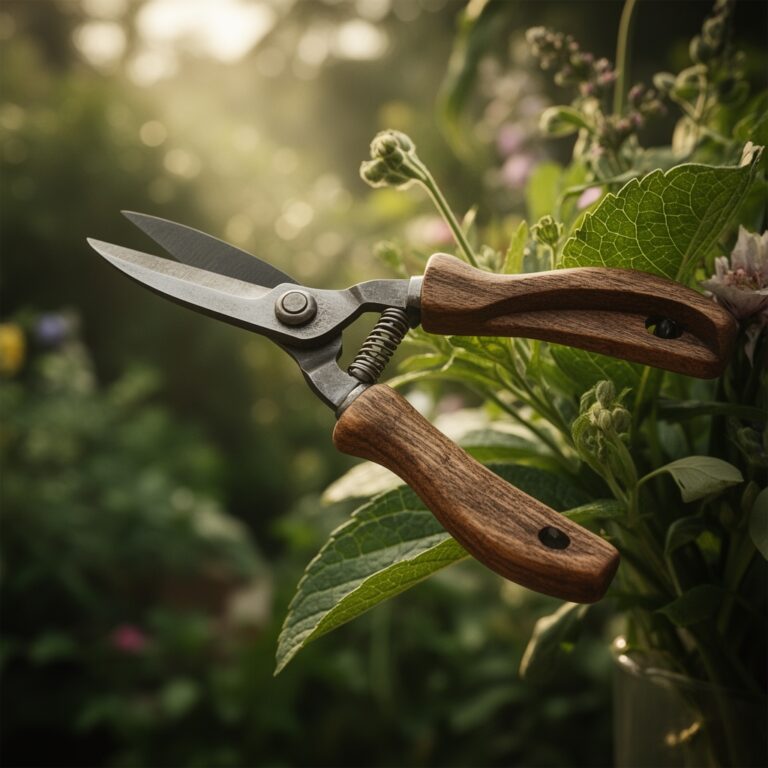
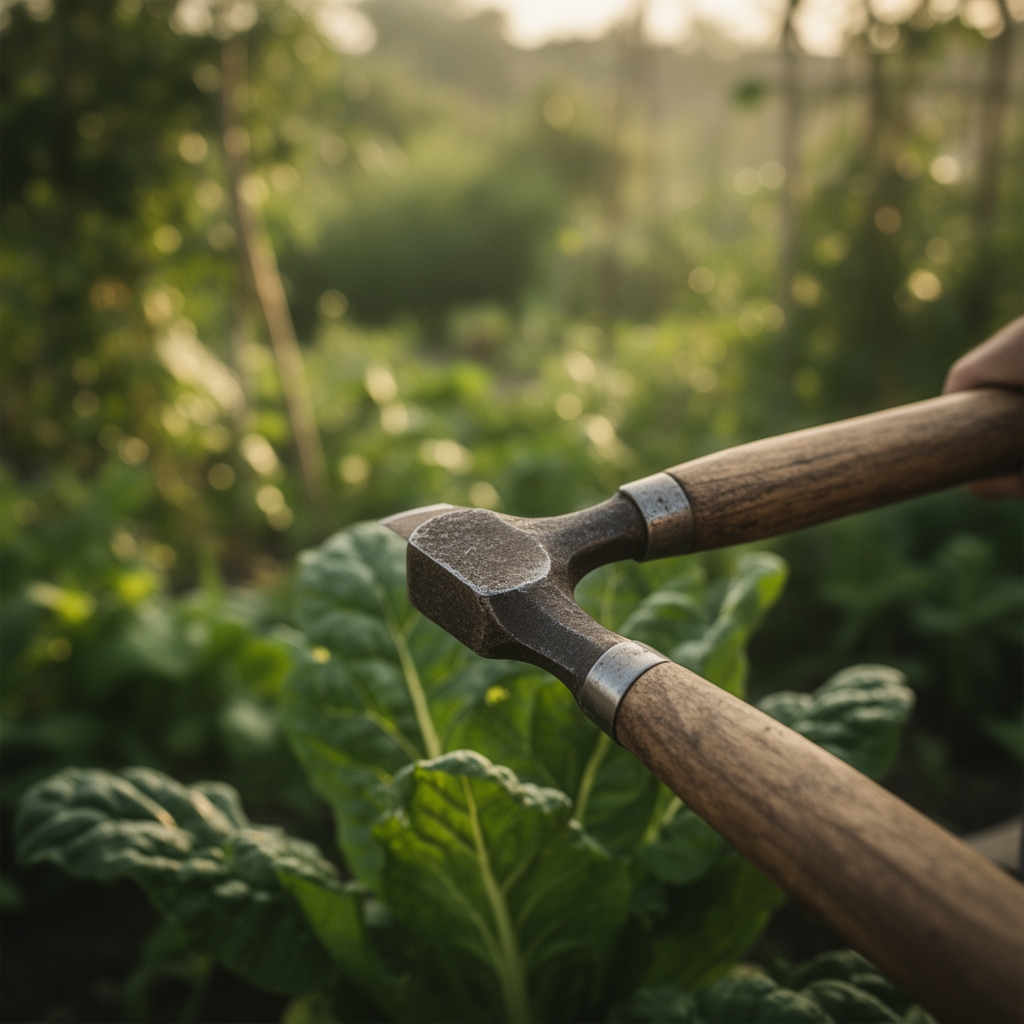
The satisfying scrape of a sharp hoe through crust soil, the clean slice of pruning shears through a thick tomato sucker, the precise edge of a spade cutting transplant circles—these sensations define productive vegetable gardening. Dull tools crush plant tissue, invite disease, and triple your labor. The best vegetable garden tool sharpeners restore cutting geometry to factory specifications and extend tool lifespan by decades. Professional growers sharpen weekly during peak season, understanding that every stroke with a blade angled at 20 to 25 degrees reduces cellular damage and pathogen entry points.
Materials
Professional sharpening requires abrasive grits matched to tool metallurgy and damage severity. Begin with 120-grit silicon carbide for badly nicked hoe blades or spades that have struck stone. Progress to 400-grit aluminum oxide for secondary beveling on pruners and knives. Finish with 1000-grit ceramic stones for polished edges on grafting tools.
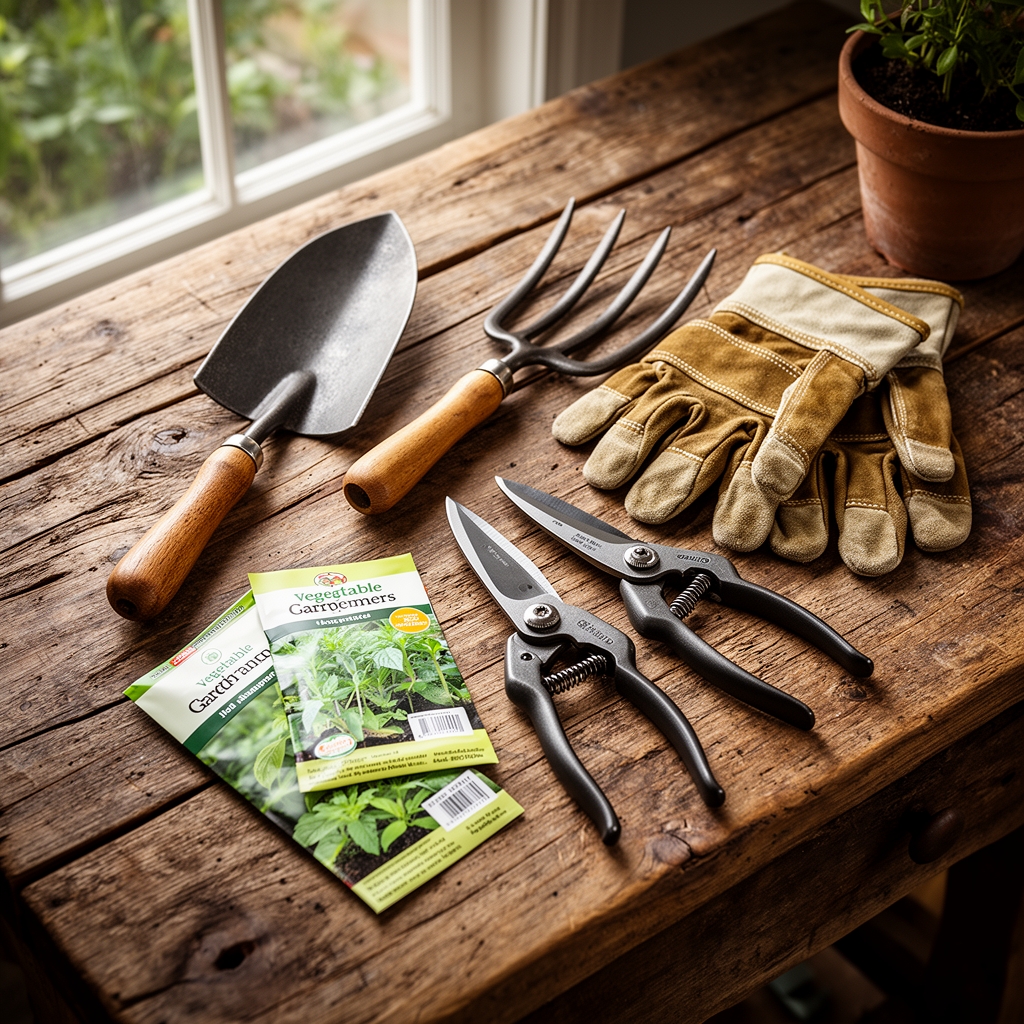
Diamond-coated sharpeners remove steel fastest but generate heat that can temper high-carbon blades. Arkansas stone (novaculite) works for hand tools requiring surgical sharpness. Tungsten carbide pull-through sharpeners suit field use but remove excessive material. Honing oil (mineral oil at 65-weight viscosity) suspends metal particles and prevents clogging. Water stones demand soaking for twenty minutes before use and maintain cleaner surfaces.
The best vegetable garden tool sharpeners include dedicated angle guides. A Lansky-type clamp system holds blades at repeatable 17, 20, or 25-degree bevels. Single-cut mill bastard files work for long-handled tools like scythes and machetes where power tools are impractical. Bench grinders with 6-inch wheels at 3,450 RPM suit volume sharpening but require water-cooled jigs to prevent oxidation of tempered edges.
Timing
Sharpen tools fourteen days before spring transplanting begins in your USDA Hardiness Zone. Zone 5 gardeners prepare tools by April 15, the average last frost date. Zone 7 operations sharpen by March 20. Zone 9 subtropical gardens require year-round maintenance with intensified schedules during winter brassica season.
Inspect cutting edges after every 4 hours of soil contact. Sandy loam with pH below 6.0 contains abrasive silica particles that dull hoes within a single bed preparation. Clay soils with high cation exchange capacity adhere to blades and cause edge rolling rather than abrading. Sharpen bypass pruners after cutting 200 stems or whenever sap buildup causes tissue crushing instead of shearing.
Phases
Restoration sharpening addresses tools purchased used or neglected for multiple seasons. Remove rust with 80-grit paper and white vinegar diluted 1:1. Restore original bevel angles by marking the edge with permanent ink and filing until the ink disappears uniformly. This indicates even material removal across the cutting surface.

Pro-Tip: Coat fresh-sharpened steel with boiled linseed oil. The polymerized coating prevents flash rust in humid conditions and improves soil release during cultivation.
Maintenance sharpening preserves factory geometry through frequent light treatment. Run a 400-grit stone along the bevel for 10 strokes per side on hoes and spades. Check sharpness by slicing newsprint held vertically. Properly honed edges slice without tearing fibers.
Pro-Tip: Sharpen stirrup hoes by filing the interior edge only. The exterior curve never contacts soil or weeds and should remain factory-ground.
Specialized sharpening for grafting knives and budding tools demands mirror-polished edges. Progress through 400, 800, and 1200-grit stones with stropping on leather charged with chromium oxide compound. Test on 1/4-inch green wood stems. Clean cuts show no compression marks or torn cambium.
Pro-Tip: Maintain auxin distribution in pruning cuts by sharpening bypass pruner blades to 20-degree angles. Steeper angles bind in woody tissue. Shallower angles chip on mature stems exceeding 3/4 inch diameter.
Troubleshooting
Symptom: Sharpened hoe blade dulls within one bed length. Crust soil contains excessive silica.
Solution: Sharpen to 25-degree angle rather than 20 degrees. Increased material behind the edge extends sharpness duration. Break crust with a broadfork before hoeing.
Symptom: Bypass pruner crushes stems despite fresh sharpening. Blade-to-anvil gap exceeds 0.010 inches.
Solution: Disassemble pruner. Remove burrs from anvil face with 600-grit paper. Adjust pivot bolt tension until blades kiss without binding.
Symptom: File skates across blade without cutting. Metal hardness exceeds file specification.
Solution: Use diamond paddle sharpeners rated for Rockwell 58-62 hardness. Standard files work only on steel below Rockwell 55.
Symptom: Edge develops wire burr that won't dislodge. Sharpening angle too shallow or excessive pressure applied.
Solution: Flip tool. Make three light passes on opposite face at 2-degree steeper angle to fracture burr. Strop on leather.
Maintenance
Sharpen cutting tools every 4 hours of active use or weekly during transplanting and harvest seasons. Store sharpened tools in dry conditions with relative humidity below 50 percent. Wipe blades with vegetable oil after field use to displace moisture.
Disassemble pruners monthly for cleaning and pivot-point lubrication with 3-in-1 oil. Replace springs when compression drops below 75 percent of original force. Inspect wooden handles for splits that compromise striking force or leverage.
Apply 1/8-inch coat of paste wax to shovel and spade faces before storage. Waxed surfaces shed clay soil and reduce sharpening frequency by 40 percent. Hang tools vertically to prevent edge contact with concrete floors.
FAQ
How often should professional vegetable growers sharpen tools?
Sharpen hoes and cultivators after every 4 hours of soil work. Sharpen pruners after cutting 200 stems or when tissue crushing appears.
What angle produces the longest-lasting edge on hoes?
25-degree bevels balance sharpness with durability in abrasive soils. Reduce to 20 degrees for muck soils low in silica.
Can power grinders damage tool temper?
Yes. Grinding generates heat above 400°F that softens high-carbon steel. Use water-cooled systems or frequent quenching in room-temperature water.
Do mycorrhizal fungi benefit from clean pruning cuts?
Clean cuts reduce wound area and pathogen colonization, allowing beneficial mycorrhizal networks to maintain nutrient exchange without interruption from rot or cankers.
What grit removes rust without excessive material loss?
220-grit aluminum oxide removes surface oxidation while preserving blade geometry. Follow with 400-grit to restore smooth finish.