7 Steps to Build a Functional Gravel or Stone Path
Walking a muddy garden route after spring rain reveals the immediate need for permanent, load-bearing infrastructure. Crushed limestone or river rock stabilized by proper base layers transforms soggy ground into all-season thoroughfares. The steps for building a garden path require systematic excavation, drainage engineering, and edge containment—disciplines more allied with soil mechanics than ornamental design. Each layer compacts to a distinct density, creating a permeable surface that sheds water laterally while supporting foot traffic and wheelbarrow loads across zones 3 through 10.
Materials

Base aggregate demands crushed stone in the 3/4-inch grade, angular rather than rounded, to achieve mechanical interlock under compaction. This layer sits directly on native soil stripped of organic matter. Avoid limestone if adjacent beds house acid-loving species like Rhododendron or Vaccinium; the leachate raises pH incrementally over 18 months. For acidic conditions, use granite or trap rock with a neutral reaction.
The leveling course requires stone screenings or decomposed granite at 1/4-inch minus grade, functioning as a filler that locks larger aggregate into position. This fraction behaves like a low-plasticity soil with minimal cation exchange capacity, resisting clay expansion during freeze-thaw cycles.
Top dressing options include pea gravel (3/8-inch round), crushed quartz, or angular trap rock in the 1/2-inch grade. Rounded gravel migrates under shear stress; angular chips stay fixed. For paths adjacent to vegetable beds, avoid recycled concrete aggregate. Residual lime and salts persist for three growing seasons, inhibiting auxin distribution in root zones.
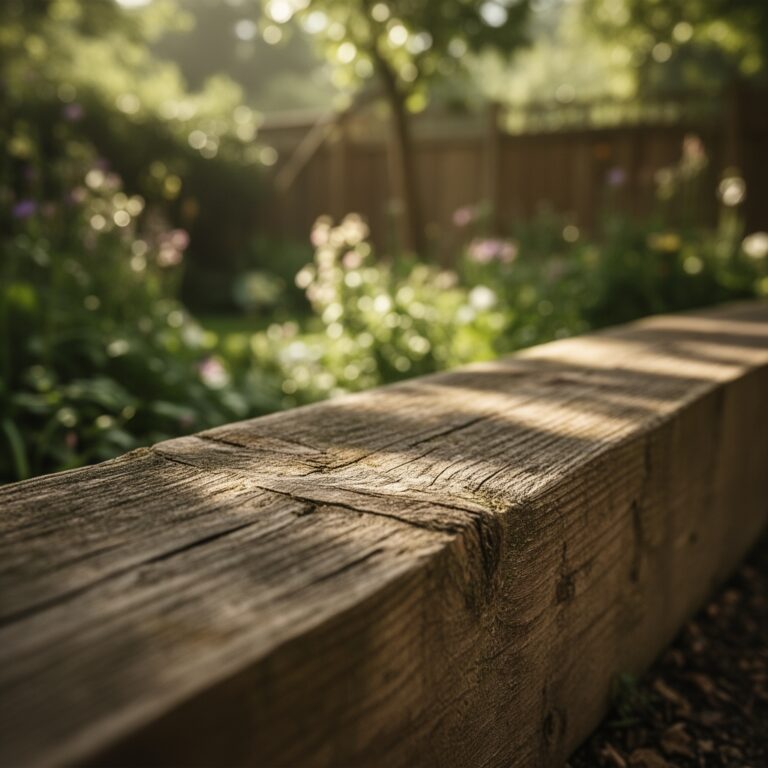
Edging requires either steel landscape stakes driven 8 inches deep or rot-resistant black locust milled to 4-by-4-inch dimensions. Polyethylene strips flex under frost heave. Galvanized steel holds geometry for 20 years in zones 5 and colder.
Landscape fabric, if used, must be non-woven spun polypropylene at 3-ounce weight minimum. Woven tarps clog with sediment within two seasons, blocking water infiltration and encouraging anaerobic conditions that favor Phytophthora species in neighboring beds.
Timing
Hardiness zones determine workable windows. Zones 3 through 5 require completion before October 15 to allow two freeze-thaw cycles that pre-settle aggregate. Zones 6 through 8 permit year-round construction, though summer months above 85 degrees Fahrenheit accelerate moisture loss in screenings during compaction, reducing interlock efficiency.
Spring installation after final frost date, typically April 20 in zone 5 and March 10 in zone 7, allows immediate use during peak gardening activity. Soil moisture content in the excavation zone should register below 18 percent on a handheld meter. Saturated clay cannot be compacted and will rebound under load, creating depressions within 60 days.
Fall construction in zones 9 and 10 avoids summer heat but must account for winter rains that may wash fines from unsealed edges before vegetation establishes along borders.
Phases

Excavation Phase: Mark path width at 36 inches minimum for single-file foot traffic or 48 inches for wheelbarrow passage. Remove sod and topsoil to a depth of 6 inches in well-drained sandy loam, 8 inches in clay with slow percolation. The excavation bottom must slope 2 percent (1/4 inch per foot) perpendicular to the path axis to direct water into adjacent beds or swales. Compact native soil with a plate compactor applying 3,000 pounds per square foot. Two passes in opposite directions ensure uniform density.
Pro-Tip: In clay soils with percolation rates below 0.5 inches per hour, install a 4-inch perforated drain tile along one edge at base depth, sloped 1 percent toward a discharge point. Backfill the tile trench with 3/4-inch drainage rock before proceeding.
Base Layer Phase: Spread 3/4-inch crushed stone to a loose depth of 4 inches. Rake level, then compact in 2-inch lifts. Each lift requires three passes with a vibratory plate compactor. The compacted base measures 3 inches. Add edge restraints now, setting tops 1/4 inch below final path surface. Stake or anchor edging every 24 inches.
Pro-Tip: Moisten stone lightly before compaction if ambient humidity falls below 40 percent. Dry aggregate scatters under vibration rather than locking into place.
Surface Layer Phase: Apply stone screenings at 2 inches loose depth. Screed level with a straight 2-by-4, then compact to 1.5 inches. Top-dress with 1.5 inches of finish gravel, raking smooth but leaving this layer uncompacted. Foot traffic over 14 days will naturally seat surface stones into the screenings, creating a stable wearing course.
Pro-Tip: For paths that border mycorrhizal-dependent plantings like Quercus or Pinus, avoid compaction within 18 inches of root zones. Fungal hyphal networks require air-filled porosity above 15 percent by volume.
Troubleshooting
Symptom: Depressions or ruts develop within 30 days.
Solution: Insufficient base compaction. Remove surface gravel and screenings, re-compact base in 1-inch lifts at higher moisture content. Native soil may also be compressible peat or undecomposed organic matter; excavate an additional 4 inches and replace with compacted sand.
Symptom: Weeds emerge through gravel after 60 days, especially Digitaria (crabgrass) or Portulaca oleracea (purslane).
Solution: Fabric separation layer was omitted, or gaps exist at seams. Spot-treat with horticultural vinegar at 20 percent acetic acid concentration. Avoid pre-emergent herbicides containing trifluralin near edible beds; residues persist 120 days and inhibit root development in transplanted seedlings.
Symptom: Edges spread outward, gravel spills into beds.
Solution: Inadequate anchoring. Drive additional stakes every 12 inches. In frost-heave zones, replace surface stakes with deadman anchors: bury 12-inch landscape spikes horizontally 10 inches deep, connected to edging with galvanized wire.
Symptom: Puddles form on path surface after rain.
Solution: Reverse crown or insufficient slope. This requires partial reconstruction. Remove top layers, re-grade screenings to restore 2 percent cross-slope, then replace finish stone.
Symptom: Gravel migrates downhill on sloped paths exceeding 8 percent grade.
Solution: Install transverse retention bars (pressure-treated 2-by-4 lumber or steel edging) every 6 feet perpendicular to path direction. Bury bars flush with screenings layer, leaving only finish gravel above.
Maintenance
Apply 1/2 inch of additional finish gravel annually in high-traffic areas, typically near gates or shed access points. Inspect edging each spring after frost heave; reset any displaced sections immediately.
Rake surface monthly during growing season to redistribute gravel and disrupt germinating weed seeds. Mechanically destroy seedlings at the cotyledon stage; once taproots exceed 1 inch, hand-pulling disturbs base layers.
Monitor pH in adjacent planting beds if limestone aggregate was used. Test soil every 24 months. If pH rises above target range for acid-preferring species, apply elemental sulfur at 1 pound per 100 square feet, watered in thoroughly.
In zones with freeze-thaw cycles, replenish stone screenings every 36 months. Fines migrate downward through base rock, reducing surface stability. Spread 1/2 inch of screenings, sweep into surface voids with a stiff broom, then compact lightly.
Remove leaf litter and organic debris weekly in fall. Decomposing matter creates a soil layer that supports weed germination and retains moisture against landscape fabric, accelerating degradation.
FAQ
How deep should excavation go for a garden path?
Six inches in sandy or loamy soil with good drainage. Eight inches in clay soils. Measure after removing all organic topsoil.
Can I use recycled asphalt millings instead of gravel?
Asphalt leaches petroleum distillates that inhibit mycorrhizal colonization in nearby plant roots. Avoid within 10 feet of perennial beds.
What width is best for wheelbarrow access?
Forty-eight inches minimum. Standard contractor wheelbarrows measure 24 inches wide; the extra clearance prevents edge strikes.
Do I need landscape fabric under the path?
Only if perennial weeds like Elymus repens (quackgrass) or Convolvulus arvensis (bindweed) infest the area. Fabric blocks nutrient exchange with subsoil and complicates future repairs.
How much compaction is enough for the base layer?
Three passes with a 5,000-pound-force plate compactor per 2-inch lift. The surface should not shift under a heavy step, and a screwdriver should require significant force to penetrate more than 1/2 inch.