8 Arid Steps on How to Prepare a Cactus and Veg Mix Garden for Arid Environments
The first shovel strike in arid soil releases a scent of alkali and iron. You learn how to prepare a garden for a cactus and veg mix by recognizing that desert-adapted succulents and heat-tolerant vegetables share one requirement: drainage that mimics a bajada slope. The substrate must shed excess moisture within seconds while retaining trace elements in its cation exchange capacity. Both Opuntia species and determinate tomatoes thrive when roots colonize mineral-rich pockets without waterlogging. This dual-crop strategy converts barren yards into productive systems that yield pads, fruit, and leafy greens across six to nine months.
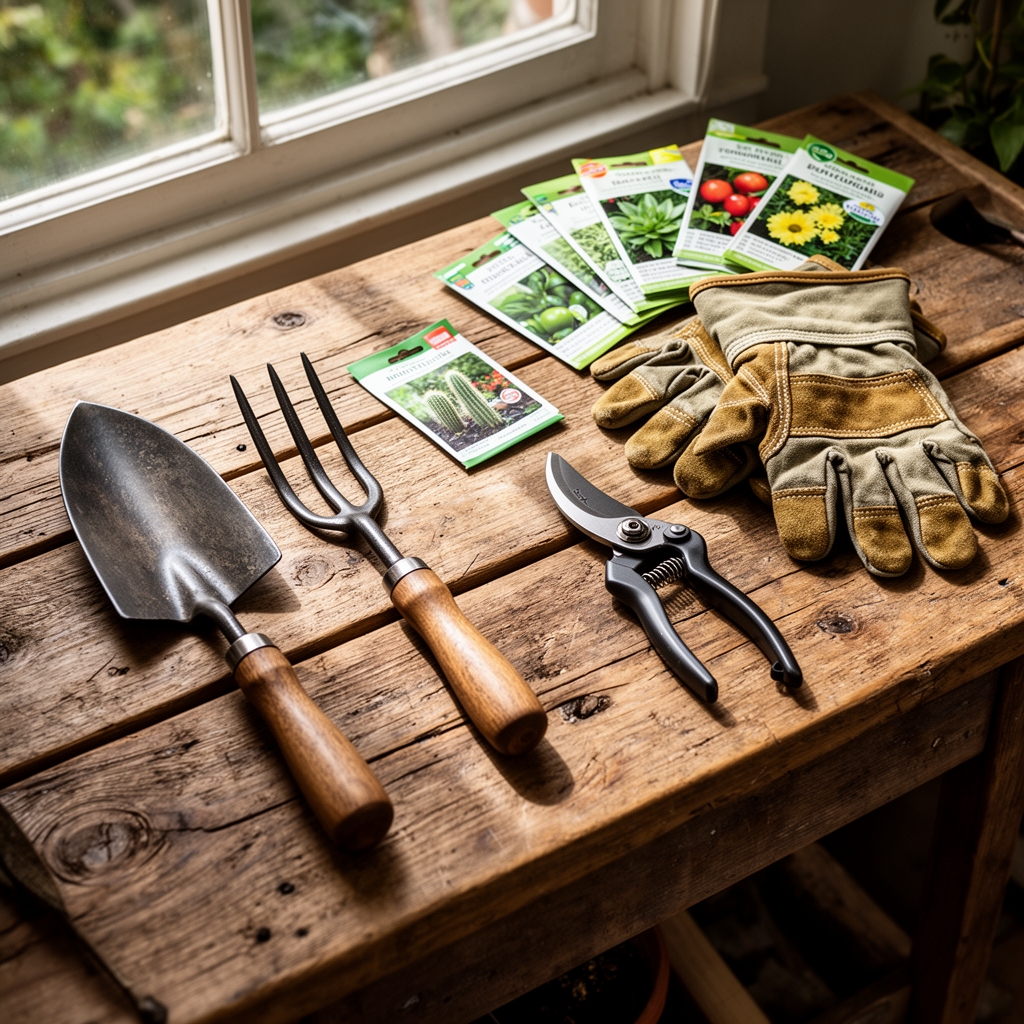
Materials
Select coarse sand with a particle size between 0.5 and 2 millimeters. This fraction prevents compaction and supports oxygen diffusion to root zones. Combine sand with aged compost that has decomposed for at least twelve months, ensuring the carbon-to-nitrogen ratio sits near 20:1.
Add pumice or perlite at a 1:4 ratio to the total volume. These volcanic minerals raise porosity above 40 percent, a threshold that prevents root rot in Echinocactus and prevents fungal wilt in Capsicum annuum.
For nutrient baseline, incorporate a 4-4-4 organic meal composed of feather meal, bone meal, and kelp. This balanced NPK profile releases nitrogen slowly and supplies trace boron and zinc. Sulfur powder adjusts pH when your soil reads above 7.5 on a calibrated meter. Cacti prefer a range of 6.0 to 7.0, while most vegetable cultivars tolerate 6.2 to 6.8.
Mycorrhizal inoculant in powder form colonizes root hairs within three weeks. Choose a blend containing both Glomus intraradices and Glomus aggregatum for broad compatibility with Solanaceae and Cactaceae families.
Timing
In Hardiness Zones 8 through 10, begin site preparation eight weeks before the last spring frost. These zones span regions where minimum winter temperatures range from 10 to 40 degrees Fahrenheit. Soil temperature must stabilize above 60 degrees Fahrenheit before transplanting warm-season vegetables such as eggplant and peppers.
For Zones 9b and 10a, a secondary planting window opens in late August. Fall crops of leafy greens mature alongside established cacti that enter dormancy in November.
Monitor your local frost-date calendar. A surprise freeze below 28 degrees Fahrenheit damages succulent pads and kills tender seedlings. Row covers rated to protect down to 24 degrees Fahrenheit provide a four-degree buffer.
Phases

Sowing: Direct-sow heat-tolerant greens such as Swiss chard and amaranth at a depth of one-quarter inch. Space rows 18 inches apart to allow air circulation that discourages powdery mildew. Broadcast cactus seed on the surface and press gently; Mammillaria species require light for germination. Cover the bed with shade cloth rated at 30 percent reduction for the first two weeks.
Pro-Tip: Dust seed with Rhizobium inoculant if planting legumes like tepary beans. This bacterium fixes atmospheric nitrogen and reduces fertilizer demand by 30 percent.
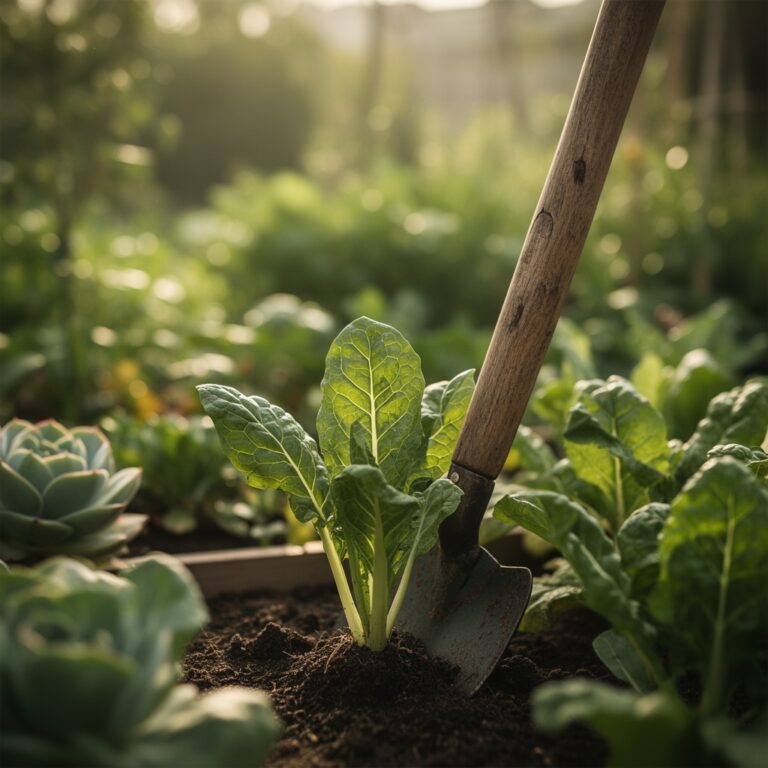
Transplanting: Move nursery cacti and vegetable starts when roots emerge from drainage holes. Dig planting holes twice the width of the root ball but only as deep as the existing soil line. Backfill with your amended mix, tamping lightly to eliminate air pockets. Position cacti on slight mounds to encourage runoff.
Pro-Tip: Apply a diluted kelp solution at 1 tablespoon per gallon immediately after transplanting. Auxin and cytokinin compounds in kelp accelerate root branching within 72 hours.
Establishing: Water transplants daily for the first week, delivering 0.5 gallons per plant. Taper to every three days in week two, then shift to a weekly schedule. Install drip emitters that release 1 gallon per hour, placing them 6 inches from cactus crowns and 3 inches from vegetable stems. Mulch pathways with decomposed granite to suppress weeds and reflect heat upward.
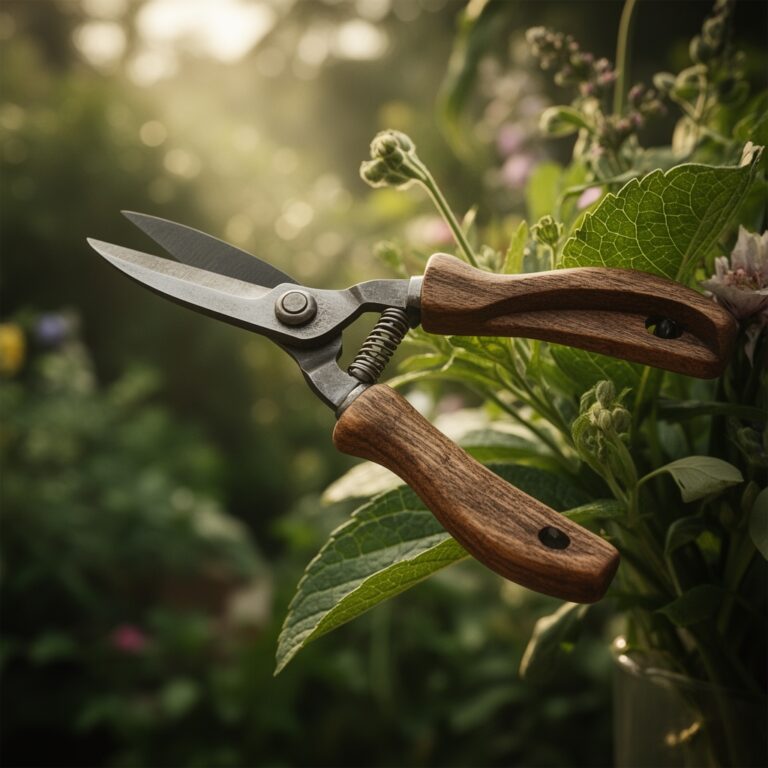
Pro-Tip: Prune lower leaves on tomato and pepper plants at a 45-degree angle using sterilized shears. This angle sheds moisture and reduces bacterial canker incidence.
Troubleshooting
Symptom: Yellow chlorosis beginning at leaf margins, progressing inward.
Solution: Indicates magnesium deficiency common in sandy substrates. Dissolve 1 tablespoon of Epsom salt per gallon and drench the root zone biweekly for one month.
Symptom: Soft, translucent spots on cactus pads with white fungal threads.
Solution: Phytophthora rot. Remove affected pads with a sterile blade, cutting 2 inches into healthy tissue. Reduce irrigation frequency by 50 percent and apply a copper fungicide at 2 tablespoons per gallon.
Symptom: Stippled leaves with fine webbing on undersides.
Solution: Spider mites thrive in heat above 90 degrees Fahrenheit. Spray insecticidal soap at a 2 percent concentration every three days for two weeks. Introduce predatory mites such as Phytoseiulus persimilis at a release rate of 50 per plant.
Symptom: Blossom-end rot on fruiting vegetables.
Solution: Calcium transport failure caused by erratic watering. Maintain consistent soil moisture at 1 inch per week and side-dress with gypsum at 1 cup per 10 square feet.
Maintenance
Deliver 1 inch of water weekly from May through September, measured with a rain gauge. Split this volume into two 0.5-inch applications to prevent runoff on compacted soil.
Side-dress vegetables with a 5-10-10 formula at 2 tablespoons per plant every four weeks during active growth. Avoid fertilizing cacti more than twice per season; excess nitrogen causes etiolation and weak spines.
Prune spent vegetable foliage monthly to redirect energy to fruit production. Remove cactus offsets in early spring when they reach one-third the size of the parent plant.
Test soil pH every eight weeks using a digital meter. Adjust with sulfur or lime in increments of 0.2 pH units per application.
FAQ
Can I grow cacti and vegetables in the same bed?
Yes, if you partition the bed with a shallow trench filled with gravel. This creates a moisture gradient, allowing vegetables to receive supplemental water while cacti remain dry.
Which vegetable varieties tolerate alkaline soil?
Asparagus, beets, and spinach perform well at pH 7.5 to 8.0. Amend individual planting holes for acid-loving crops like tomatoes.
How deep should cactus roots sit?
Plant columnar species with the root crown 1 inch above grade. Shallow-rooted varieties such as Echinopsis tolerate level planting but require coarser substrate.
When do I harvest cactus pads?
Cut pads when they reach 4 to 6 inches in length, typically 45 days after spring emergence. Use tongs and a sharp knife to avoid glochid contact.
What mulch works best in arid gardens?
Decomposed granite or crushed limestone at a 2-inch depth. Organic mulches retain excess moisture and attract termites in desert climates.