8 Best Architectural Plants for Modern Landscape Design
The scent of damp, anaerobic decomposition signals a failure in drainage that no modern aesthetic can mask. True architectural impact begins with the turgor pressure of a cellular wall; it is the internal hydraulic force that allows a leaf to stand rigid against gravity. Selecting the best plants for landscaping requires more than an eye for geometry. It demands an understanding of the metabolic rates and structural integrity of specific species. Modern design relies on clean lines and repeating forms, but these forms are biological engines fueled by sunlight and mineral uptake. A flaccid stem or a chlorotic leaf destroys the intended silhouette. We prioritize species with high structural lignin and predictable growth habits to ensure the landscape remains a precise biological installation rather than an overgrown thicket. Success is measured in the diameter of the crown and the depth of the root system.
Materials:
Architectural plants require a substrate with high **Cation Exchange Capacity (CEC)** to facilitate the movement of essential ions like Magnesium and Calcium. The ideal medium is a **friable loam** consisting of 40 percent sand, 40 percent silt, and 20 percent clay. This texture ensures oxygen reaches the **rhizosphere** while maintaining moisture.
For woody structural plants like Agave ovatifolia or Taxus baccata, maintain a soil pH between 6.0 and 7.5. Nutritional requirements vary by growth stage. During the establishment phase, utilize an NPK ratio of 10-20-10 to stimulate phosphorus-driven root development. Once the structural frame is established, transition to a 10-5-10 ratio to support foliage density without inducing excessive, weak "water sprouts." Ensure the soil contains at least 5 percent organic matter to support microbial life, which assists in the breakdown of complex minerals into plant-available forms.
Timing:
Most architectural specimens thrive in Hardiness Zones 5 through 9, though specific succulents require Zone 8 or higher. The "Biological Clock" of these plants is governed by the photoperiod and soil temperature. Planting should occur when soil temperatures consistently reach 55 degrees Fahrenheit. This ensures the plant exits its dormant state and enters the vegetative phase with sufficient metabolic momentum.
In temperate climates, the window for transplanting opens six weeks before the first autumn frost or four weeks after the last spring frost. This timing allows the root system to colonize the surrounding soil before the plant undergoes senescence or faces the high transpiration demands of peak summer. Monitoring the transition from vegetative growth to reproductive stages is critical; for many architectural grasses, this occurs as day length shortens in late August.
Phases:

Sowing and Propagation
While many architectural plants are purchased as containers, starting species like Stipa gigantea from seed requires a cold stratification period of 30 to 60 days at 40 degrees Fahrenheit. This breaks seed dormancy by mimicking winter conditions.
Pro-Tip: Use a sterilized seed-starting mix to prevent "damping off" caused by fungal pathogens. This ensures the young seedling can establish turgor pressure quickly without competing with aggressive soil-borne microbes.
Transplanting
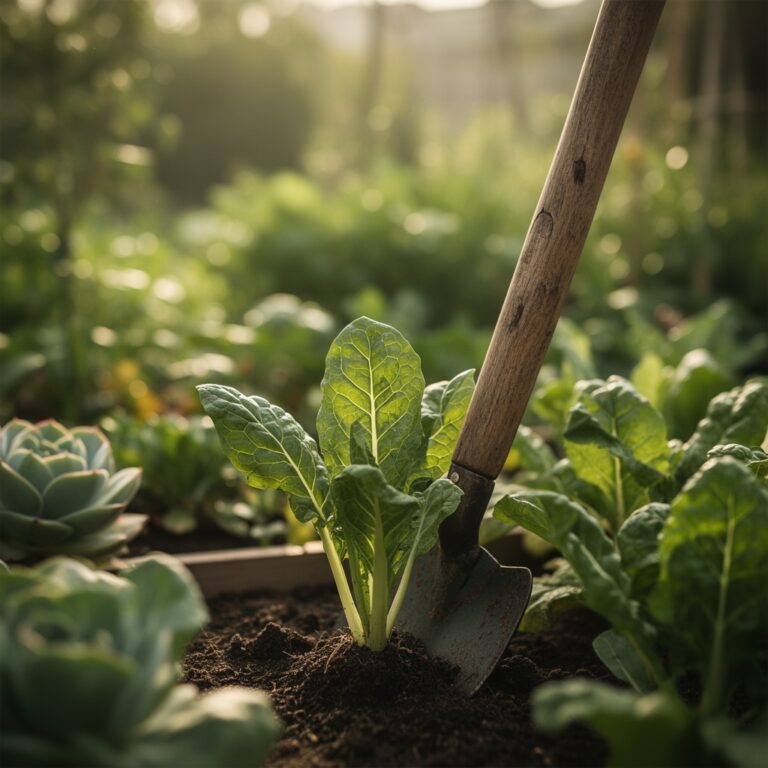
When moving a specimen from a container to the field, the planting hole must be twice the width of the root ball but no deeper. Deep planting suffocates the root flare and leads to stem rot.
Pro-Tip: Gently scarify the edges of the root ball to disrupt "circling roots." This encourages mycorrhizal symbiosis, where beneficial fungi extend the reach of the root system, increasing the surface area for water absorption by up to 1,000 percent.
Establishing
The first 12 months are the "establishment phase." During this time, the plant prioritizes root expansion over vertical growth.
Pro-Tip: Avoid heavy nitrogen fertilization in the first year to prevent auxin suppression. High nitrogen levels can trick the plant into focusing on terminal bud growth at the expense of the lateral root development needed for long-term stability.
The Clinic:
Physiological disorders often mimic infectious diseases. Accurate diagnosis prevents the unnecessary application of chemicals.
- Symptom: Interveinal chlorosis (yellowing between leaf veins) on new growth.
- Solution: This indicates an Iron deficiency, often caused by a pH above 7.5, which locks the mineral in the soil. Lower the pH using elemental sulfur.
- Symptom: Leaf tip burn or marginal necrosis.
- Solution: This is often a sign of "salt crusting" or over-fertilization. Flush the soil with three inches of water to leach excess salts from the root zone.
- Symptom: Drooping foliage despite wet soil.
- Solution: Root asphyxiation due to poor drainage. Incorporate perlite or coarse sand to increase Macropore space for oxygen.
Fix-It for Nitrogen Chlorosis: If older leaves turn uniform pale green, apply a water-soluble 20-20-20 fertilizer at half strength. Nitrogen is a mobile nutrient; the plant will move it from old tissue to new growth to survive.
Maintenance:
Precision maintenance preserves the architectural "line." Use a soil moisture meter to ensure the root zone remains at 20 to 30 percent moisture capacity. Most structural plants require 1.5 inches of water per week delivered at the drip line, not the trunk.
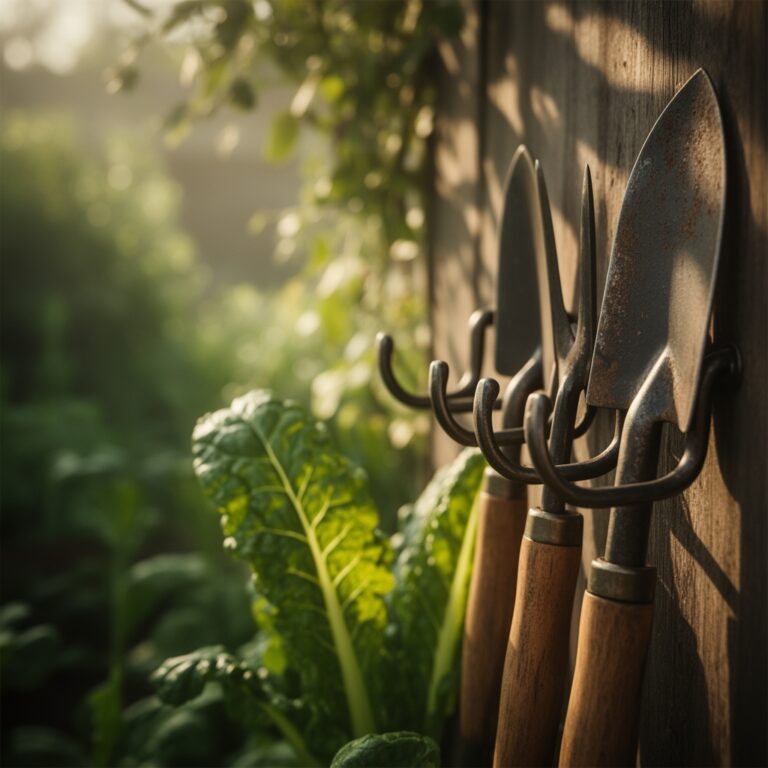
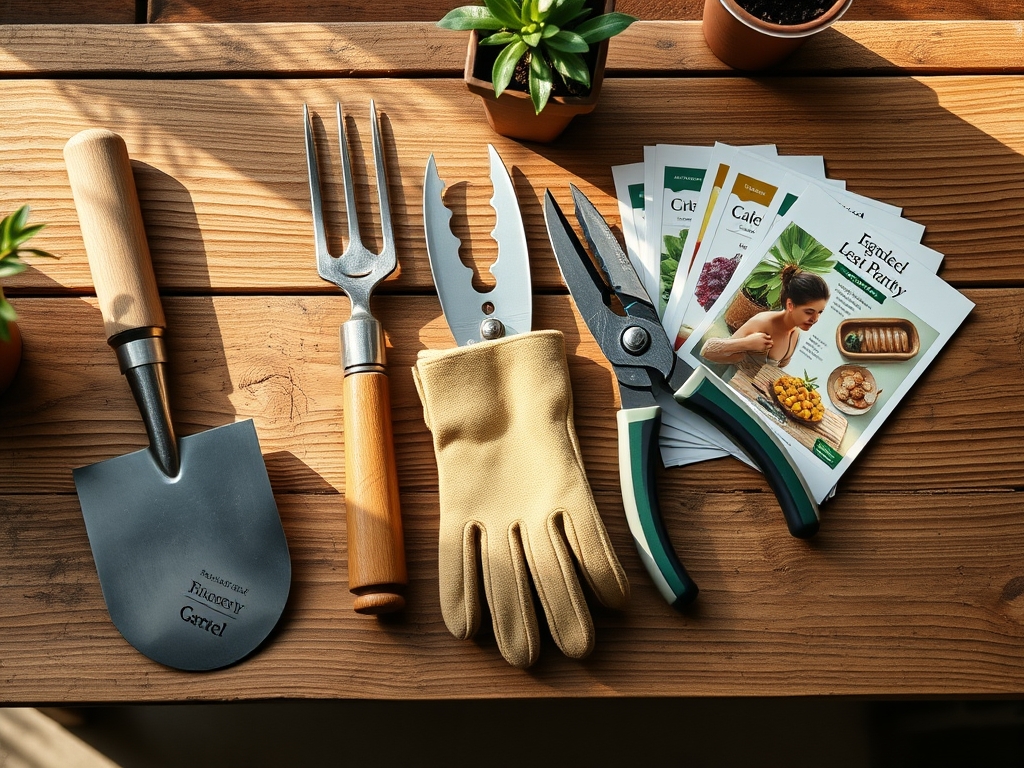
For pruning, use sharpened bypass pruners for soft tissue and a hori-hori knife for dividing clumping grasses or weeding near delicate root systems. Prune during the dormant season to minimize sap loss and prevent the attraction of opportunistic insects. When removing dead wood, cut at a 45-degree angle just above a lateral bud to promote rapid callousing. This prevents pathogens from entering the vascular system.
The Yield:
For architectural plants that produce flowers, such as Allium giganteum or Yucca rostrata, timing the harvest is essential for structural longevity. Remove spent flower stalks (deadheading) once they reach 75 percent senescence. This redirects energy from seed production back into the bulb or rhizome for the following season.
If using these plants for indoor display, cut stems at a sharp angle and immediately submerge them in 110-degree Fahrenheit water. This "heat shock" removes air bubbles from the xylem, ensuring maximum water transport and "day-one" freshness for up to two weeks.
FAQ:
What is the best soil for architectural plants?
A well-draining friable loam with a pH of 6.5 is ideal. It must have sufficient pore space for oxygen and a high CEC to retain essential nutrients like potassium and magnesium for cellular strength.
How often should I water new landscaping?
Deliver 1.5 inches of water weekly at the drip line. Use a soil moisture meter to verify the top six inches of soil are moist but not saturated. Adjust frequency based on evaporation rates and soil type.
Why are my plant leaves turning yellow?
Yellowing, or chlorosis, usually indicates a nutrient deficiency or poor drainage. Interveinal yellowing suggests iron or magnesium issues; uniform yellowing of old leaves typically signals a nitrogen deficiency or root rot from overwatering.
When is the best time to prune structural shrubs?
Prune during the late winter dormancy before the first sap flow. This reduces stress on the plant and allows the specimen to direct its spring energy surge toward new, controlled growth according to your design.