8 Best Stones for Defining Clean Garden Borders
The weight of river-smoothed limestone under your palm, the angular bite of crushed granite against your boot sole, the cool permanence of slate arranged in crisp alignment. These textures transform chaotic bed edges into controlled geometry. Best stones for garden borders establish visual order while suppressing encroachment from lawn grasses and preventing soil migration during heavy rainfall events. Proper stone selection depends on regional availability, aesthetic compatibility with existing hardscaping, and the physical properties that determine long-term stability.
Materials
River Rock (3-6 inch diameter)
Tumbled smooth by erosion, these stones create informal borders. pH neutrality (6.5-7.0) ensures no soil chemistry interference. Weight per cubic foot ranges from 95-105 pounds, providing adequate stability without landscape fabric in most installations.
Crushed Granite
Angular fragments lock together through mechanical interlocking. Available in 0.25-inch to 1.5-inch grades, crushed granite resists displacement from mower wheels and foot traffic. The material contributes trace minerals including potassium (K) and calcium (Ca) as surfaces weather, slowly raising soil pH by 0.1-0.2 units over five years.
Fieldstone (Irregular Shape)
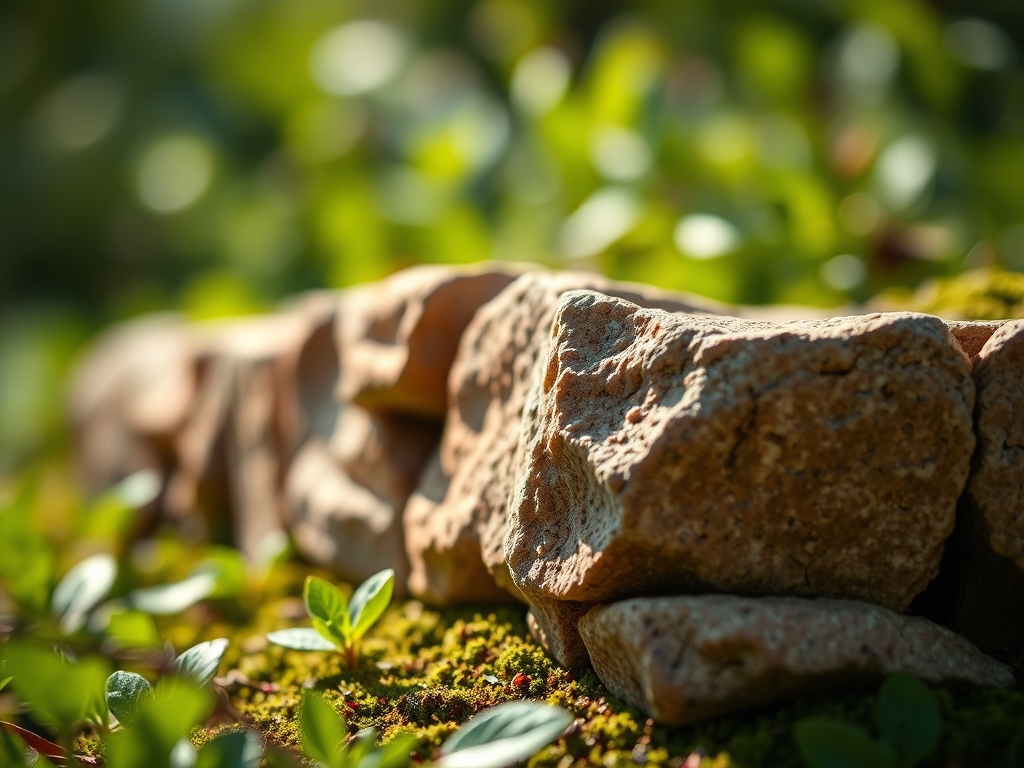
Harvested from agricultural clearing or quarry spoil, fieldstone offers maximum mass per dollar. Stack pieces 2-4 inches above grade to create effective physical barriers against creeping thyme, ajuga, and vinca infiltration.
Slate Chips
Thin, flat profiles permit tight borders in narrow planting strips. Slate's metamorphic structure resists freeze-thaw spalling in Zones 3-5. Dark gray and purple varieties absorb solar radiation, elevating soil temperature 3-5°F in a 6-inch radius during early spring.
Limestone Cobbles
Calcium carbonate composition (CaCO3) gradually leaches, delivering 40-60 pounds of calcium per ton over a decade. Ideal for acid-soil gardens (pH 5.0-5.5) requiring gentle correction toward neutral without sudden chemistry shifts that stress mycorrhizal fungi.
Lava Rock
Porous vesicular structure provides 40% void space, allowing air exchange at soil interface while preventing compaction. Weighs 50% less than river rock per cubic foot, simplifying installation. Iron oxide content tints surrounding soil, creating rust-colored staining in high-lime conditions.
Pea Gravel (0.25-0.5 inch)
Small diameter permits contour flexibility around curved beds. Requires edging strips to prevent lateral migration. Apply 2-3 inches deep over landscape fabric for effective weed suppression while maintaining cation exchange capacity in underlying soil.
Brick Fragments
Reclaimed clay brick adds warmth through terra-cotta tones. Fired clay is chemically inert but physically friable. Fragments smaller than 1 inch eventually incorporate into topsoil, contributing silica and trace aluminum.
Timing
Installation windows align with soil workability rather than frost dates. In Zones 6-8, optimal periods span March 15-May 1 and September 10-October 30, when ground moisture permits excavation without mud adherence. Zones 3-5 require completion before October 1 to allow settling before freeze. Zones 9-11 permit year-round installation, though avoid mid-summer placement when soil temperatures exceed 85°F and cause handling discomfort.
Phases
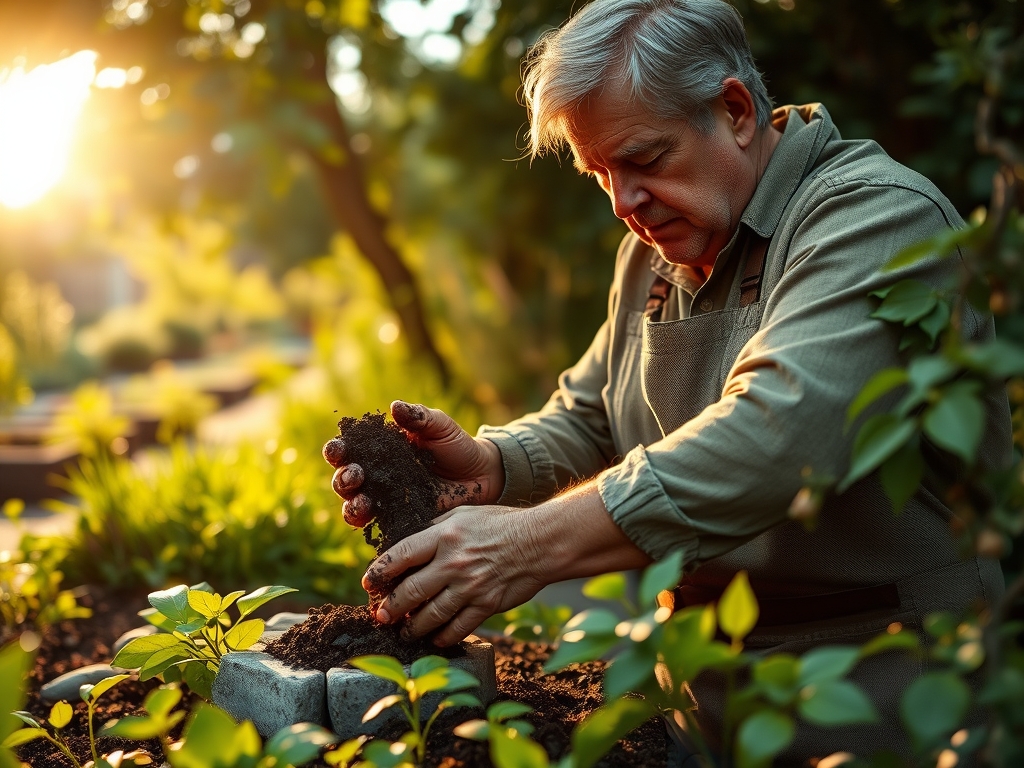
Edge Excavation
Cut border trench 4-6 inches deep and 6-8 inches wide using a flat spade. Maintain vertical walls. Remove grass clumps and perennial weed roots, particularly quackgrass rhizomes that penetrate 8 inches deep.
Pro-Tip: Score the sod line with a half-moon edger before spade work. This creates a clean shear plane and reduces ragged edges that require secondary trimming.
Base Preparation
Spread 1-2 inches of coarse sand or stone dust. Tamp with a hand tamper or 4×4 post end until surface resists thumb pressure. This base prevents differential settling and reduces frost heave by interrupting capillary moisture rise.
Pro-Tip: Incorporate mycorrhizal fungi inoculant into the base layer at 1 tablespoon per linear foot. Hyphal networks colonize adjacent planting beds, improving nutrient uptake efficiency by 15-30%.
Stone Placement
Arrange largest stones first, positioning flat sides downward for stability. Fill gaps with progressively smaller material. For stacked borders, angle faces 10-15° inward to create a battered profile that resists toppling.
Pro-Tip: Wet stones before placement. Moisture reveals color saturation and surface texture, allowing accurate aesthetic matching that dry stone inspection masks.
Troubleshooting
Symptom: Stone displacement from frost heave.
Solution: Excavate an additional 2 inches below initial depth. Fill with coarse gravel (0.75-1.5 inch) to establish a capillary break that prevents ice lens formation beneath stones.
Symptom: Weed emergence through stone layer.
Solution: Apply pre-emergent herbicide containing trifluralin at 1.5 pounds active ingredient per acre in early March. Alternatively, install commercial-grade landscape fabric (3.0 oz/sq yd minimum) beneath stones.
Symptom: Algae or moss growth on stone surfaces.
Solution: Indicates excessive shade and moisture retention. Thin overhead canopy to increase light penetration by 20%. Apply copper sulfate solution (1 tablespoon per gallon) and scrub with stiff brush.
Symptom: Stone color fading.
Solution: Natural weathering oxidizes mineral surfaces. Restore depth by applying commercial stone sealer annually or accept patina as natural aging.
Maintenance
Rake stone borders in April and September to redistribute material and break up compacted zones. Remove accumulated leaf litter and organic debris that creates germination substrate for opportunistic weeds. Top-dress every 2-3 years with 0.5-1 inch of matching stone to maintain design depth as underlying material settles. Edge turf borders monthly during active growth using a string trimmer held at 30° angle to prevent grass encroachment. Apply 0.5 inches of water weekly during establishment phase if natural rainfall falls below this threshold.
FAQ
How deep should stone borders extend?
Install stones 4-6 inches deep with 2-3 inches remaining above grade for visual definition and physical barrier function.
Do I need landscape fabric beneath stones?
Fabric prevents soil-stone mixing and reduces weed emergence by 70-85%. Use commercial grade (3.0 oz/sq yd minimum) for durability exceeding five years.
What stone size works best for curved borders?
Materials smaller than 1 inch (pea gravel, crushed granite) conform to tight radii below 24 inches. Larger stones require gentler curves.
Can stones affect nearby plant growth?
Limestone raises pH gradually. Lava rock and river rock remain chemically neutral. Maintain 3-inch separation between stone edge and plant crowns.
How much stone do I need per linear foot?
For 8-inch width at 3-inch depth, calculate 0.02 cubic yards per foot, approximately 35-40 pounds of river rock or 25-30 pounds of lava rock.