8 Heat and Light Steps to Prepare a Spring Windowsill
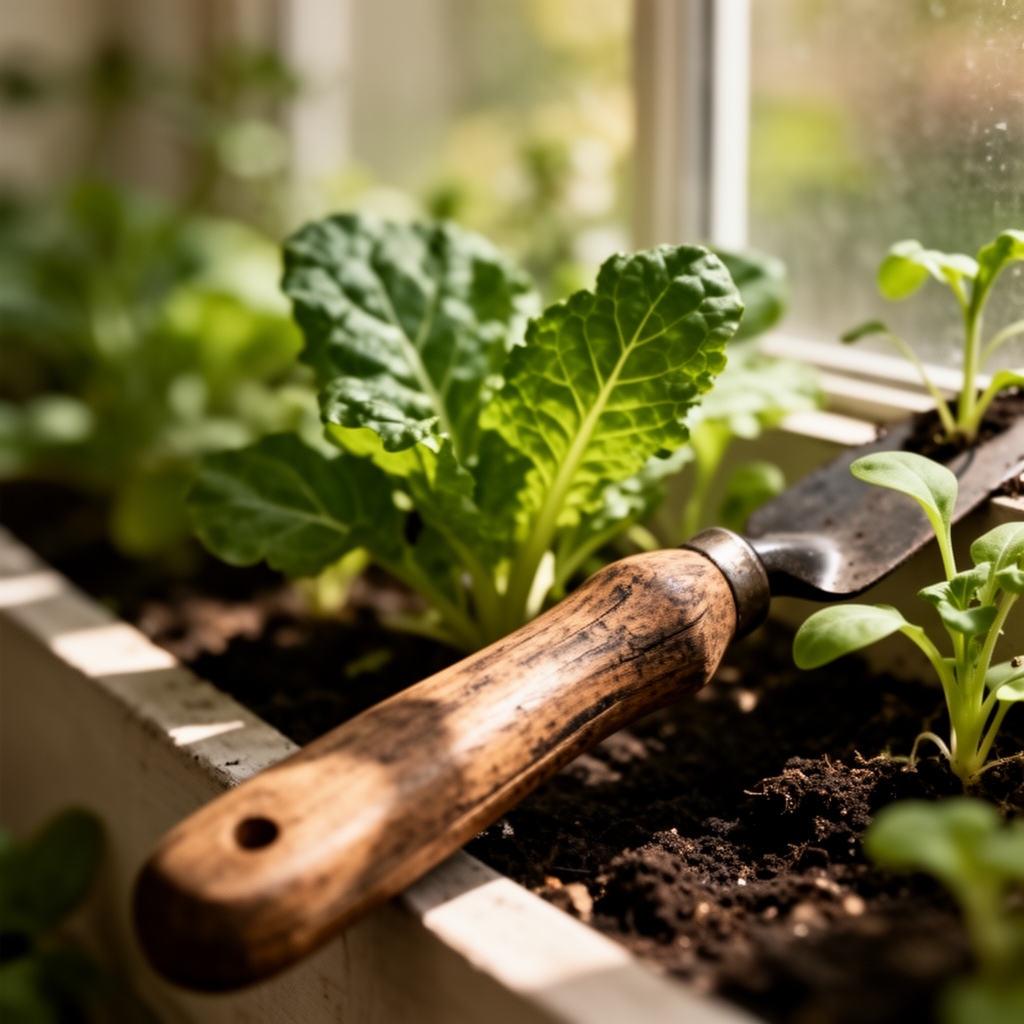
Damp peat and refracted morning light signal the return of active growth. Windowsills transform into nurseries for tomato, pepper, and brassica cultivars when gardeners master the interplay between photosynthetic flux and substrate moisture. Learning how to prepare a windowsill for spring seedlings begins eight weeks before the last frost date. This preparation phase determines root architecture, internode spacing, and transplant shock resilience in the field.
Materials
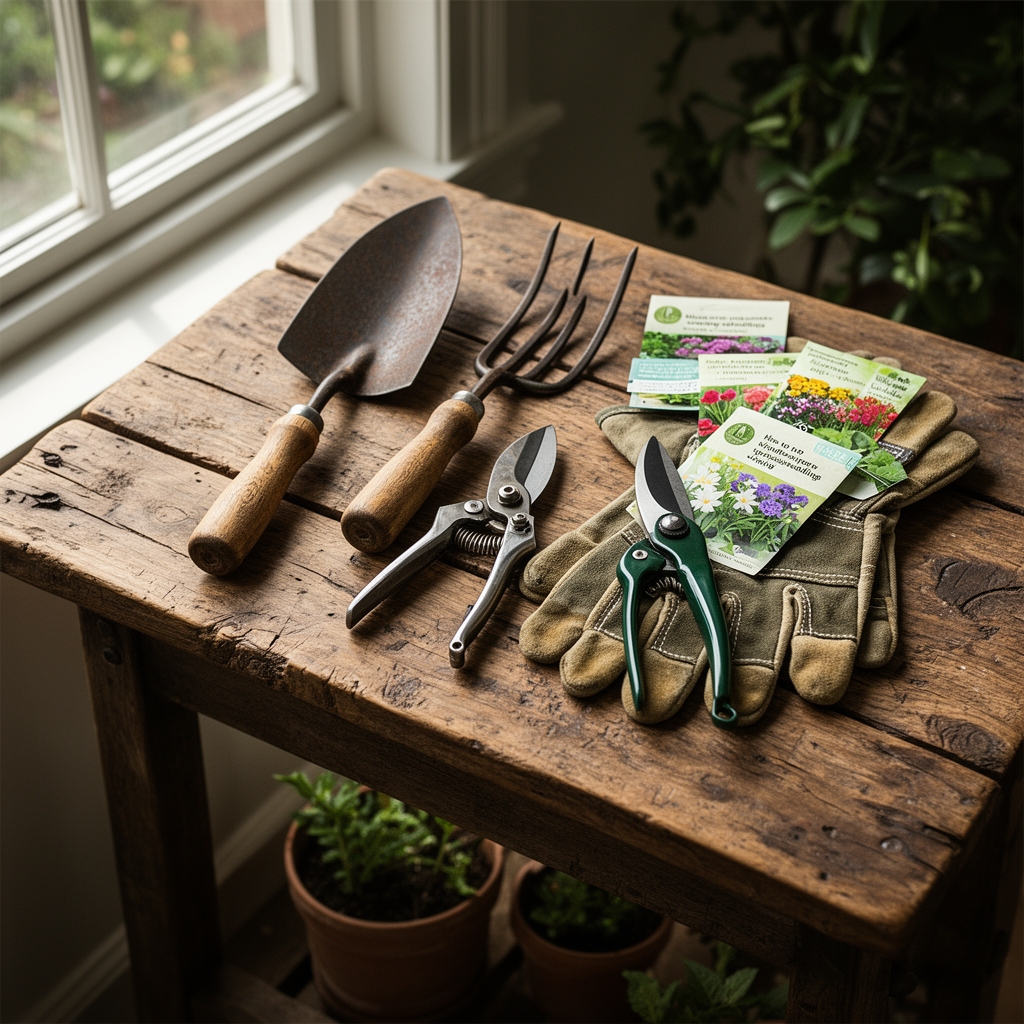
Select a soilless seed-starting mix with a pH of 5.5 to 6.2. These blends typically combine sphagnum peat moss, perlite, and vermiculite in a 2:1:1 ratio by volume. The cation exchange capacity of peat allows for nutrient retention while the mineral amendments ensure drainage and aeration. Avoid garden soil. It harbors damping-off pathogens (Pythium and Rhizoctonia species) and compacts under repeated watering.
For fertilization, use a balanced 4-4-4 organic meal or a water-soluble 5-10-5 synthetic blend after true leaves emerge. The middle number, phosphorus, supports root initiation and energy transfer via ATP molecules. Trace elements such as boron and molybdenum appear in most commercial formulations at 0.02% to 0.05% concentrations.
Seed trays require 2-inch cell depth for short-season crops like lettuce, 3 inches for tomatoes and peppers, and 4 inches for cucurbits. Label each flat with cultivar and sow date using waterproof markers. Purchase a full-spectrum LED grow light rated at 2,000 to 4,000 lumens per square foot if south-facing window exposure falls short of 6 hours daily. Mycorrhizal fungi inoculant, available as granules or powder, colonizes roots and extends phosphorus uptake by a factor of three.
Timing
Hardiness Zones govern sowing schedules. Gardeners in Zone 5 begin indoor propagation between March 1 and March 15 for warm-season crops. Zone 7 operators start February 15. The calculation is straightforward. Tomatoes require 6 to 8 weeks from germination to transplant size. Peppers need 8 to 10 weeks. Brassicas mature faster at 4 to 6 weeks.
Frost-date windows provide the endpoint. The USDA maintains county-level data, but local cooperative extension offices offer more granular predictions. A 10-day margin before the last expected frost date accounts for weather variability. Soil temperature at 4-inch depth must reach 60 degrees Fahrenheit for Solanaceae (tomato, pepper, eggplant) and 50 degrees Fahrenheit for Brassicaceae (cabbage, broccoli, kale). Use a digital probe thermometer at dawn for the most accurate reading.
Phases
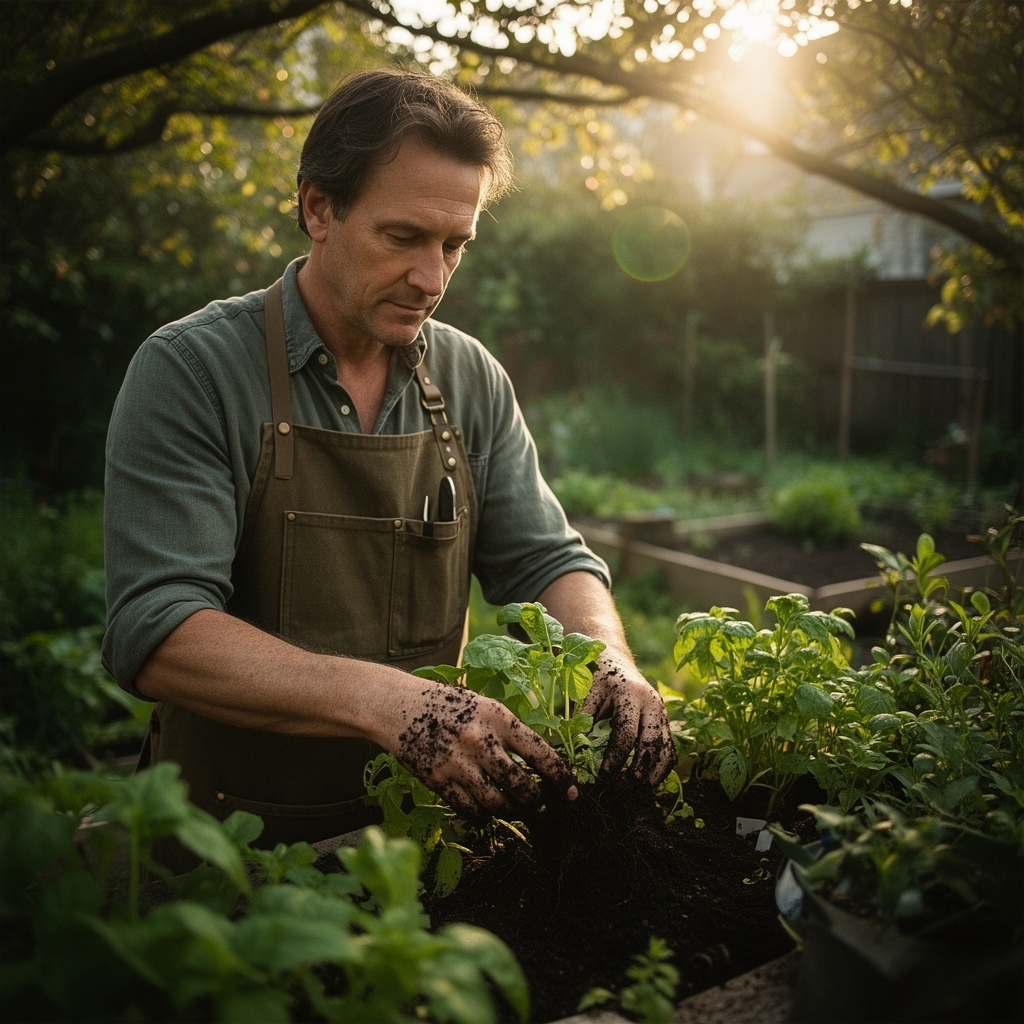
Sowing
Moisten the seed-starting mix until water drips from a squeezed handful. Fill cells to within 0.25 inch of the rim. Sow seeds at a depth equal to twice their diameter. Tomato seeds go 0.25 inch deep. Lettuce seeds remain surface-sown and lightly pressed into contact with the substrate. Cover trays with humidity domes or clear plastic wrap to maintain 90% relative humidity during germination.
Position trays on the windowsill where daytime temperatures range from 70 to 75 degrees Fahrenheit. Germination stalls below 60 degrees and accelerates above 80 degrees, often producing leggy, weak stems. Remove domes immediately when cotyledons break the surface. Apical meristems require unobstructed air circulation to prevent fungal colonization.
Pro-Tip: Dust seeds with mycorrhizal inoculant before sowing. Spores establish symbiotic relationships within 72 hours of root emergence.
Transplanting
Transplant when seedlings display two sets of true leaves. The root ball should resist gentle tugging but not circle the cell wall. Fill 4-inch pots with the same soilless mix or transition to a slightly heavier blend containing 20% compost by volume. Bury tomato and pepper stems up to the first true leaves. Adventitious roots will emerge along the buried portion and expand the absorption zone.
Water transplants with a half-strength fertilizer solution (2-5-3 ratio) to minimize transplant shock. Auxin distribution shifts during this phase. Root apical dominance re-establishes within 48 hours if moisture and temperature remain stable.
Pro-Tip: Trim the lowest leaves at a 45-degree angle with sterilized pruning shears to improve airflow and redirect carbohydrate allocation to upper foliage.
Establishing
Harden off seedlings over 7 to 10 days. Begin with 1 hour of outdoor exposure in dappled shade, increasing duration by 1 hour daily. Full sun exposure on day five, nighttime exposure on day seven. Monitor leaf turgidity. Wilted margins indicate excessive transpiration demand. Increase water frequency to twice daily during hardening.
Apply a 10-10-10 granular fertilizer at 1 tablespoon per square foot of garden bed one week before transplanting into the soil. Incorporate to a depth of 3 inches. Nitrogen supports vegetative growth while phosphorus and potassium bolster stress resistance and fruit set.
Pro-Tip: Inoculate planting holes with Trichoderma harzianum, a saprophytic fungus that outcompetes root pathogens and secretes growth-promoting metabolites.
Troubleshooting
Symptom: Elongated, pale stems (etiolation).
Solution: Reduce distance between seedlings and light source to 2 to 4 inches. Increase daily light duration to 14 to 16 hours. Lower ambient temperature by 5 degrees Fahrenheit to slow cell elongation.
Symptom: Sudden seedling collapse at soil line (damping-off).
Solution: Remove affected plants immediately. Increase air circulation with a small fan. Water only when the top 0.5 inch of substrate feels dry. Apply a biological fungicide containing Bacillus subtilis at labeled rates.
Symptom: Yellowing lower leaves with green veins (nitrogen deficiency).
Solution: Apply a foliar spray of fish emulsion (5-1-1) diluted to half strength. Nitrogen mobilizes from older tissue to support new growth, so symptoms appear basally first.
Symptom: Purple undersides of leaves (phosphorus deficiency).
Solution: Raise substrate temperature to 65 degrees Fahrenheit minimum. Cold soil inhibits phosphorus uptake even when levels are adequate. Supplement with a 0-20-0 liquid fertilizer at quarter strength.
Symptom: White, cottony growth on stems (powdery mildew).
Solution: Prune infected tissue. Spray remaining foliage with a 1:9 milk-to-water solution. Casein proteins disrupt fungal spore germination.
Maintenance
Water seedlings when the top 0.5 inch of substrate dries. This equates to approximately 0.25 cup per 4-inch pot every 2 to 3 days, depending on ambient humidity. Overwatering excludes oxygen from the root zone and promotes anaerobic decay. Insert a moisture meter probe to the cell bottom. Readings below 4 on a 10-point scale indicate irrigation need.
Fertilize weekly with a water-soluble 5-10-5 blend at half the manufacturer's recommended concentration. Excess nitrogen produces lush foliage with poor structural integrity. Leach salts every third watering by applying water until it drains freely from the base, flushing accumulated mineral ions.
Rotate trays 180 degrees daily to ensure uniform light exposure. Phototropism bends stems toward the strongest light source. Rotation maintains symmetrical growth and prevents lodging.
FAQ
How many hours of light do seedlings need?
Provide 14 to 16 hours of light daily. Photoperiod influences stem elongation and leaf expansion. Darkness is essential for respiration and metabolic recovery.
Can I reuse seed-starting mix?
No. Spent mix harbors pathogen spores and has depleted cation exchange sites. Sterilization via oven heating (180 degrees Fahrenheit for 30 minutes) is possible but energy-intensive.
When do I remove humidity domes?
Remove domes immediately upon cotyledon emergence. Prolonged high humidity promotes damping-off fungi and inhibits cuticle hardening.
What temperature kills seedlings?
Sustained exposure below 40 degrees Fahrenheit causes chilling injury in warm-season crops. Cellular membranes lose integrity, and tissue becomes water-soaked.
Should I thin seedlings?
Yes. Thin to one seedling per cell when true leaves appear. Snip excess seedlings at the soil line rather than pulling to avoid root disturbance.