8 Tips to Use a Trenching Shovel for Garden Drainage
Standing water pooling around hostas after a spring rainstorm signals compacted subsoil and inadequate drainage routes. The clay hardpan beneath many suburban gardens prevents root oxygenation and invites fungal pathogens. Using a shovel for garden trenching cuts permanent channels that redirect excess moisture away from planting beds and toward designated discharge points, preserving soil structure and protecting high-value perennials from anaerobic stress.
Materials and Specifications
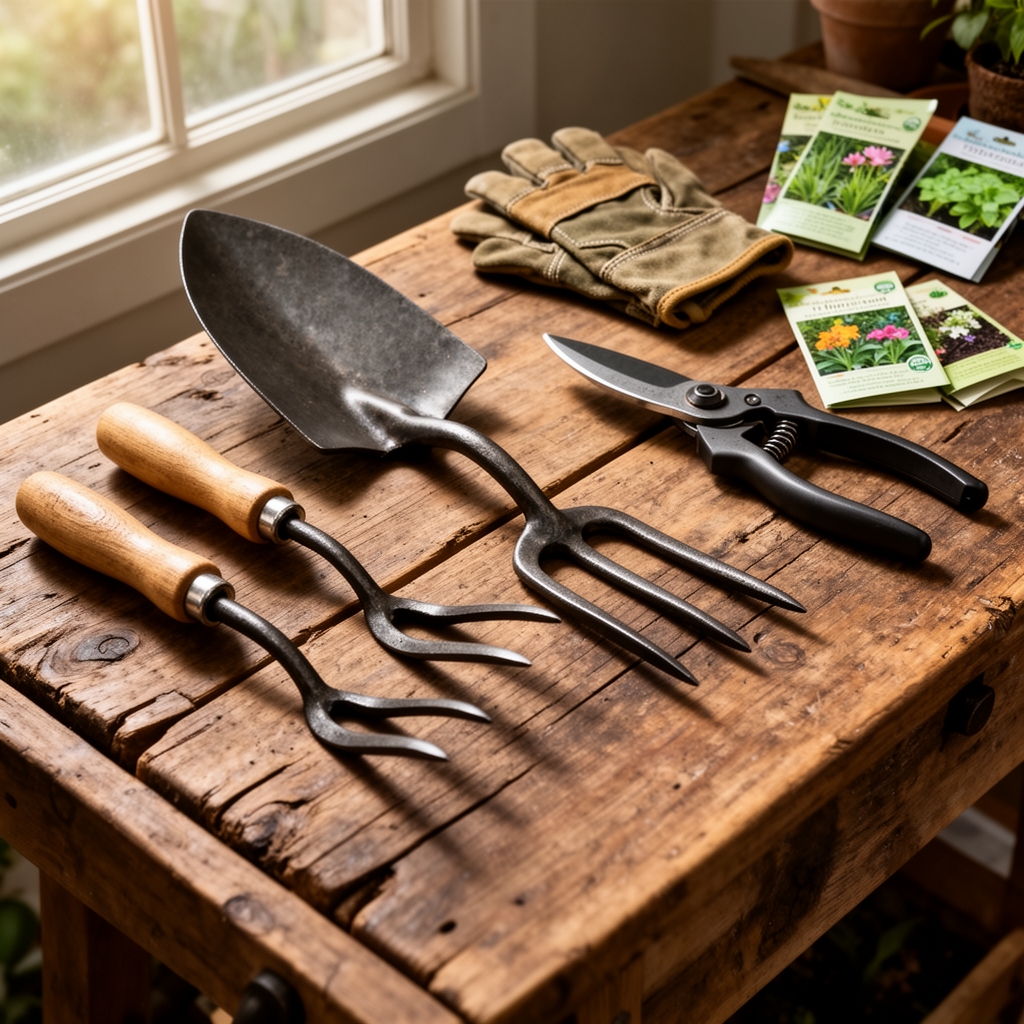
Select a trenching shovel with a blade 4 inches wide and 16 inches long. The narrow profile cuts cleaner channels and disturbs fewer lateral roots than standard spades. Pair this tool with a steel garden rake for grading and a 4-foot level to verify slope consistency. For backfill amendments, source coarse sand with particles between 0.5 and 2.0 millimeters. Avoid mason sand, which compacts and reduces permeability.
Add composted pine bark fines at a 1:3 ratio with native soil to improve cation exchange capacity along trench walls. In alkaline soils above pH 7.5, incorporate elemental sulfur at 1 pound per 10 linear feet to lower pH gradually and prevent calcium carbonate crusting. For nutrient-poor trenches, apply a slow-release 4-4-4 organic meal derived from feather meal, bone meal, and kelp. This balanced NPK supports microbial colonization without promoting excessive vegetative growth in adjacent ornamentals.
Timing and Regional Considerations
Schedule trenching operations in USDA Hardiness Zones 3 through 7 between late summer and mid-autumn, when soil moisture is moderate and ground temperatures remain above 50°F. In Zones 8 through 10, work during the dry season to avoid slumping trench walls. Avoid trenching within 45 days of the first expected hard freeze in northern regions, as freeze-thaw cycles dislodge freshly backfilled material and collapse channels.
Check local frost-date charts to plan installation 60 to 90 days before soil freezes at depth. This window allows settling and microbial establishment before winter dormancy. In regions with monsoonal rainfall patterns, complete trenching before the rainy season begins to prevent erosion and sediment clogging.
Execution Phases

Sowing the Trench Line: Mark the drainage route with landscape flags spaced every 6 feet. Ensure a minimum slope of 2 percent, or 2.4 inches of drop per 10 linear feet, to maintain gravity flow. Steeper slopes exceeding 5 percent accelerate water velocity and increase erosion risk. Use a laser level or string line to verify grade before cutting.
Pro-Tip: Inoculate trench backfill with endomycorrhizal fungi granules at 2 ounces per cubic foot. Glomus intraradices species colonize plant roots along the trench perimeter and improve drought tolerance by extending hyphal networks into moisture reserves.
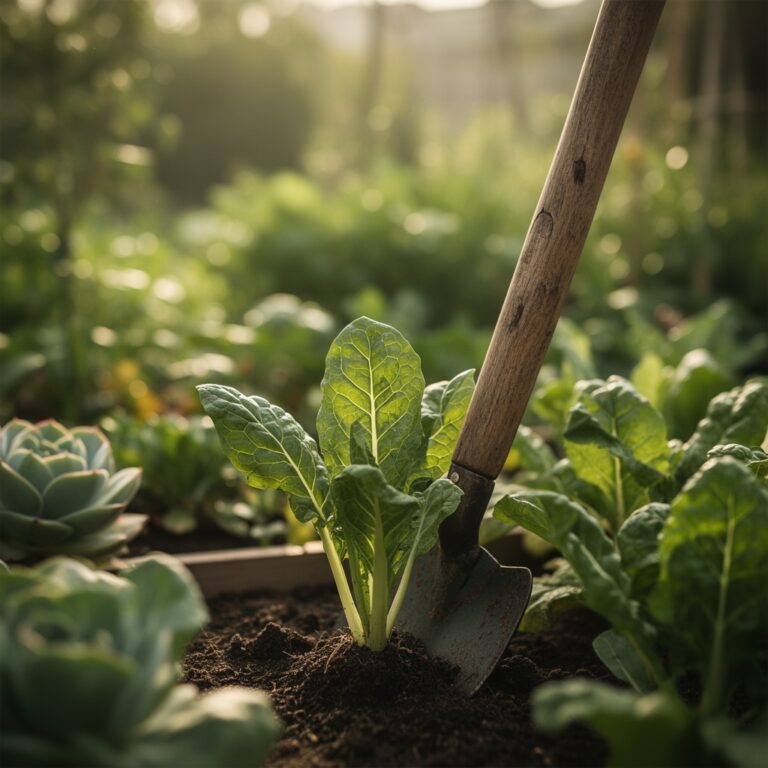
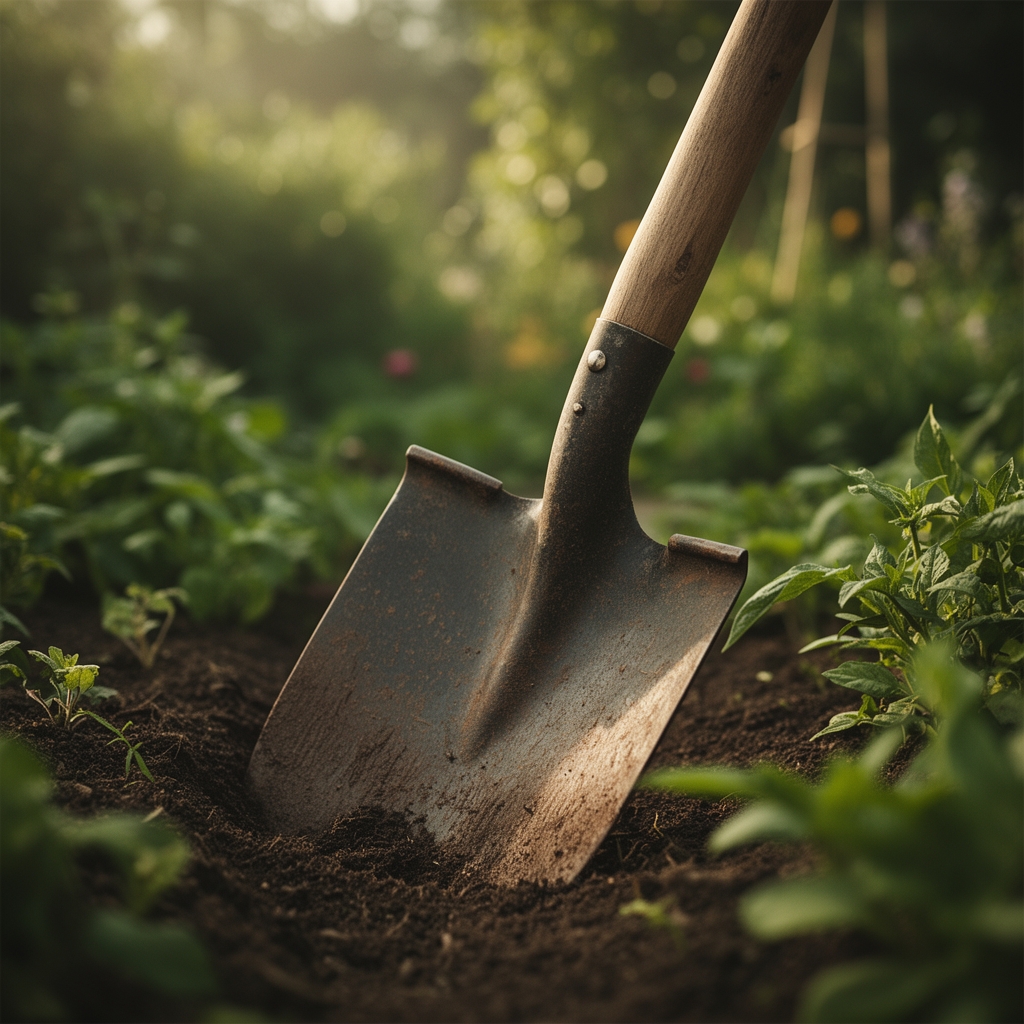
Excavation Technique: Drive the trenching shovel vertically into the soil to full blade depth. Rock the handle forward 15 degrees to fracture the soil plug, then lift and deposit spoil on the downslope side. Maintain a consistent trench width of 4 to 5 inches to prevent sidewall collapse. For trenches exceeding 18 inches deep, shore walls with temporary plywood bracing every 4 feet.
Pro-Tip: Angle blade entry at 88 degrees rather than true vertical to create a slight undercut on the upslope wall. This geometry encourages root penetration and stabilizes the interface between native and amended soil.
Backfilling and Compaction: Layer coarse sand and amended soil in 3-inch lifts. Tamp each lift with a hand tamper to 85 percent compaction, measured by resistance to thumb pressure. Overcompaction reduces infiltration rates and negates drainage benefits. Top the trench with a 1-inch mulch cap of shredded hardwood to suppress weeds and regulate surface evaporation.
Pro-Tip: Install perforated drainage pipe at trench bottom only if depth exceeds 24 inches. Shallow trenches filled with gravel or sand alone provide adequate drainage for most ornamental beds without the expense of pipe and geotextile wrapping.
Troubleshooting Common Failures
Symptom: Trench fills with water and remains saturated 48 hours after rainfall.
Solution: Outlet elevation is too high or discharge point is blocked. Re-excavate the final 10 feet and lower the terminus by an additional 6 inches. Ensure the outlet drains to a rain garden, dry well, or municipal storm system.
Symptom: Soil slumps into trench within two weeks of backfilling.
Solution: Sidewalls were too steep or backfill was not tamped adequately. Re-open the trench, widen walls to a 10-degree batter, and compact in thinner lifts.
Symptom: Adjacent plants exhibit chlorosis and stunted growth.
Solution: Trench intercepts lateral feeder roots. Adjust future trenches to maintain a 24-inch buffer from tree drip lines and shrub root zones. Apply foliar kelp extract at 1 tablespoon per gallon weekly for four weeks to stimulate auxin distribution and compensate for root loss.
Symptom: Sediment clogs trench after heavy rain.
Solution: Upslope erosion introduces particulates. Install a sediment trap, a 12-inch-deep basin filled with 3/4-inch river rock, at the trench inlet to capture suspended solids.
Maintenance Protocols
Inspect trenches biannually in spring and autumn. Remove accumulated leaf litter and sediment using a narrow garden trowel. Flush channels with 1 inch of water from a garden hose to verify flow continuity. Reapply mulch cap annually to maintain 1 inch of coverage and suppress opportunistic weeds like creeping Charlie and nutsedge.
Monitor soil pH every three years using a calibrated electronic meter. Adjust with dolomitic lime at 5 pounds per 100 square feet if pH drops below 6.0 in acid-loving plantings, or add sulfur if pH climbs above 7.0 in alkaline soils. Refresh mycorrhizal inoculant every five years by broadcasting granules at 1 ounce per linear foot and watering in immediately.
Frequently Asked Questions
How deep should a drainage trench be?
Dig 12 to 18 inches deep for perennial beds and 24 inches for areas with heavy clay subsoil or high water tables.
Can I trench near mature trees?
Maintain a minimum 24-inch offset from the drip line to avoid severing structural roots. Feeder roots regenerate within two growing seasons if disturbance is limited.
What slope is necessary for effective drainage?
Achieve a 2 to 3 percent grade, equivalent to 2.4 to 3.6 inches of drop per 10 feet, to sustain gravity-driven flow without erosion.
How long do drainage trenches remain functional?
Properly constructed trenches last 15 to 20 years before sediment accumulation or root intrusion requires re-excavation.
Should I line the trench with landscape fabric?
Omit fabric in shallow trenches. Use non-woven geotextile only when installing perforated pipe to prevent soil migration into perforations.