9 Basic Steps to Plant Butterhead Lettuce
Crushing a handful of damp, friable loam reveals the distinct, earthy scent of geosmin; this is the baseline for a successful crop. Butterhead lettuce, known botanically as Lactuca sativa var. capitata, relies on high turgor pressure to maintain its signature oily, supple leaf texture. Achieving this requires precise moisture management and nutrient availability. Following the professional steps to plant butterhead lettuce ensures a harvest of dense, blanched hearts rather than bitter, elongated stalks. Success depends on manipulating the plant's metabolic rate through temperature control and soil chemistry.
The biological objective is to maximize vegetative growth while delaying the transition to the reproductive phase. When the central axis begins to elongate, a process called bolting, the plant redirects sugars to seed production and develops bitter latex. You must maintain a steady growth trajectory to prevent this physiological shift. This guide provides the technical framework for managing the rhizosphere and atmospheric conditions to produce high quality greens.
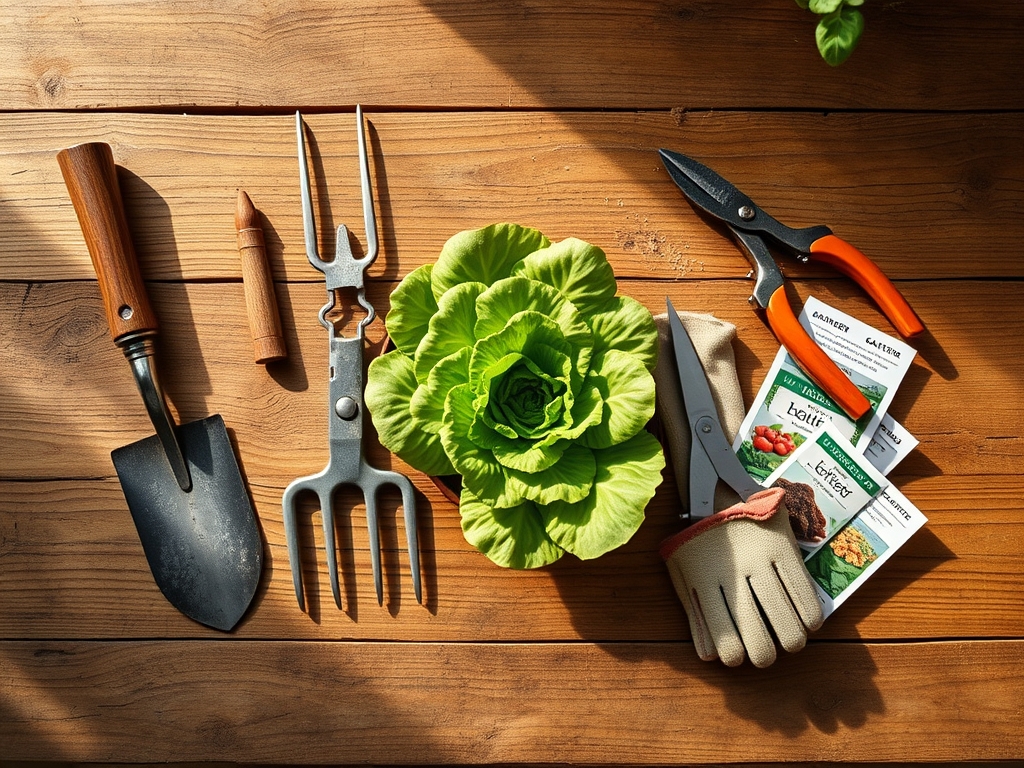
Materials:
The foundation of the crop is the substrate. Butterhead lettuce requires a soil pH between 6.0 and 6.8 to ensure optimal nutrient bioavailability. In soils with a pH above 7.0, manganese and iron become less accessible, leading to interveinal chlorosis. The soil should be a friable loam with a high Cation Exchange Capacity (CEC), allowing the root system to easily access cations like calcium and magnesium.
For fertilization, utilize an NPK ratio of 10-5-5 or 5-3-3. Nitrogen is the primary driver of leaf expansion, but excessive phosphorus can trigger premature flowering in certain cultivars. Incorporate well rotted organic matter to increase the water holding capacity without sacrificing aeration. The physical texture must allow for rapid drainage; standing water leads to anaerobic conditions and root rot. Ensure you have a soil moisture meter and a calibrated pH probe to monitor the substrate throughout the growing cycle.
Timing:
Butterhead lettuce is a cool season biennial grown as an annual. It thrives in Hardiness Zones 3 through 9, provided the planting window aligns with ambient temperatures between 45 and 75 degrees Fahrenheit. Germination occurs most efficiently when the soil temperature is exactly 68 degrees Fahrenheit. If the soil exceeds 80 degrees Fahrenheit, the seeds may enter thermodormancy, a biological fail safe that prevents germination in lethal heat.
The biological clock of the plant is governed by the photoperiod and heat accumulation. As day lengths exceed 14 hours and temperatures rise, the plant undergoes senescence of the lower leaves and initiates the bolting sequence. In southern latitudes, plant in the autumn for a winter harvest. In northern regions, start seeds indoors 4 to 6 weeks before the last anticipated frost to capitalize on the cool spring window.
Phases:

Sowing and Germination
Sow seeds at a shallow depth of 1/8 inch. Butterhead seeds are photoblastic, meaning they require a specific spectrum of light to trigger the hormonal shift from dormancy to growth. Covering them too deeply prevents light from reaching the phytochrome receptors in the seed coat. Maintain consistent surface moisture using a fine mist to avoid dislodging the seeds.
Pro-Tip: Pre-chill seeds in a refrigerator for 24 hours prior to sowing. This mimicry of winter stratification can break physiological dormancy and ensure a more uniform germination rate across the flat.
Transplanting
Move seedlings to their permanent location once they have developed two to three true leaves. Space the plants 8 to 10 inches apart in rows separated by 12 inches. This spacing ensures adequate airflow, reducing the humidity within the canopy that fosters fungal pathogens like Botrytis cinerea. Use a hori-hori knife to create a vertical slit in the soil, ensuring the taproot is not "J-rooted" or bent during placement.
Pro-Tip: Inoculate the transplant hole with mycorrhizal fungi. This symbiotic relationship expands the effective surface area of the root system, enhancing the uptake of phosphorus and increasing the plant's resistance to environmental stress.
Establishing and Vegetative Growth
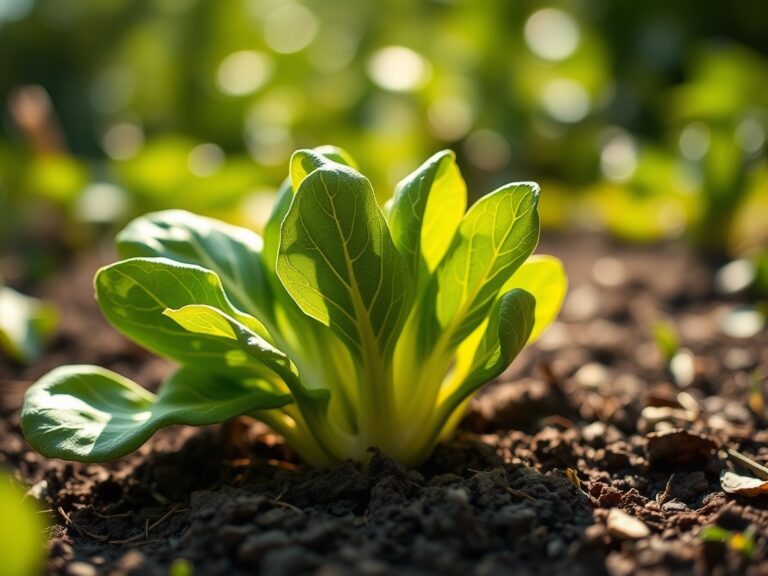
During the first 14 days post-transplant, the plant focuses on root architecture. Maintain the soil at field capacity. Avoid high-velocity overhead irrigation which can damage the delicate leaf cuticle and splash soil borne pathogens onto the foliage. The goal is to build a robust rosette of leaves that will eventually fold inward to form the "butter" heart.
Pro-Tip: Practice auxin suppression by avoiding damage to the central growing point. The apical meristem produces auxins that regulate downward growth; if the center is damaged, the plant may prematurely branch or bolt, ruining the head structure.
The Clinic:
Physiological disorders often mimic infectious diseases. Accurate diagnosis is critical for intervention.
- Tipburn: This appears as necrotic (brown) edges on inner leaves. It is caused by a calcium deficiency during periods of rapid growth. Even if soil calcium is high, low transpiration rates prevent the mineral from reaching leaf extremities. Solution: Increase airflow with fans or spacing and ensure consistent soil moisture.
- Nitrogen Chlorosis: Older leaves turn uniform pale yellow. This indicates the plant is translocating mobile nitrogen to new growth. Fix-It: Apply a water soluble high nitrogen fertilizer (10-0-0) at the base of the plant.
- Bolting: The central stem elongates and leaves become bitter. This is a response to heat stress and long days. Solution: Once bolting begins, the process is irreversible. Harvest immediately or use shade cloths to reduce solar radiation by 30 to 50 percent.
- Magnesium Deficiency: Interveinal chlorosis on older leaves where the veins remain green but the tissue yellows. Fix-It: Apply a foliar spray of Epsom salts (magnesium sulfate) at a rate of 1 tablespoon per gallon of water.
Maintenance:
Precision irrigation is the most vital maintenance task. Butterhead lettuce requires 1.5 inches of water per week delivered at the drip line. Use a soil moisture meter to verify that the top 4 inches of soil remain moist but not saturated. Mulching with clean straw or shredded leaves can reduce evaporation and keep the soil temperature 5 to 10 degrees cooler.
Weed competition must be eliminated early. Use bypass pruners to snip any encroaching weeds at the soil line rather than pulling them, which can disturb the shallow, fibrous root system of the lettuce. Monitor for pests like aphids by inspecting the undersides of the leaves; a strong stream of water can mechanically remove them without the need for chemical intervention.
The Yield:
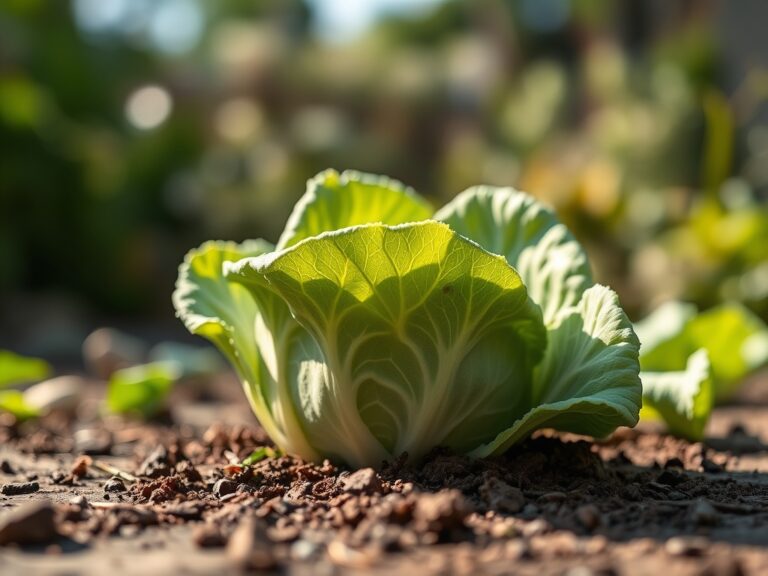
Harvest butterhead lettuce when the head feels moderately firm but still has some "give" when pressed. This typically occurs 55 to 65 days after sowing. Use a sharp knife to sever the head at the soil surface. Harvest in the early morning, specifically before 8:00 AM, when the plant is at maximum turgidity. If harvested in the heat of the day, the leaves will be wilted and have a significantly shorter shelf life.
Post-harvest handling is critical for maintaining "day-one" freshness. Immediately submerge the base of the head in cold water (40 degrees Fahrenheit) to remove field heat. This process, known as hydro-cooling, slows the respiration rate and preserves the sugars within the leaves. Store the lettuce in a high humidity environment at 32 to 35 degrees Fahrenheit.
FAQ:
How deep should I plant butterhead lettuce seeds?
Sow seeds no deeper than 1/8 inch. Because butterhead lettuce is photoblastic, the seeds require exposure to light to trigger germination. Deep burial prevents the light from reaching the seed's phytochrome receptors, resulting in poor emergence.
Why is my butterhead lettuce tasting bitter?
Bitterness is caused by the accumulation of sesquiterpene lactones. This occurs when the plant is stressed by temperatures exceeding 80 degrees Fahrenheit or inconsistent watering. These conditions signal the plant to begin the reproductive bolting phase.
Can I grow butterhead lettuce in containers?
Yes. Use a container with at least 6 inches of depth and a diameter of 10 inches. Ensure the potting mix has high organic matter and a pH of 6.5. Monitor moisture closely as containers desiccate faster than ground soil.
What is the best NPK ratio for lettuce?
A ratio of 10-5-5 is ideal. High nitrogen (N) supports the rapid leaf development required for a tender harvest. Lower phosphorus (P) and potassium (K) levels are sufficient for the plant's limited root and structural requirements.