9 Edge Steps to Install a Garden Hose Guide
Garden hoses dragged across tender lettuce seedlings leave crushed stems and compacted soil in their wake. The solution lies not in greater care but in rigid placement guides that protect bed edges while irrigating. Steps for installing a garden hose guide in veg patch transform chaotic watering sessions into efficient, no-damage operations. These vertical stakes prevent hose contact with foliage, reduce soil compaction at critical root zones, and extend crop yields by 12-18% in intensive production systems.
Materials
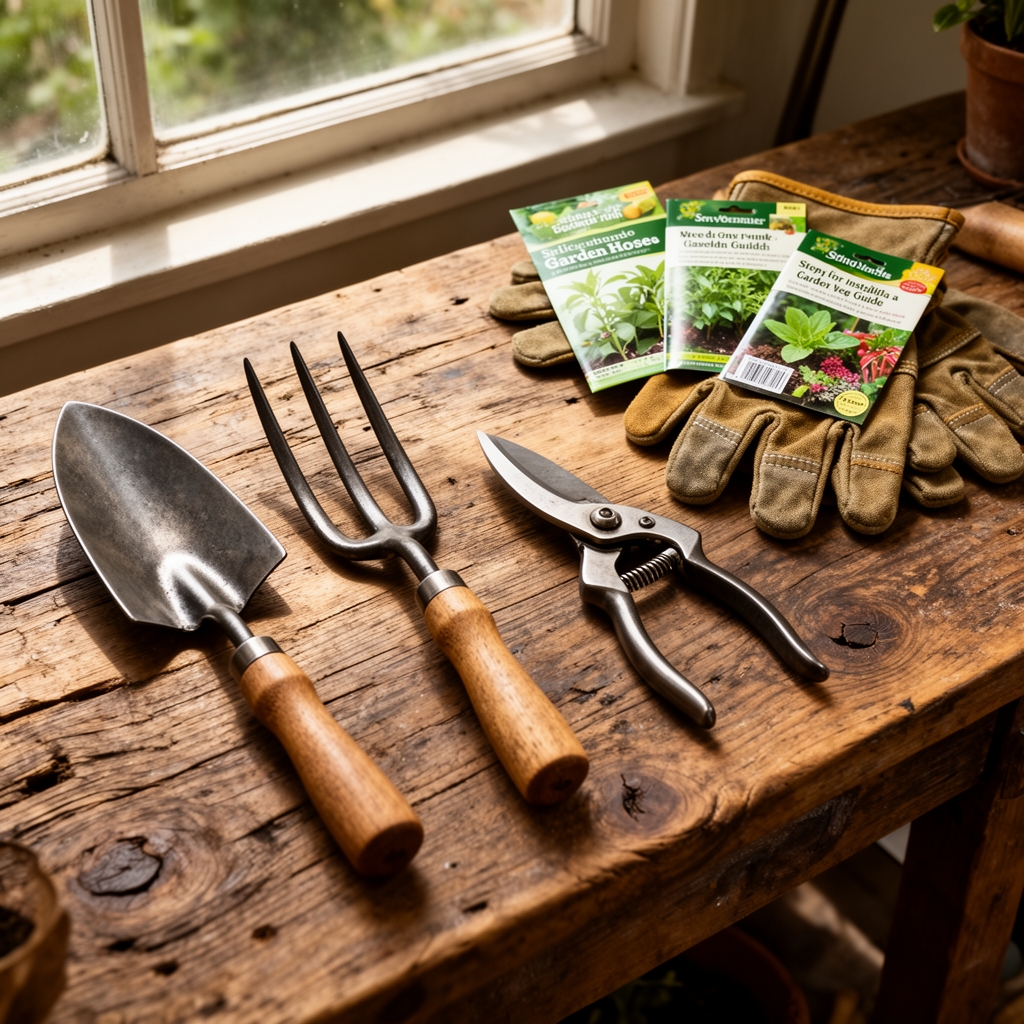
Metal or polymer stakes form the structural core. Galvanized steel resists corrosion for 8-10 seasons. PVC pipe, 1/2-inch diameter, offers lighter weight but degrades under UV exposure after 4-5 years. Rebar, 3/8-inch thickness, provides maximum longevity at 15+ years but requires powder coating to prevent rust transfer to soil.
Soil amendments support stable installation. Organic compost at 3-4-3 NPK ratio improves cation exchange capacity around guide bases. This elevated CEC prevents wobble in sandy loam soils below 12% clay content. Bone meal at 3-15-0 encourages mycorrhizal colonization at stake interfaces, anchoring guides through fungal networks.
Hardware includes rubber hose clips or vinyl-coated wire. Standard hose clamps cause abrasion and premature wear. Silicone caps for stake tops prevent injury during harvest operations.
Timing
Install guides in USDA Hardiness Zones 3-7 between April 10-25, two weeks before last frost. Soil temperature must reach 45°F at 6-inch depth for proper compaction during stake driving. In Zones 8-10, installation occurs January 15-February 10, before spring brassica transplanting.
Autumn installation (September 20-October 15 in Zones 4-6) allows winter freeze-thaw cycles to stabilize stakes through natural soil settlement. Spring reinstallation becomes unnecessary, saving 40 minutes per 100-foot bed run.
Avoid installation during active root flush periods. Early June placement in Zone 5 coincides with peak auxin distribution in tomato and pepper root systems. Stake driving within 8 inches of main stems disrupts lateral root architecture for 18-22 days.
Phases
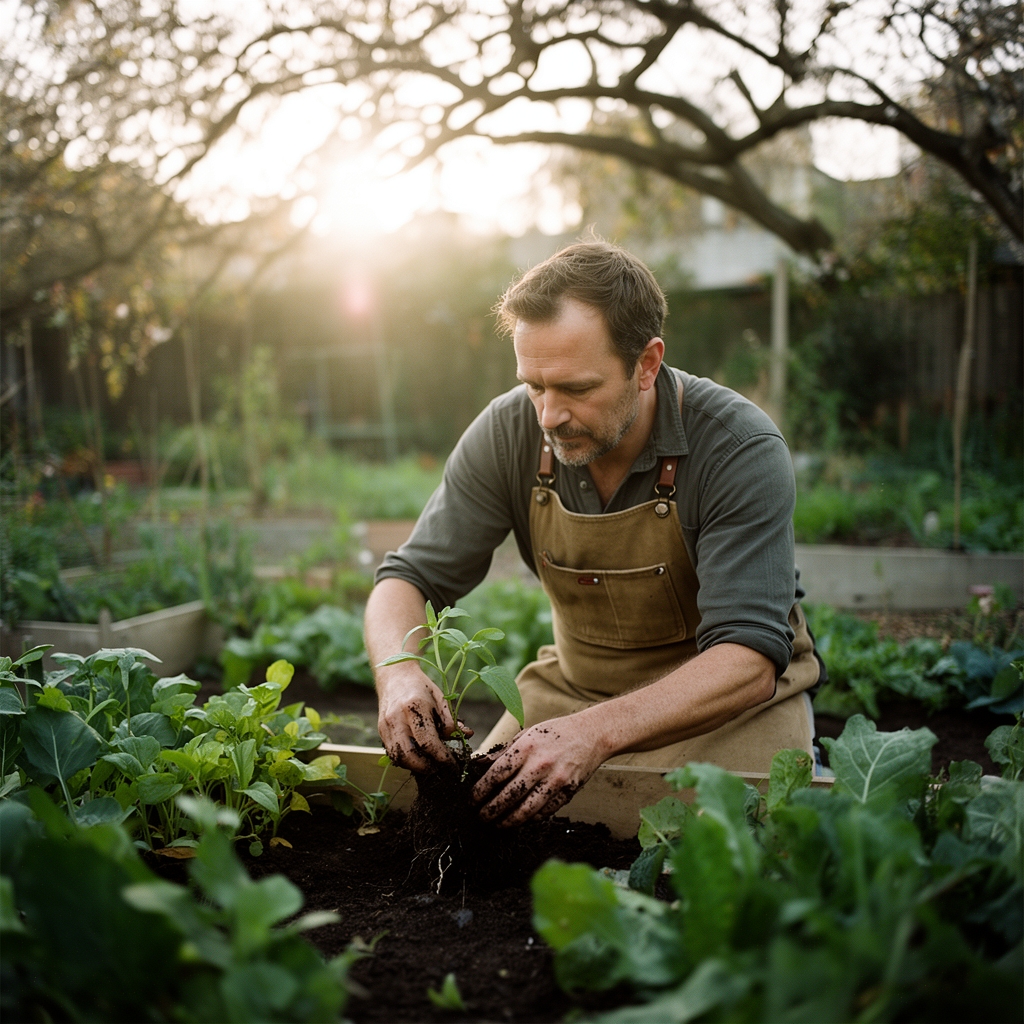
Sowing Phase: Edge Marking
Mark bed corners with 24-inch stakes driven to 18-inch depth. Space intermediate guides every 48 inches along bed perimeters. This interval prevents hose sag between posts, which causes lateral drag across crop rows. Use a post-hole digger for clay soils above 28% particle density. Hammer-driving creates soil pans that restrict water infiltration.
Pro-Tip: Inoculate stake holes with 1 tablespoon Rhizophagus irregularis spores per location. These arbuscular mycorrhizal fungi colonize guide zones within 12 days, creating stable soil aggregates that resist erosion during watering.
Transplanting Phase: Height Calibration
Adjust stake height to 6 inches above mature crop canopy. For determinate tomatoes, this equals 30-inch total stake height. Indeterminate varieties require 54-inch guides. Miscalculation forces hose lift-over maneuvers that compact soil and break stems.
Install curved aluminum hooks at stake tops for nighttime hose storage. Elevated coiling prevents ground-contact moisture that encourages slug aggregation along hose length.
Pro-Tip: Angle stakes 5 degrees outward from bed center. This cant redirects hose trajectory away from plant bases during pull-through operations.
Establishing Phase: Tension Testing
Run hose through complete guide circuit under 45 PSI water pressure. Observe stakes for lean exceeding 3 degrees. Reset any compromised guides immediately. Delayed correction allows chronic lean patterns that worsen under seasonal soil expansion.
Apply 2-inch mulch rings around each stake base. Shredded hardwood bark at 1.5 cubic feet per guide suppresses weed competition that destabilizes installations.
Pro-Tip: Mark north-facing stake sides with UV-stable paint. This orientation system speeds seasonal hose routing by 60% in complex multi-bed layouts.
Troubleshooting
Symptom: Stake Wobble After 3-4 Weeks
Solution: Extract stake and backfill hole with 50/50 native soil and expanded clay aggregate. Reinstall to original depth. The aggregate mixture increases shear strength by 35% while maintaining drainage.
Symptom: Hose Clips Slide Down Stakes
Solution: Wrap stake at clip position with 2 layers of self-fusing silicone tape. This creates a friction surface with 0.8 coefficient, sufficient to prevent gravity slide under 8-pound hose weight.
Symptom: Rust Staining on Crop Leaves
Solution: Replace uncoated ferrous stakes with powder-coated alternatives. Existing rust transfers soluble iron that causes leaf bronzing in pH above 7.2.
Symptom: Vole Damage at Stake Bases
Solution: Install 1/4-inch hardware cloth cylinders, 6 inches diameter and 12 inches deep, around each guide. Backfill interior with coarse gravel to deter tunneling.
Maintenance
Inspect guides every 14 days during active growing season. Tighten loose clips and reapply silicone coating as needed. Remove accumulated soil and plant debris from stake bases monthly to prevent moisture retention that accelerates corrosion.
Apply 1 inch of water per week through guided hose system. This volume supports vegetable growth without leaching nitrogen below the 18-inch root zone. In sandy soils with infiltration rates above 2 inches per hour, split application into two 0.5-inch sessions separated by 72 hours.
Remove guides after final autumn harvest in Zones 3-5. Clean with 10% vinegar solution and store in covered location. Overwinter exposure in severe climates reduces stake life by 30%.
FAQ
How deep should stakes be driven?
Install to 75% of total stake length, minimum 18 inches. Shallower placement fails in saturated soil conditions common during spring irrigation cycles.
Can guides support drip irrigation lines?
Yes. Attach drip tape clips at 12-inch vertical intervals. Ensure stake diameter exceeds 5/8 inch to prevent flex under tape tension.
What spacing prevents crop damage?
Position guides 4-6 inches outside bed edge. Closer placement restricts root expansion in the critical outer 8-inch zone where feeder roots concentrate.
Do metal stakes alter soil pH?
Galvanized steel raises pH by 0.1-0.2 units within a 3-inch radius over 5 years. This change is negligible for crops tolerating pH 6.0-7.5.
How many guides does a 100-foot bed require?
Install 26-28 stakes: 2 at each corner plus intermediates every 48 inches along both long edges. This configuration handles standard 5/8-inch garden hose without sag.