6 Best High-Capacity Plant Humidifiers for Tropical Humidity
The scent of damp forest floor and the tactile snap of a leaf under high turgor pressure define the success of a tropical indoor collection. When relative humidity drops below 50 percent, the stomata of Calathea and Anthurium close to prevent desiccation; this halts photosynthesis and leads to marginal necrosis. Maintaining a consistent vapor pressure deficit requires high-capacity equipment. Selecting the best plant humidifiers ensures that the transpiration rate remains balanced with root uptake. Without a consistent 60 to 80 percent humidity range, even the most precise irrigation schedule cannot prevent the cellular collapse seen in high-value tropicals. A professional setup treats the air as a critical substrate. High-capacity ultrasonic and evaporative units provide the necessary moisture volume to saturate large grow rooms or greenhouses. This guide focuses on the technical integration of moisture delivery systems and the physiological requirements of the plants they support.
Materials:
Tropical plants requiring high humidity generally thrive in a **friable loam** with a high Cation Exchange Capacity (CEC). The ideal substrate consists of **40 percent orchid bark, 30 percent coco coir, 20 percent perlite, and 10 percent worm castings**. This mixture ensures a soil pH between **5.8 and 6.5**, which is the optimal window for nutrient bioavailability. Nitrogen (N), Phosphorus (P), and Potassium (K) ratios should be maintained at a **3-1-2** ratio for vegetative growth. High-capacity humidifiers mitigate the risk of salt buildup in the rhizosphere by slowing the rate of evaporation from the soil surface. A substrate with a CEC of **15 to 25 meq/100g** allows the plant to retain essential cations like Calcium and Magnesium even when the humidifier is running at peak output.
Timing:
Cultivating tropicals in non-tropical environments requires strict adherence to the biological clock. Most species are native to regions equivalent to USDA Hardiness Zones 10 through 12. In indoor settings, the "frost date" is replaced by the activation of central heating systems, which can drop ambient humidity to a lethal 15 percent. The transition from the vegetative stage to the reproductive stage is often triggered by the photoperiod. For most tropicals, a 12 to 14 hour light cycle is required. Humidifiers must be scaled to run for 18 to 24 hours daily during the winter months to prevent the plant from entering premature senescence due to environmental stress.
Phases:
Sowing and Propagation
The initial phase requires a constant 90 percent relative humidity to support cell division in cuttings or germinating seeds. Using a high-capacity humidifier with a built-in hygrostat allows for precise control over the propagation bench.
Pro-Tip: High humidity reduces the transpiration pull on unrooted cuttings. This allows the plant to redirect energy from water transport to the development of adventitious roots via auxin accumulation at the base of the stem.
Transplanting
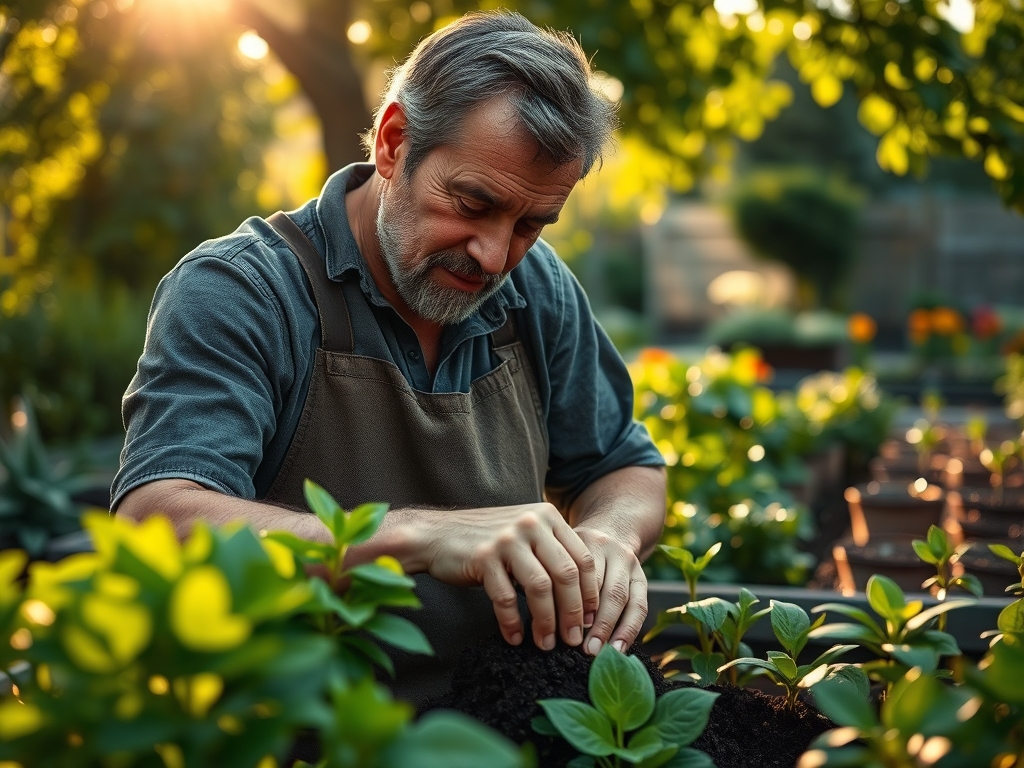
When moving a plant to a larger vessel, the root hairs are highly susceptible to desiccation. Maintain a humidity level of 75 percent for the first 14 days post-transplant. Ensure the new medium is pre-saturated to the point of field capacity.
Pro-Tip: Maintaining high atmospheric moisture during transplanting prevents a "transplant shock" induced by sudden turgor loss. This protects the mycorrhizal symbiosis within the rhizosphere as the fungi extend into the new substrate.
Establishing
An established plant in a 10-gallon container requires roughly 2 to 4 liters of water vapor per day to maintain its microclimate. The best plant humidifiers for this phase are those with a reservoir capacity of at least 6 liters to ensure uninterrupted operation.
Pro-Tip: Consistent humidity levels prevent the plant from over-relying on root pressure for cooling. This balances the transpiration stream, allowing for a steady flow of calcium to the leaf tips, which prevents tip burn.
The Clinic:
Physiological disorders often mimic pathogen attacks but are frequently rooted in environmental instability.
Symptom: Interveinal chlorosis on new growth.
Solution: This is often a sign of Manganese or Iron deficiency. Check the soil pH. If it is above 7.0, the plant cannot uptake these micronutrients. Lower the pH using sulfur-based acidifiers.
Symptom: Leaf curling and crispy brown edges.
Solution: This indicates a high Vapor Pressure Deficit (VPD). The air is too dry, causing the plant to lose water faster than the roots can provide. Increase humidifier output to reach at least 60 percent RH.
Symptom: Oedema (small bumps or blisters on the underside of leaves).
Solution: This occurs when the roots take up more water than the leaves can transpire. This is common when high humidity is paired with low light. Increase airflow using a circulation fan to encourage gas exchange.
Fix-It: Nitrogen Chlorosis
If older leaves are turning uniform yellow, the plant is scavenging Nitrogen to support new growth. Apply a water-soluble fertilizer with an NPK of 10-5-5 at half strength. Ensure the soil moisture meter reads in the "moist" range before applying to avoid root burn.
Maintenance:
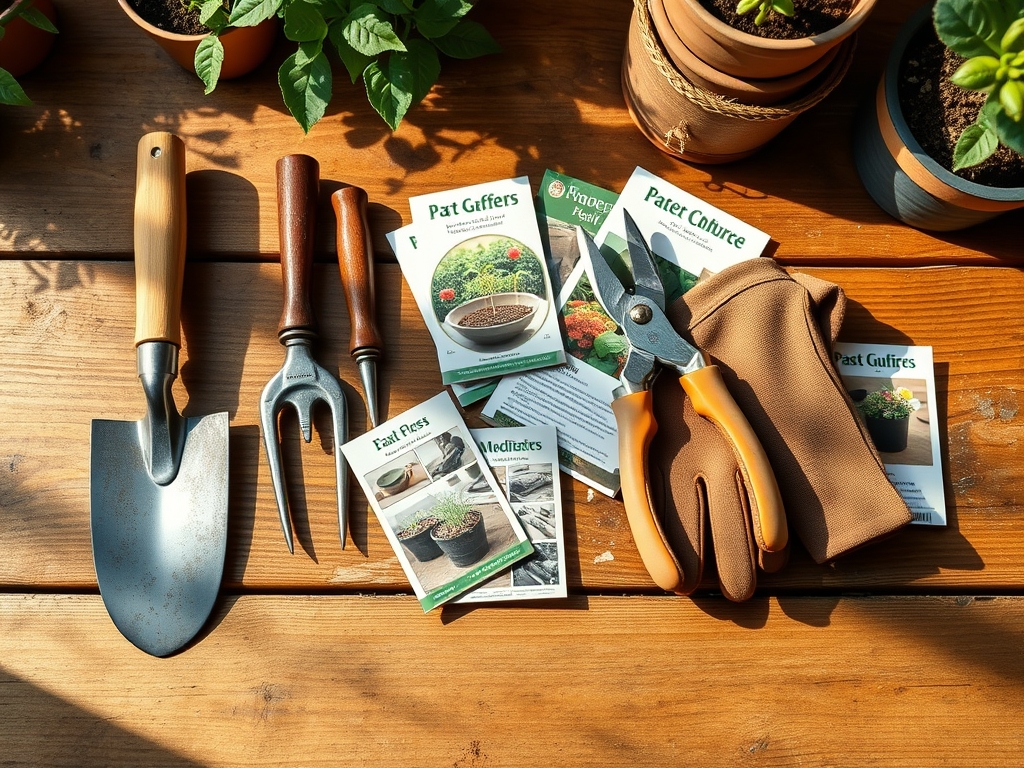
Precision maintenance prevents mechanical failure and plant decline. Use a soil moisture meter daily to check the top 3 inches of the substrate. Most tropicals require 1.5 inches of water per week delivered at the drip line to ensure deep root penetration. Use a hori-hori knife to check for soil compaction every six months; if the blade cannot penetrate easily, the soil needs aeration. Use bypass pruners to remove any yellowing foliage at the petiole base to prevent the spread of opportunistic fungi. Humidifiers must be cleaned weekly with a 10 percent vinegar solution to prevent the accumulation of mineral scale and biofilm, which can disperse pathogens into the air.
The Yield:
For those growing tropical flowers like Heliconia or Ginger, harvest when the first bract begins to open. Use a sharp, sterilized blade to cut the stem at a 45-degree angle. Immediately submerge the cut end in 110-degree Fahrenheit water to break any air embolisms in the xylem. This technique ensures "day-one" freshness and extends the vase life by up to 7 days. Keep harvested blooms in an area with at least 50 percent humidity to prevent petal wilting.
FAQ:
What is the ideal humidity for most tropical houseplants?
Most tropical species require a relative humidity between 60 and 80 percent. Dropping below 50 percent can cause stomatal closure, which halts growth and leads to brown leaf edges and reduced turgor pressure.
How often should I clean my plant humidifier?
Clean the unit every 7 days using a diluted white vinegar solution. This prevents the growth of bacteria and mold within the reservoir, which could otherwise be aerosolized and settle on your plant foliage, causing fungal issues.
Can I use tap water in my high-capacity humidifier?
Distilled or demineralized water is preferred. Tap water contains minerals that create "white dust," which can clog the stomata on plant leaves and interfere with the plant's ability to "breathe" and photosynthesize effectively.
Where is the best place to position a humidifier?
Place the humidifier 3 to 5 feet away from the plants. Ensure there is a circulation fan nearby to move the moist air. Avoid blowing mist directly onto leaves, as standing water can encourage the development of foliar pathogens.