6 Vibrancy Benefits of Specialized Succulent Fertilizer
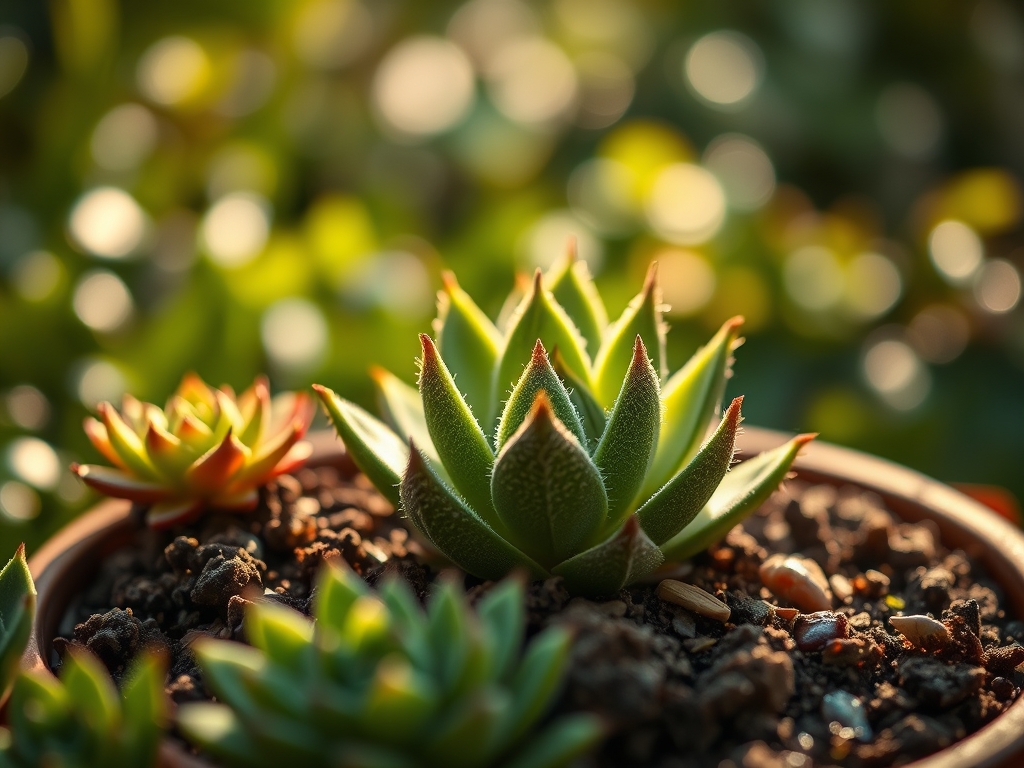
The snap of a Crassula ovata leaf under pressure reveals the internal turgor that defines a healthy specimen. When the cellular walls are fully hydrated and reinforced by mineral salts, the plant feels heavy and cold to the touch. Achieving this physiological state requires more than sporadic watering. Using a specialized succulent fertilizer ensures the plant receives a precise balance of macro and micronutrients without the risk of osmotic shock. Standard fertilizers often contain high nitrogen levels that trigger rapid, weak growth. This results in elongated stems and thin cell walls prone to fungal infection. A specialized formula targets the specific metabolic pathways of CAM (Crassulacean Acid Metabolism) plants. These species fix carbon dioxide at night to minimize evapotranspiration. By providing a low-nitrogen, high-potassium ratio, the gardener supports the structural integrity of the parenchyma tissue. The result is a plant with a dense, compact form and a robust root system capable of surviving prolonged desiccation. This technical approach moves beyond mere survival into the realm of optimized botanical performance.
Materials:

The foundation of succulent health is the substrate and its Cation Exchange Capacity (CEC). Most succulents thrive in a soil pH between **6.0 and 6.5**. A friable loam mixed with **40 percent inorganic grit** such as pumice or calcined clay is ideal. This ensures a high macropore space for oxygen diffusion to the rhizosphere. Using a specialized succulent fertilizer requires a specific NPK ratio, typically **1-2-2 or 2-7-7**.
High phosphorus levels (the middle number) encourage root elongation and floral initiation. Potassium (the third number) regulates stomatal opening and water retention. Avoid organic fertilizers with high urea content; succulents lack the high concentrations of urease enzymes needed to break down these complex molecules quickly. Instead, look for nitrate-based nitrogen sources that are immediately bioavailable. Ensure you have a digital pH probe and a calibrated measuring syringe for precise dosage.
Timing:
Succulents operate on a strict biological clock dictated by the photoperiod and ambient temperature. Most species enter a state of semi-dormancy when temperatures exceed 90 degrees Fahrenheit or drop below 50 degrees Fahrenheit. In Hardiness Zones 9 through 11, the primary growth window occurs during the shoulder seasons of spring and autumn.
Fertilization must align with the transition from the vegetative stage to the reproductive stage. For summer-growers, initiate the feeding schedule two weeks after the last frost date, typically when night temperatures stabilize above 55 degrees Fahrenheit. Stop all supplemental feeding eight weeks before the first expected frost. This allows the plant to undergo senescence in its newer growth, hardening the cell walls against ice crystal formation. Forcing growth with nutrients too late in the season results in "soft" tissue that will liquefy during a freeze.
Phases:

Sowing and Germination
When starting succulents from seed, the substrate must be pasteurized to prevent "damping off" caused by Pythium fungi. Maintain a constant temperature of 72 to 78 degrees Fahrenheit. Do not apply fertilizer until the first set of true leaves appears. At this stage, use a quarter-strength dilution of specialized fertilizer to avoid burning the delicate primary root.
Pro-Tip: Seedlings exhibit strong positive phototropism. Rotate the seed tray 180 degrees every 48 hours to prevent auxin accumulation on the shaded side of the stem, which causes leaning and structural weakness.
Transplanting
When moving a succulent to a larger vessel, inspect the root architecture. Use a hori-hori knife to tease out any girdling roots. The new container should only be 1 inch wider than the root ball. Wait seven to ten days after transplanting before using a specialized succulent fertilizer. This allows the roots to callous over any micro-fractures sustained during the move.
Pro-Tip: Delaying fertilization after transplanting encourages the search for nutrients, stimulating the development of fine root hairs. This increases the overall surface area of the root system for better future nutrient uptake.
Establishing and Maintenance
Once established, the focus shifts to maintaining cellular turgor and pigment density. Apply fertilizer every second or third watering during the active growth phase. Use a soil moisture meter to ensure the substrate is at 10 percent moisture or less before adding liquid nutrients. This "soak and dry" method mimics the natural desert pulses of nutrient availability.
Pro-Tip: Succulents utilize mycorrhizal symbiosis to access phosphorus in nutrient-poor soils. Using a specialized succulent fertilizer with a low salt index protects these beneficial fungi from dehydration, ensuring a long-term symbiotic relationship.
The Clinic:
Physiological disorders in succulents often mimic pest damage but are usually rooted in nutrient imbalances or environmental stress.
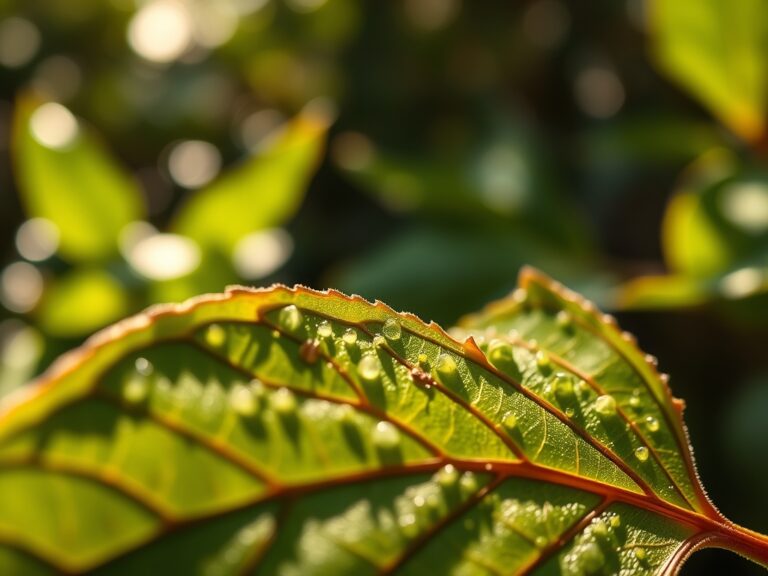
Symptom: Interveinal Chlorosis (yellowing between leaf veins).
Solution: This indicates a Magnesium deficiency. Magnesium is the central atom in the chlorophyll molecule. Fix this by applying a specialized fertilizer containing 0.5 percent chelated magnesium.
Symptom: Tip Burn or Necrosis on new growth.
Solution: This is often Calcium deficiency or "salt burn." If the soil pH is below 5.5, calcium becomes unavailable. Flush the substrate with three volumes of distilled water and adjust the pH to 6.3.
Symptom: Etiolation (stretched, pale stems).
Solution: This is a light deficiency, not a nutrient issue. However, high nitrogen levels exacerbate the stretching. Reduce nitrogen and increase light intensity to 2,000 foot-candles minimum.
Fix-It for Nitrogen Chlorosis: If the entire plant turns a uniform pale green or yellow, it lacks nitrogen. Apply a 5-10-10 specialized liquid feed at half strength. You should see a return to deep green coloration within 14 days as nitrogen is a mobile nutrient within the plant.
Maintenance:
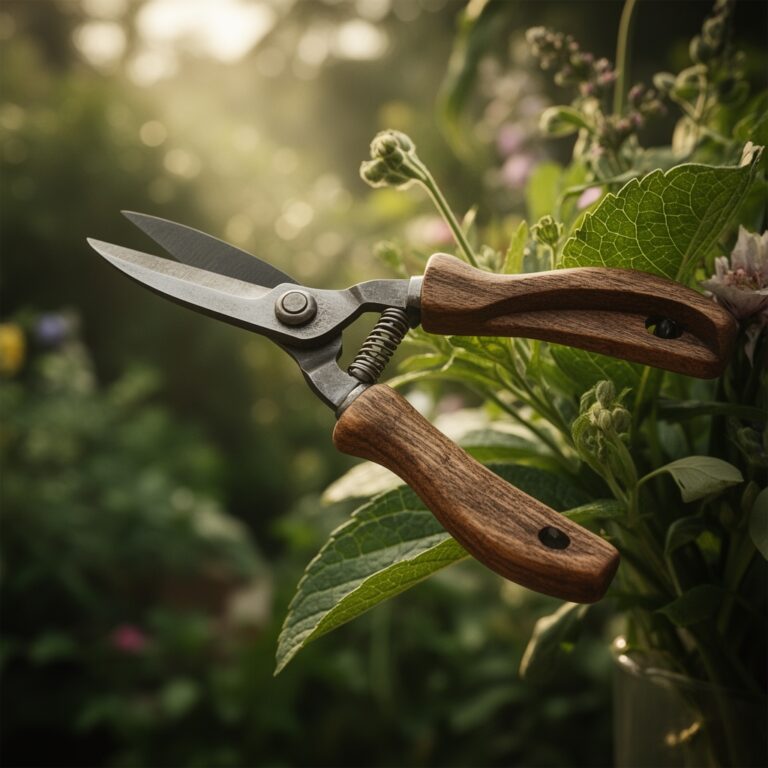
Precision is the hallmark of professional succulent care. Use bypass pruners to remove spent flower stalks or dead lower leaves; this prevents the accumulation of detritus that harbors pathogens. When watering, apply 1.5 inches of water directly to the soil surface until it exits the drainage holes. Never mist the foliage, as standing water in the apical meristem can lead to core rot.
Utilize a soil moisture meter twice weekly. For most species, the probe should read "Dry" for at least three days before the next irrigation cycle. If the leaves appear wrinkled or lose their luster, check the root system with a hori-hori knife. If the roots are white and firm, increase the frequency of your specialized fertilizer applications to boost potassium levels and improve water regulation.
The Yield:
While most succulents are grown for aesthetic longevity, those grown for floral display or propagation require specific handling. For flower harvest, cut the scape when the first three florets have opened. Use a sterile blade to prevent the entry of botrytis. To maintain "day-one" freshness in cuttings, allow the wound to callous in a dry, shaded area for 72 hours at 65 to 75 degrees Fahrenheit. This prevents vascular collapse when the cutting is eventually placed in a new substrate. Specialized fertilizers high in potassium ensure the parent plant recovers quickly from the loss of biomass by stimulating lateral bud development.
FAQ:
How often should I use specialized succulent fertilizer?
Apply fertilizer every 14 to 30 days during the active growing season. Always dilute to half-strength to prevent salt accumulation in the substrate. Cease all fertilization during winter dormancy to prevent weak, etiolated growth and root burn.
Can I use standard all-purpose fertilizer for my succulents?
Standard fertilizers often contain high nitrogen levels that cause succulents to grow too quickly, resulting in weak cell walls. Specialized formulas provide the correct low-nitrogen, high-potassium balance necessary for the dense, slow-growing nature of desert flora.
What are the signs of over-fertilization in succulents?
Look for a white, crusty film of mineral salts on the soil surface or the edges of clay pots. Physical signs include scorched leaf tips, sudden leaf drop, or a blackened, collapsing root system caused by osmotic dehydration.
Does the pH of the water affect fertilizer effectiveness?
Yes. If your water is highly alkaline (above pH 7.5), many micronutrients like iron and manganese become chemically locked and unavailable. Aim for a solution pH of 6.0 to 6.5 for optimal nutrient absorption in the rhizosphere.