9 Edible Steps to Prepare a Kitchen Herb Plant Shelf
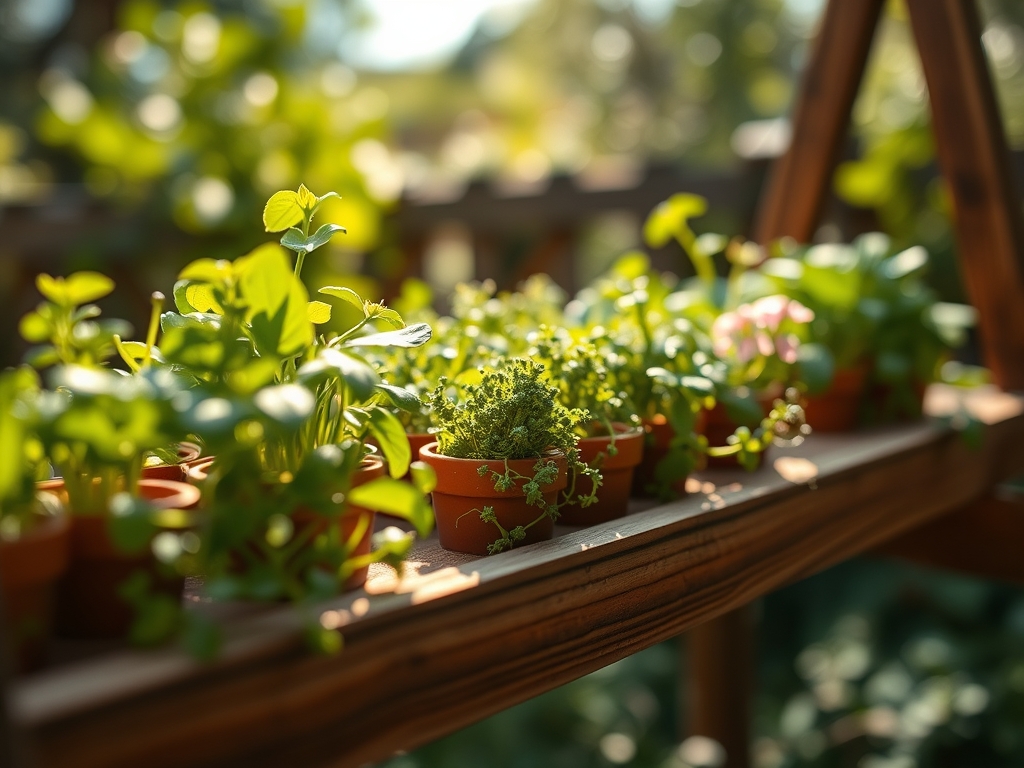
Crushing a leaf of Mediterranean rosemary releases a sharp, resinous scent that signals high essential oil concentration and optimal plant health. This aromatic intensity is a direct result of cellular turgor pressure and the metabolic efficiency of the plant. Success in an indoor environment requires more than aesthetics; it demands a rigorous engineering of the microclimate. Learning how to prepare a plant shelf for herbs involves balancing light intensity, substrate chemistry, and atmospheric humidity to mimic a plant's native habitat.
To achieve consistent growth, the shelf must be treated as a controlled biological laboratory. You are managing the rhizosphere, the narrow region of soil directly influenced by root secretions and soil microorganisms. Without the buffering capacity of a large garden bed, containerized herbs rely entirely on the precision of your inputs. This guide provides the technical framework to construct a high-performance herb station that maximizes biomass and flavor profiles through scientific rigor.
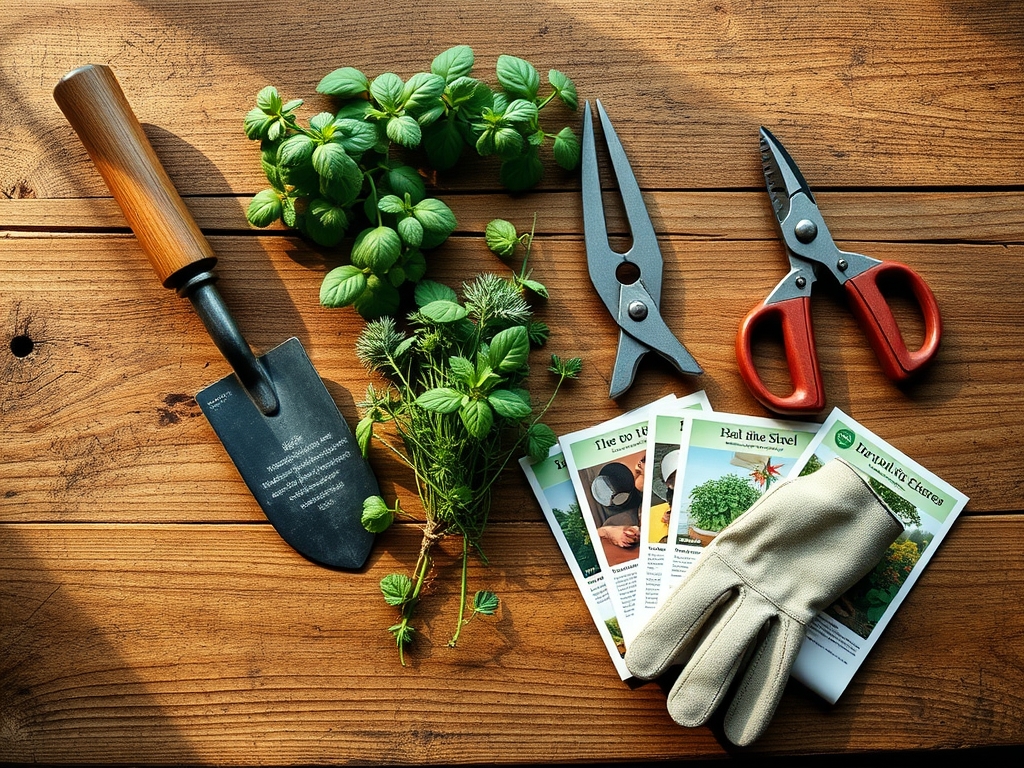
Materials:
The foundation of a kitchen herb shelf is the substrate. Avoid standard "potting soil" which often lacks the structural integrity for long term drainage. Aim for a friable loam texture consisting of 40 percent peat moss or coconut coir, 30 percent perlite for aeration, and 30 percent high quality compost.
For most culinary herbs like basil, oregano, and thyme, maintain a soil pH between 6.0 and 7.0. This range ensures optimal Cation Exchange Capacity (CEC), allowing roots to effectively uptake metallic ions. Use a balanced, slow release fertilizer with an NPK ratio of 10-10-10 for general growth. However, if you are targeting leaf production in nitrogen hungry species like parsley, shift to a 5-3-3 ratio to prevent salt buildup while sustaining vegetative vigor. Ensure your containers have a minimum depth of 6 inches to allow for vertical root expansion and to prevent the plant from becoming root-bound, which triggers premature senescence.
Timing:
Indoor herb shelves bypass the traditional constraints of USDA Hardiness Zones, but they remain slave to the photoperiod. Most herbs require a 14 to 16 hour light cycle to remain in a vegetative state. If the light duration drops below 12 hours, many species will trigger their "Biological Clock," transitioning from vegetative leaf production to reproductive flowering. This process, known as bolting, ruins the flavor of the leaves by diverting sugars to seed production.
Monitor the frost dates in your specific region if your shelf is located near a window. Even in Zone 7 or 8, a single pane of glass offers little thermal resistance; ambient temperatures at the leaf surface should never drop below 55 degrees Fahrenheit. For optimal metabolic rates, maintain a daytime temperature of 70 to 75 degrees Fahrenheit and a nighttime dip of no more than 10 degrees to simulate natural diurnal cycles.
Phases:
Sowing
Begin by saturating your substrate until it reaches field capacity. Place seeds at a depth approximately two times their diameter. For small seeds like oregano, surface sowing is required as they are positively photoblastic, meaning they require light to break dormancy.
Pro-Tip: Maintain a consistent soil temperature of 70 degrees Fahrenheit using a heat mat. This accelerates enzymatic activity within the seed coat, increasing germination rates by up to 40 percent.
Transplanting
Move seedlings once they have developed at least two sets of true leaves. Handle the plants by the cotyledons, never the stem, to avoid crushing the vascular tissues (xylem and phloem). Ensure the new container is pre-moistened to prevent "transplant shock," which occurs when dry soil pulls moisture out of the delicate root hairs via osmosis.
Pro-Tip: Inoculate the root zone with mycorrhizal fungi during transplanting. This symbiotic relationship extends the root system's reach, improving phosphorus uptake and water absorption through hyphal networks.
Establishing
During the first 14 days post-transplant, focus on root establishment rather than top growth. Keep light intensity moderate to prevent excessive transpiration while the root system is still recovering. Once new growth appears at the apical meristem, you can increase light levels to full intensity.
Pro-Tip: Practice "pinching" or apical pruning. By removing the terminal bud, you suppress auxin dominance, which encourages lateral branching. This results in a bushier plant with higher leaf density.
The Clinic:
Symptom: Interveinal Chlorosis
- Cause: Iron or Magnesium deficiency, often triggered by a pH level above 7.0.
- Solution: Test the substrate pH. If high, apply a chelated iron drench or lower the pH using elemental sulfur to unlock micronutrient availability.
Symptom: Leaf Tip Burn
- Cause: Excess salt accumulation from synthetic fertilizers or "tip-burn" from low humidity.
- Solution: Flush the containers with distilled water equal to three times the volume of the pot to leach out accumulated salts.
Symptom: Stem Rot (Damping Off)
- Cause: Fungal pathogens like Pythium thriving in anaerobic, waterlogged soil.
- Solution: Increase airflow using a small circulation fan and ensure the substrate dries to a depth of 0.5 inches between watering cycles.
Fix-It: Nitrogen Deficiency
If older leaves turn a uniform pale yellow while new growth remains green, the plant is scavenging nitrogen. Apply a liquid fish emulsion (high nitrogen) to provide an immediate bioavailable source of N to restore chlorophyll production.
Maintenance:
Precision is the hallmark of a master horticulturist. Use a soil moisture meter to verify the volumetric water content before irrigating. Most herbs require approximately 1.5 inches of water per week, delivered directly to the soil surface to keep the foliage dry and reduce disease pressure.
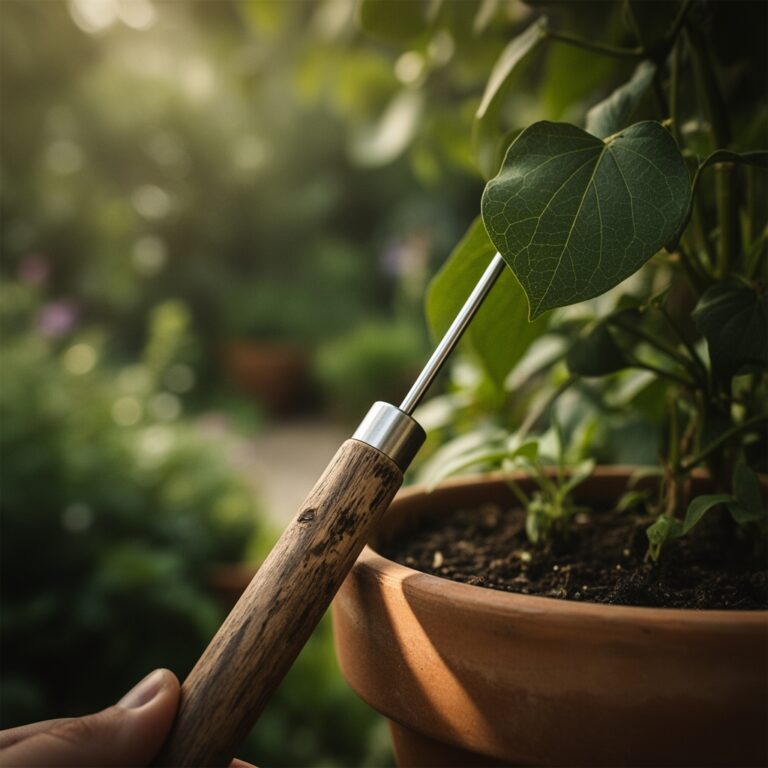
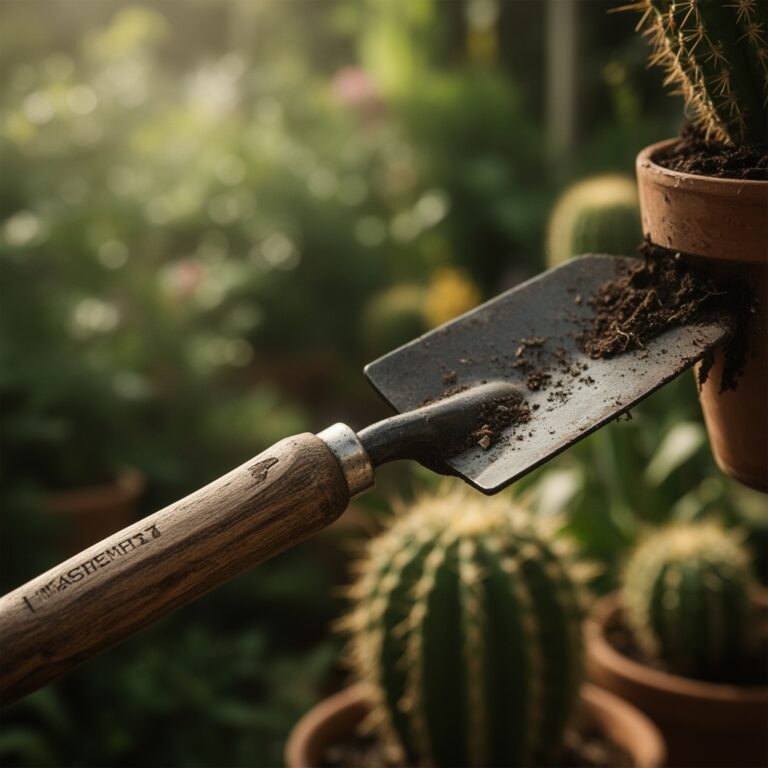
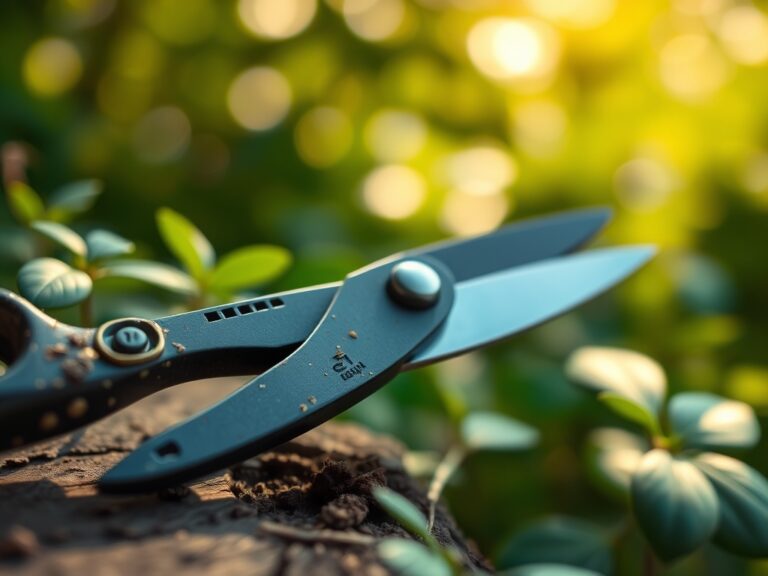
Keep a hori-hori knife nearby for occasional soil aeration; gently stabbing the substrate prevents compaction and allows oxygen to reach the root zone. Use bypass pruners for all harvesting to ensure clean cuts that heal quickly. Ragged tears from dull scissors create entry points for pathogens and increase the rate of moisture loss at the wound site. Clean your tools with 70 percent isopropyl alcohol between plants to prevent the cross-contamination of viral or fungal spores.
The Yield:
Harvesting is a physiological intervention. The best time to harvest is in the early morning when turgor pressure is at its peak and the essential oil concentration has not been depleted by the day's heat. Never remove more than 33 percent of the plant's total biomass at one time; exceeding this threshold can stall photosynthesis and lead to systemic decline.
For woody herbs like rosemary or sage, cut just above a node to encourage new growth. For soft-stemmed herbs like cilantro, harvest the outermost leaves first. To maintain "day-one" freshness post-harvest, place the stems in a glass of water or wrap them in a damp paper towel and refrigerate at 40 degrees Fahrenheit. This slows the rate of respiration and prevents the degradation of volatile organic compounds (VOCs) that provide the herb's flavor.
FAQ:
How much light do kitchen herbs need?
Most culinary herbs require 12 to 16 hours of high-intensity light daily. Use full-spectrum LED grow lights positioned 6 to 12 inches above the canopy to provide the necessary PAR (Photosynthetically Active Radiation) for robust growth.
Why are my herb leaves turning yellow?
Yellowing, or chlorosis, usually indicates nitrogen deficiency or overwatering. Overwatering displaces oxygen in the soil, leading to root hypoxia. Ensure your containers have drainage holes and the substrate pH is between 6.0 and 7.0.
Can I use garden soil on my plant shelf?
No. Garden soil is too dense and often contains pathogens or weed seeds. It lacks the porosity required for container drainage. Use a sterile, soilless mix containing peat, perlite, and vermiculite for optimal aeration.
How often should I fertilize indoor herbs?
Apply a balanced, water-soluble fertilizer at half-strength every two weeks during the active growing season. Avoid over-fertilizing in winter when plant metabolism slows, as this can lead to toxic salt accumulation in the rhizosphere.