8 Natural Steps for Treating Thrips with Beneficial Nematodes
The smell of damp, oxygenated earth indicates a healthy rhizosphere where microbial activity is at its peak. When the turgor pressure of a leaf remains high, the plant successfully resists the mechanical damage caused by piercing-sucking mouthparts. Implementing the eight steps for treating thrips with beneficial nematodes requires an understanding of soil biology and the life cycle of the order Thysanoptera. Success depends on precise timing, moisture management, and the application of microscopic entomopathogenic organisms to the substrate.
Materials:
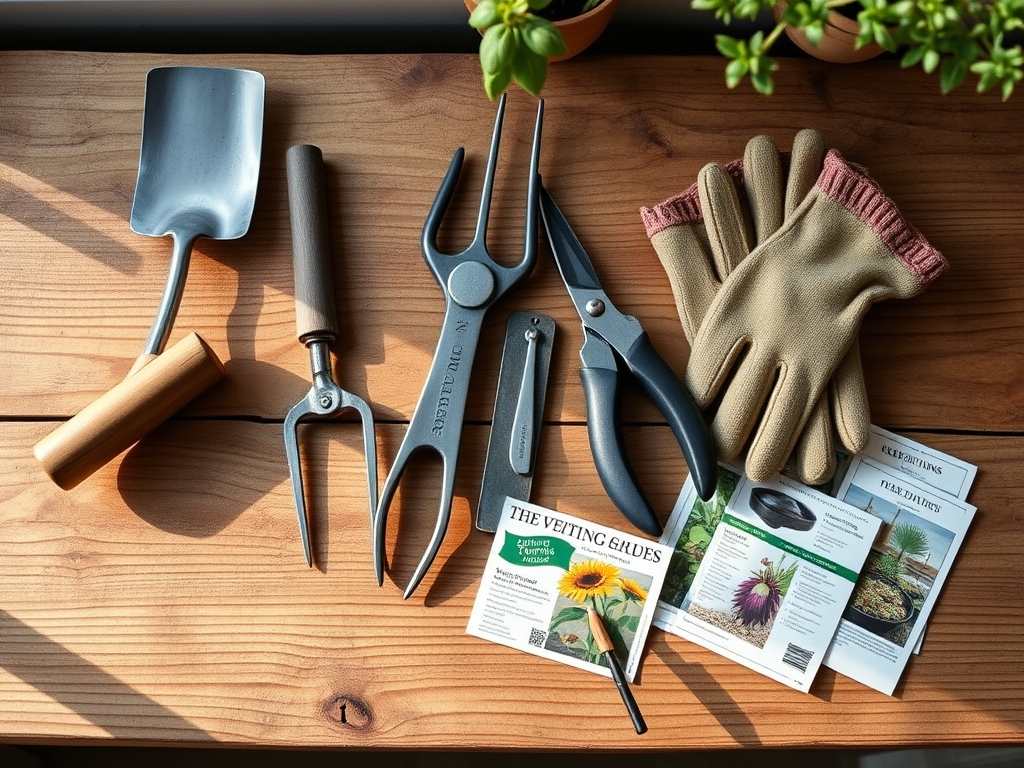
To maximize the efficacy of Steinernema feltiae, the primary nematode species used for thrips control, the growing medium must be a **friable loam** with high porosity. The soil pH should be maintained between **6.0 and 7.0** to ensure nutrient availability and nematode survival.
Before application, ensure the substrate contains a balanced nutrient profile. A standard 10-10-10 NPK ratio provides the baseline nitrogen for leaf expansion, phosphorus for root development, and potassium for cellular regulation. High Cation Exchange Capacity (CEC) materials, such as aged compost or calcined clay, help retain the moisture necessary for nematode mobility. You will need a pressurized sprayer with a nozzle aperture of at least 0.5 millimeters to prevent clogging the biological suspension.
Timing:
Successful application is dictated by the hardiness zone and the specific biological clock of the target. In Hardiness Zones 4 through 8, the window for outdoor application begins when soil temperatures consistently exceed 50 degrees Fahrenheit (10 degrees Celsius). Nematodes are sensitive to ultraviolet radiation; therefore, application must occur at dusk or during heavy overcast conditions to prevent desiccation and DNA damage.
The biological clock of the plant also dictates the strategy. During the transition from vegetative to reproductive stages, thrips often migrate from the foliage to the flowers. Because nematodes target the pupal stage in the soil, the first application should occur at the first sign of silvering on the lower leaves. This prevents the next generation from emerging and colonizing the developing floral structures.
Phases:

Sowing and Preparation
Hydrate the beneficial nematodes in a bucket of declorinated water at room temperature (65 to 75 degrees Fahrenheit) for 30 minutes. This wakes the organisms from their cryptobiotic state. Ensure the soil is pre-moistened to the point of field capacity but not saturated.
Pro-Tip: Maintaining soil moisture is critical because nematodes move through the film of water surrounding soil particles via hydrotaxis. If the soil dries out, the nematodes lose mobility and die before reaching the thrips larvae.
Transplanting and Application
Apply the nematode suspension directly to the soil surface using a watering can or a low-pressure sprayer. Focus on the area directly beneath the plant canopy where thrips larvae are most likely to drop for pupation. Use a concentration of 25,000 to 50,000 nematodes per square foot for active infestations.
Pro-Tip: The rhizosphere serves as a concentrated zone of biological activity. Nematodes are attracted to the carbon dioxide and chemical signals emitted by both the plant roots and the target larvae, a process known as chemoreception.
Establishing and Monitoring
Repeat the application every 7 to 14 days for at least three cycles. This ensures that as new thrips larvae drop from the foliage to pupate in the soil, a fresh population of nematodes is ready to infect them. Monitor the population using yellow or blue sticky traps placed 2 inches above the plant canopy.
Pro-Tip: Consistent application disrupts the thrips' life cycle by targeting the non-feeding pupal stage. By eliminating the soil-dwelling phase, you prevent the senescence of the plant caused by heavy thrips feeding and subsequent viral transmission.
The Clinic:
Physiological disorders can mimic thrips damage or weaken the plant, making it more susceptible to attack.
- Symptom: Interveinal chlorosis on young leaves.
- Solution: This indicates a Manganese or Iron deficiency. Check soil pH; if it exceeds 7.5, these micronutrients become insoluble. Lower the pH using elemental sulfur.
- Symptom: Marginal leaf necrosis and weak stems.
- Solution: This is often a Potassium deficiency. Apply a water-soluble fertilizer with a high "K" value to restore osmotic pressure within the cells.
- Symptom: Stippling and silvered patches with black fecal specks.
- Solution: Active thrips infestation. Deploy nematodes immediately and prune heavily infested foliage with sterilized bypass pruners.
Fix-It: For Nitrogen chlorosis, characterized by the uniform yellowing of older leaves, apply a quick-release nitrogen source like fish emulsion. This restores chlorophyll production and provides the plant with the energy needed to recover from pest-induced stress.
Maintenance:
Precision is the hallmark of a professional horticulturist. Use a soil moisture meter to ensure the top 2 inches of soil remains moist for 48 hours following nematode application. Plants generally require 1.5 inches of water per week delivered at the drip line to maintain cellular turgor.
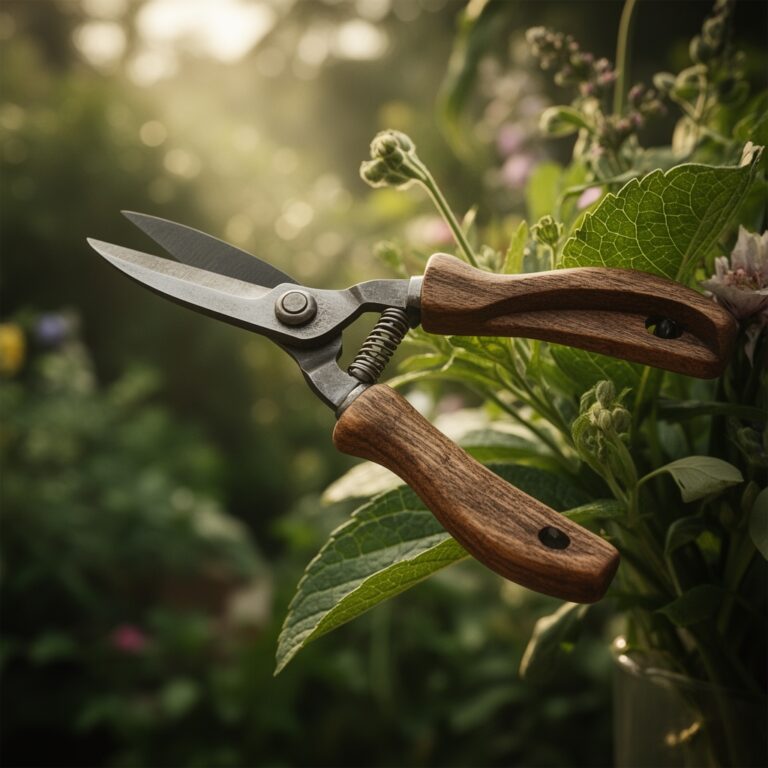
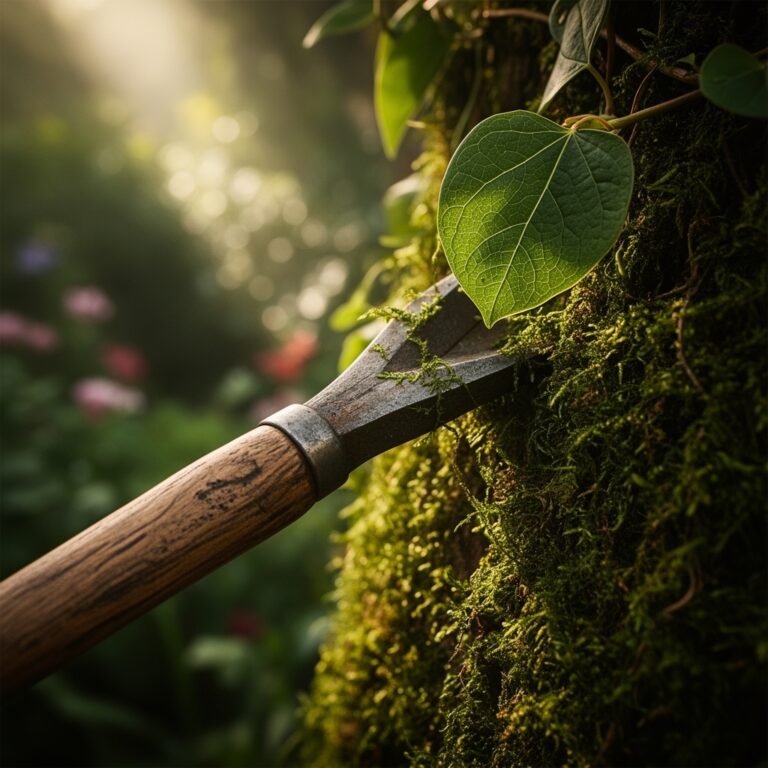
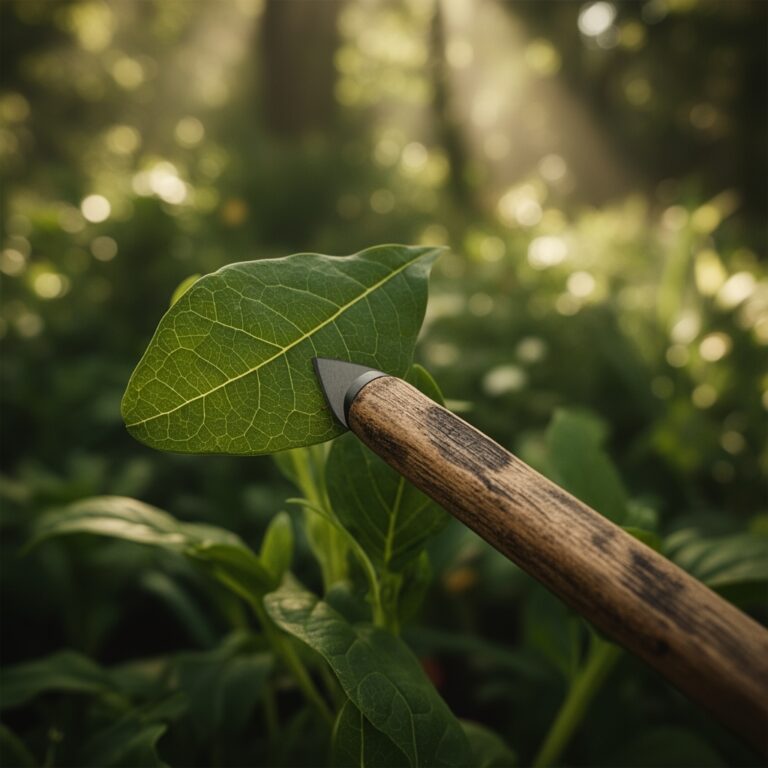
When weeding or cultivating around the base of the plant, use a hori-hori knife to slice through weed roots without disturbing the delicate mycorrhizal networks in the upper soil profile. Keep the area free of leaf litter, as this can provide a refuge for thrips that bypasses the nematode-treated soil. Use bypass pruners to remove any spent blooms or "blind" wood that could harbor adult thrips populations.
The Yield:
Harvesting timing is essential for maintaining the chemical integrity of the plant. For flowers, harvest in the early morning when turgor pressure is at its highest. Use a sharp blade to make a clean, diagonal cut, which increases the surface area for water uptake.
Post-harvest, immediately plunge the stems into 40-degree Fahrenheit water to remove field heat and slow the rate of respiration. This "cold chain" management ensures "day-one" freshness and prevents the rapid breakdown of cellular structures. For edible crops, handle with care to avoid bruising, which releases ethylene gas and accelerates the process of senescence.
FAQ:
How long do beneficial nematodes live in the soil?
Nematodes typically survive for 4 to 6 weeks if the soil remains moist and temperatures stay between 50 and 85 degrees Fahrenheit. Without a host, their population will naturally decline as they exhaust their internal energy reserves.
Can I use fertilizers and nematodes at the same time?
Avoid high-salt synthetic fertilizers during application. Concentrated salts can dehydrate nematodes through osmotic shock. Use organic, slow-release fertilizers or apply liquid nutrients at least three days before or after the nematode treatment for safety.
What is the best temperature for treating thrips?
Soil temperatures should be between 60 and 75 degrees Fahrenheit for optimal nematode activity. If the soil is too cold, the nematodes become dormant; if it exceeds 90 degrees, they may suffer heat stress and die.
How do I know if the nematodes are working?
Monitor the emergence of adult thrips using sticky traps. A successful treatment shows a significant reduction in new adults within 10 to 14 days. You should also observe improved turgor and a reduction in new silvered leaf lesions.