7 Best Snips for Indoor Flower Arrangements
The steel edge of a precision snip closes through a rose stem at a 45-degree angle, sealing vascular tissue cleanly and extending vase life by three to five days. Choosing the best snips for indoor flower arrangements transforms amateur cuts into professional harvests, where blade geometry and edge retention determine whether stems drink freely or rot at the base. Japanese bypass pruners, Swiss floral shears, and carbon-steel snips each occupy distinct ecological niches in the indoor cutting garden, where clemency toward cambium tissue translates directly into bloom longevity.
Materials
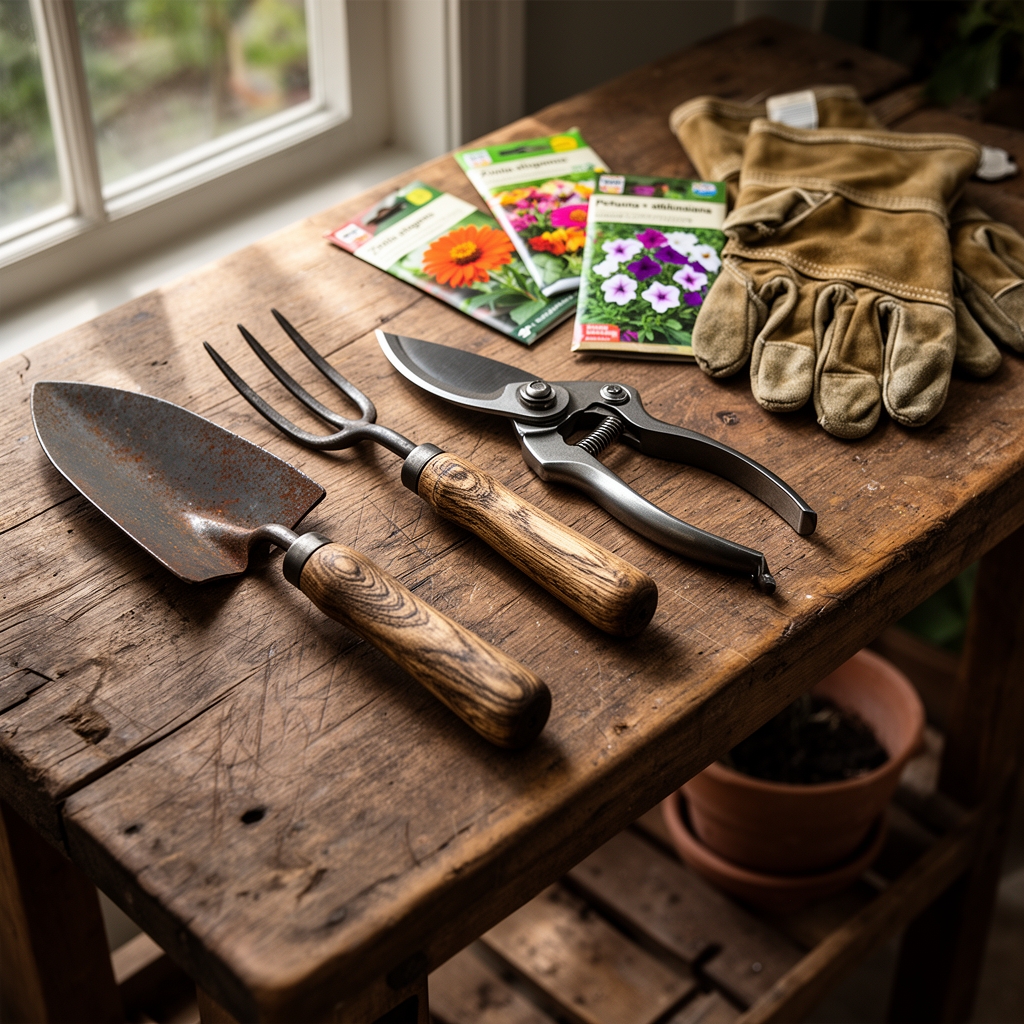
The best snips for indoor flower arrangements demand tool steel with a Rockwell hardness between 56 and 61 HRC, paired with stems grown in media amended to a cation exchange capacity of 15-25 meq/100g. Soft-stemmed annuals such as zinnias and cosmos thrive in potting mixes formulated at 3-1-2 NPK ratios with perlite comprising 20% by volume. Woody-stemmed perennials including roses, hydrangeas, and lilacs require outdoor amendments at 5-10-10 slow-release granular, applied at 2 pounds per 100 square feet in early spring. Soil pH targets sit between 6.0 and 6.8 for most cut-flower species; hydrangeas shift bloom color based on aluminum availability, requiring pH 5.2-5.5 for blue sepals and 6.0-6.5 for pink.
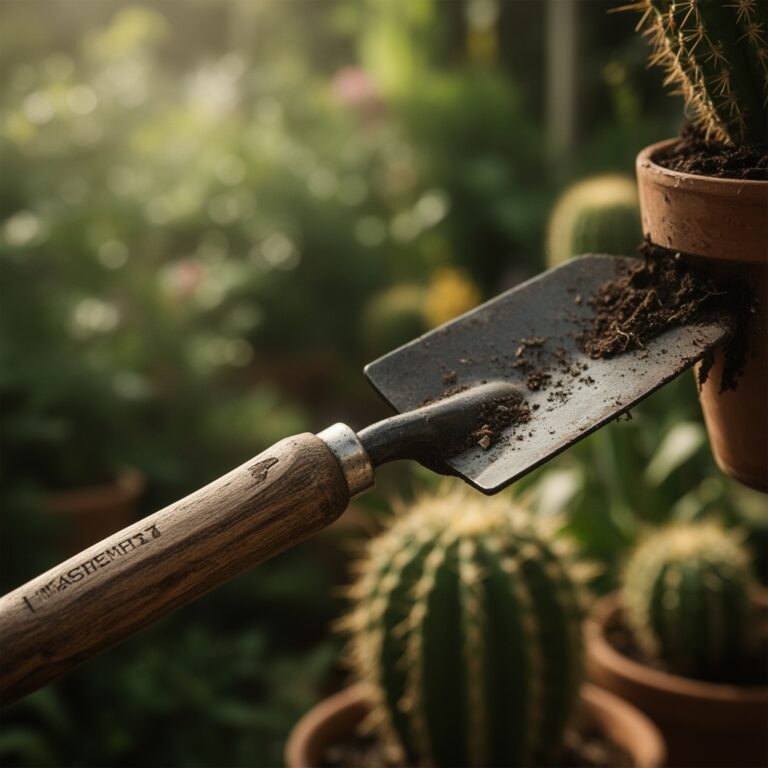
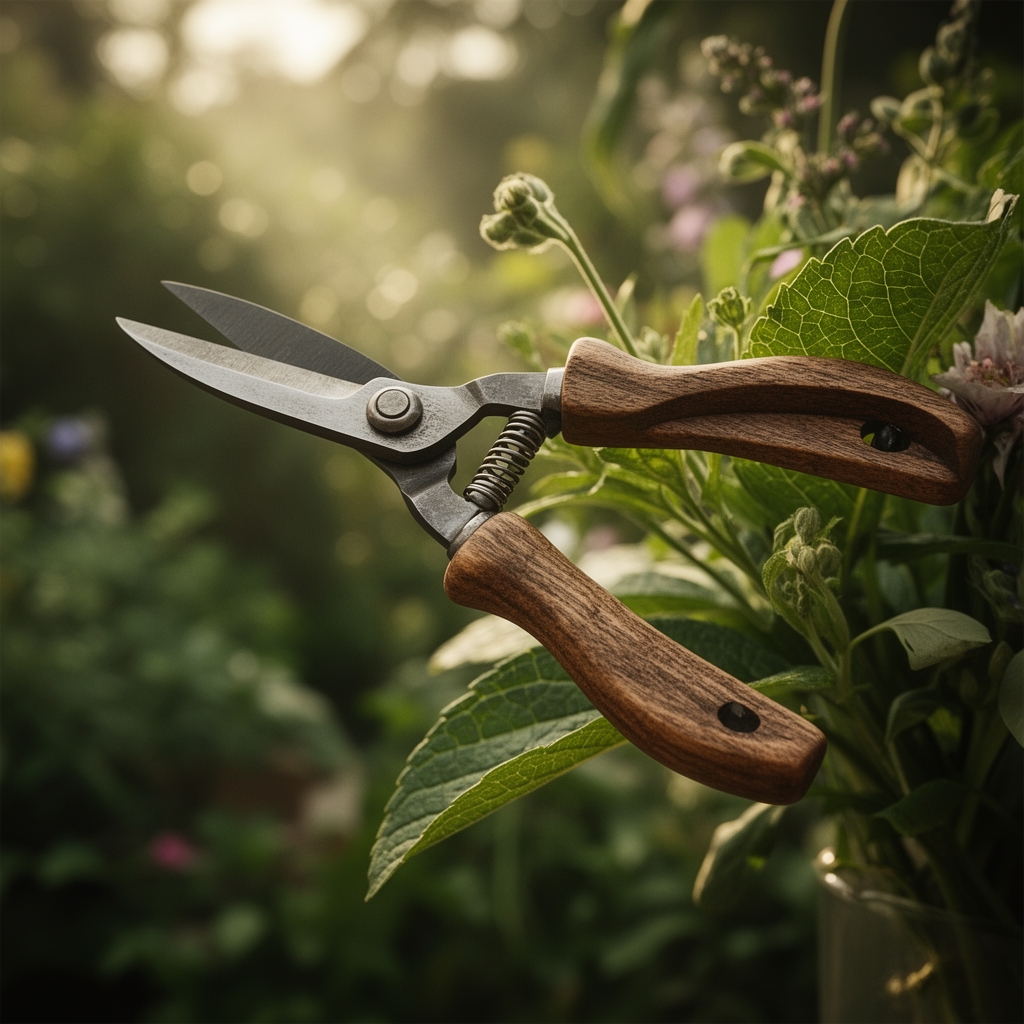
Bypass snips with replaceable blades suit herbaceous stems up to 0.5 inches in diameter. Anvil pruners crush vascular bundles and belong exclusively to deadwood removal, never to living flower stems. Floral knives with 2.5-inch carbon-steel blades serve professional designers working at packing benches where speed outweighs portability. Titanium-coated blades resist sap adhesion and reduce cleaning cycles by 40% during intensive harvest windows.
Timing
Hardiness zones dictate both planting schedules and stem maturity windows. Zone 5 gardeners sow zinnia seeds indoors six weeks before the final frost date, typically May 10-20, ensuring first blooms by mid-July. Zone 8 gardeners direct-sow cosmos in mid-March for April cutting. Perennial peonies harvested in zones 4-6 reach marshmallow-soft bud stage between May 25 and June 15, the sole week when stems tolerate refrigeration without bud abortion.
Dahlias require soil temperatures above 60 degrees Fahrenheit at 4-inch depth before tuber planting. Use a dial thermometer inserted at dawn for three consecutive days; premature planting in 55-degree soil invites tuber rot from Pythium and Rhizoctonia species. Cutting gardens planned around succession planting deploy staggered sowings at 14-day intervals, delivering continuous bloom from week 8 through first frost.
Phases

Sowing: Surface-sow snapdragons and petunias on sterile seed-starting mix under T5 fluorescent tubes positioned 2 inches above germination trays. Maintain substrate temperature at 70-75 degrees Fahrenheit using seedling heat mats calibrated with thermostatic controllers. Germination completes in 7-10 days for most Asteraceae and Solanaceae families. Pro-Tip: Dust fine seeds with mycorrhizal fungi inoculant at a rate of 1 teaspoon per 50-cell tray to colonize roots during the first true-leaf stage, improving phosphorus uptake by 30%.
Transplanting: Move seedlings to 4-inch pots when two sets of true leaves emerge and root balls resist gentle tugging. Harden off over seven days by reducing indoor temperatures 5 degrees daily and introducing full sun in 90-minute increments. Transplant into garden beds amended with 2 inches of aged compost tilled to 8-inch depth. Space dahlias 18 inches apart; zinnias tolerate 9-inch centers.
Establishing: Pinch terminal buds when plants reach 12 inches in height, removing apical meristems to redirect auxin distribution into lateral shoots. This single pinch yields four to six additional stems per plant. Water transplants with diluted fish emulsion at 2-1-1 NPK analysis, applied at 1 tablespoon per gallon weekly for three weeks. Pro-Tip: Install drip irrigation on 12-inch emitter spacing to deliver 1 inch of water per week directly to root zones, reducing foliar disease pressure from Botrytis cinerea by 65%.
Troubleshooting
Symptom: Crushed stem ends turn brown within 12 hours of cutting.
Solution: Replace anvil-style pruners with bypass snips featuring convex cutting edges. Sharpen blades with 1000-grit whetstone at 23-degree bevel angles every 40 cuts.
Symptom: Aphid colonies cluster on rose buds and new growth, excreting honeydew.
Solution: Spray insecticidal soap at 2% concentration (5 tablespoons per gallon) at 7-day intervals for three applications. Introduce Aphidius colemani parasitoid wasps at 250 individuals per 200 square feet.
Symptom: Powdery mildew forms white mycelial mats on zinnia leaves during humid August conditions.
Solution: Apply potassium bicarbonate at 1 tablespoon per gallon as a protectant spray every 10 days. Increase plant spacing to 12 inches to improve air circulation and lower relative humidity at canopy level.
Symptom: Dahlia stems bend and collapse at soil line overnight.
Solution: Scout for European corn borer larvae inside hollow stems. Remove and destroy infested stems 4 inches below wilting point. Apply Bacillus thuringiensis var. kurstaki at 1 teaspoon per gallon weekly during borer flight periods in July.
Maintenance
Cut flowers in early morning when stems achieve maximum turgor pressure, before 9:00 AM. Bring a bucket containing 4 inches of 100-degree Fahrenheit water directly to the garden. Plunge cut stems immediately into hot water, which drives air bubbles from vascular tissue and increases water uptake by 40%. Re-cut stems underwater at 45-degree angles using the best snips for indoor flower arrangements, removing an additional 0.5 inches to expose fresh xylem.
Strip all foliage that would sit below the vase waterline. Submerged leaves host bacterial populations exceeding 1 million colony-forming units per milliliter within 48 hours, clogging stem vasculature. Change vase water every 48 hours and add commercial floral preservative containing sucrose at 2% concentration and 8-hydroxyquinoline citrate as a biocide.
Deadhead spent blooms every 48 hours to redirect carbohydrate reserves into new bud formation rather than seed development. Side-dress established perennials with 5-10-10 granular fertilizer at 1 pound per 100 square feet after first flush in June and again in early August.
FAQ
How often should I sharpen my cutting snips?
Sharpen bypass blades after every 50 cuts or when crushing first appears on stem tissue. Use a 1000-grit diamond stone at the factory bevel angle, typically 20-25 degrees.
Which NPK ratio produces the longest-lasting cut flowers?
Lower nitrogen ratios such as 5-10-10 promote sturdy stems with enhanced lignification and reduced lodging, extending vase life by 20% compared to high-nitrogen 20-10-10 formulations.
Can I cut flowers during rain or high humidity?
Avoid cutting during precipitation or when relative humidity exceeds 85%. Wet petals develop Botrytis blight within 24 hours, and surface moisture dilutes vase preservatives.
What stem length maximizes vase life?
Cut stems at 12-16 inches for most species. Longer stems require greater hydraulic pressure to lift water columns and expire 1-2 days earlier than shorter cuts.
Do titanium-coated blades justify their cost premium?
Yes. Titanium coatings reduce sap adhesion by 60%, extend sharpening intervals by 40%, and prevent oxidative browning on cut surfaces, particularly valuable during dahlia and sunflower harvests.