9 Critical Steps to Plant Green Cabbage
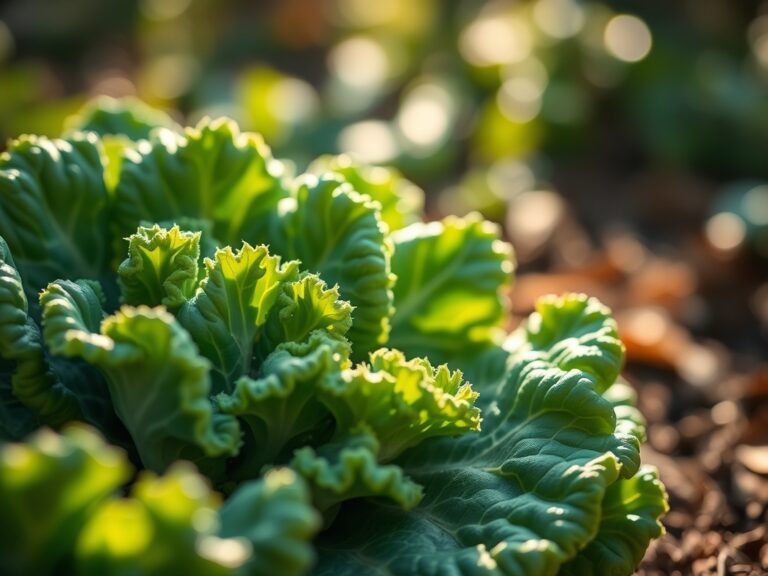
Crushing a handful of damp, friable loam reveals the earthy scent of geosmin; this is the fundamental foundation for Brassica oleracea. A healthy green cabbage leaf exhibits high turgor pressure, feeling rigid and cool to the touch due to its internal water regulation. Success requires precision timing and chemical balance. Following these steps to plant green cabbage ensures a harvest of dense, heavy heads rather than loose, bitter foliage. This process begins with soil chemistry and ends with the physiological maturity of the plant.
The biological demands of green cabbage are significant. It is a heavy feeder that requires a consistent supply of macronutrients and specific micronutrients to prevent internal necrosis. You are not merely growing a vegetable; you are managing a complex biological system that transforms solar energy and soil minerals into tightly packed cellulose and water. Understanding the relationship between the rhizosphere and the atmosphere is the difference between a failed crop and a professional yield.
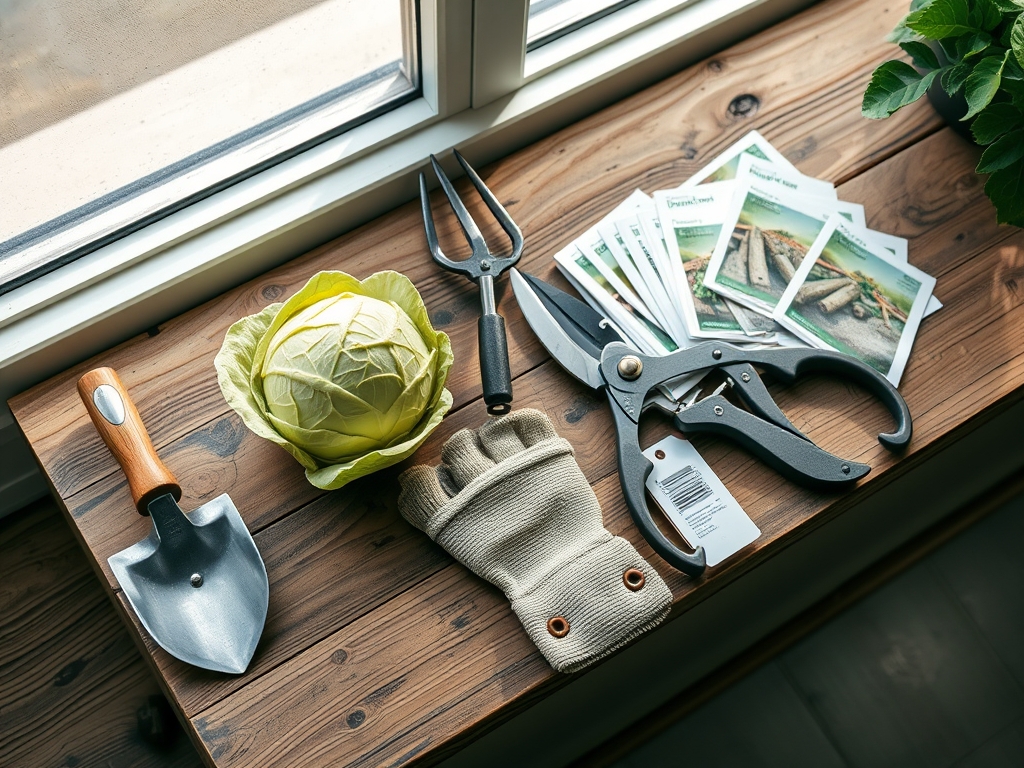
Materials:
The substrate must be a friable loam with high organic matter content to support a high Cation Exchange Capacity (CEC). Cabbage thrives in soil with a pH between 6.5 and 6.8. If the pH drops below 6.0, the availability of phosphorus and molybdenum decreases, which can lead to "whiptail" or stunted growth.
For the initial growth phase, use a fertilizer with an NPK ratio of 10-10-10 to establish the root system. As the plant enters the head-forming stage, transition to a higher nitrogen formula, such as 15-5-10, to support rapid leaf expansion. You will also need calcium nitrate to prevent tip burn, a common physiological disorder caused by localized calcium deficiency in rapidly growing tissues. Ensure you have a soil moisture meter and a calcium-rich amendment like gypsum if your soil test indicates low calcium levels.
Timing:
Green cabbage is a cool-season biennial grown as an annual. It performs best in Hardiness Zones 3 through 9. The "Biological Clock" of the cabbage is governed by temperature and photoperiod. For a spring crop, seeds should be started indoors 6 to 8 weeks before the last expected frost. For a fall crop, calculate the planting date by subtracting 85 to 100 days from the first expected hard freeze.
The plant enters its reproductive stage (bolting) if exposed to prolonged temperatures below 45 degrees Fahrenheit after it has reached a certain size. This premature flowering ruins the head. Conversely, temperatures consistently above 80 degrees Fahrenheit cause the plant to enter a state of heat stress, increasing bitterness and slowing growth. Aim for a developmental window where daytime temperatures hover between 60 and 70 degrees Fahrenheit.
Phases:
Sowing
Sow seeds 1/4 inch deep in sterile seed-starting mix. Maintain a soil temperature of 65 to 75 degrees Fahrenheit for optimal germination. Once the first true leaves appear, provide 14 to 16 hours of light per day to prevent leggy growth.
Pro-Tip: Maintain consistent moisture to support turgor pressure in the hypocotyl. High turgidity prevents the seedling from collapsing and ensures the efficient transport of nutrients from the endosperm to the developing meristem.
Transplanting
Hardening off is mandatory. Move seedlings outdoors for increasing intervals over 7 to 10 days. Space plants 12 to 18 inches apart in rows spaced 24 to 30 inches apart. Deep planting is acceptable; you can bury the stem up to the first set of true leaves to provide mechanical stability.
Pro-Tip: Use a transplant solution high in phosphorus to stimulate mycorrhizal symbiosis. This fungal relationship expands the root surface area, allowing the cabbage to access immobile nutrients like phosphorus more effectively than the roots could alone.
Establishing
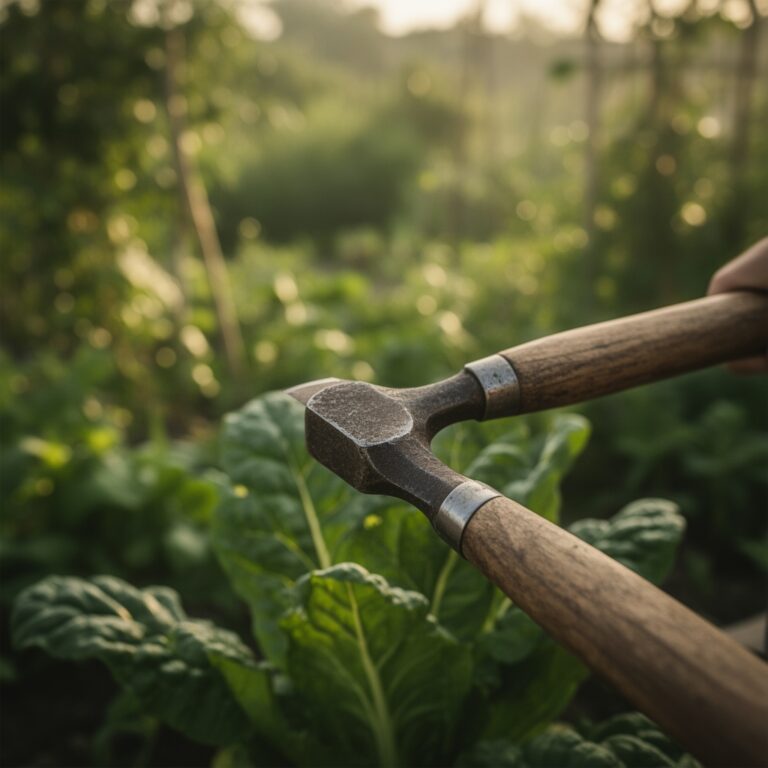
During the first three weeks after transplanting, the plant focuses on root architecture. Do not over-fertilize with nitrogen during this window, as it can lead to excessive top growth at the expense of a robust root system. Use a hori-hori knife to gently aerate the soil around the perimeter of the plant if compaction occurs.
Pro-Tip: Avoid disturbing the soil within 3 inches of the stem. Cabbage has a relatively shallow root system; mechanical damage to these roots triggers auxin suppression, which can temporarily halt the development of the terminal bud.
The Clinic:
Physiological disorders often mimic disease but are caused by environmental or nutritional imbalances.
Symptom: Tip Burn (Browning of inner leaf edges).
Solution: This is caused by a lack of calcium transport. Ensure consistent soil moisture. Calcium moves through the plant via transpiration; if the soil dries out, the calcium flow stops, even if the mineral is present in the soil.
Symptom: Splitting Heads.
Solution: This occurs when a heavy rain follows a dry spell. The rapid intake of water increases internal pressure beyond the strength of the leaf cell walls. Keep soil moisture levels consistent using a soil moisture meter to prevent this surge.
Symptom: Nitrogen Chlorosis (Yellowing of older, lower leaves).
Fix-It: Apply a side-dressing of high-nitrogen fertilizer or a foliar spray of fish emulsion. Nitrogen is a mobile nutrient; the plant will pull it from old leaves to support new growth at the meristem.
Maintenance:
Precision irrigation is the most critical maintenance task. Cabbage requires 1.5 inches of water per week delivered at the drip line. Avoid overhead irrigation, as moisture trapped in the developing head can encourage fungal pathogens. Use a soil moisture meter to ensure the root zone stays at a consistent 70 percent field capacity.
Mulch with 2 to 3 inches of clean straw or shredded leaves to regulate soil temperature and suppress weed competition. Use bypass pruners to remove any yellowing lower leaves that touch the soil; these leaves are no longer photosynthetically active and can serve as an entry point for soil-borne pathogens. Monitor the "wrapper leaves" for signs of stress or nutrient deficiency daily.
The Yield:
Harvesting occurs when the head feels firm and solid when squeezed. A mature green cabbage head should reach the size of a volleyball, though specific variety diameters vary. Use a sharp hori-hori knife or a harvest knife to cut the head at the base, just above the outer wrapper leaves.
To maintain "day-one" freshness, harvest in the early morning when the plant is at maximum turgidity. Remove only the damaged outer leaves. Store the cabbage at 32 to 40 degrees Fahrenheit with high humidity (90 to 95 percent). Under these conditions, the cabbage can remain viable for several months. If you leave the root system and bottom leaves in the ground, the plant may produce several "cabbage sprouts" or mini-heads from the axillary buds.
FAQ:
Why is my cabbage head not forming?
High temperatures or excessive nitrogen can prevent heading. If the temperature exceeds 80 degrees Fahrenheit, the plant focuses on survival rather than storage. Ensure you are planting within the correct seasonal window for your specific Hardiness Zone.
How do I stop my cabbage heads from splitting?
Maintain even soil moisture. Sudden heavy watering after a dry period causes the internal tissues to expand faster than the outer leaves can accommodate. Mulching helps regulate water evaporation and prevents the rapid moisture fluctuations that cause splitting.
What is the best pH for green cabbage?
Cabbage requires a pH between 6.5 and 6.8. In acidic soils below 6.0, the plant cannot access essential molybdenum and phosphorus. Use lime to raise the pH or sulfur to lower it based on a professional soil test.
When should I start cabbage seeds indoors?
Start seeds 6 to 8 weeks before the last spring frost. This provides enough time for the seedlings to develop a strong root system and several true leaves before they are hardened off and transplanted into the field.