6 Modern Steps to Build a Tool Storage App
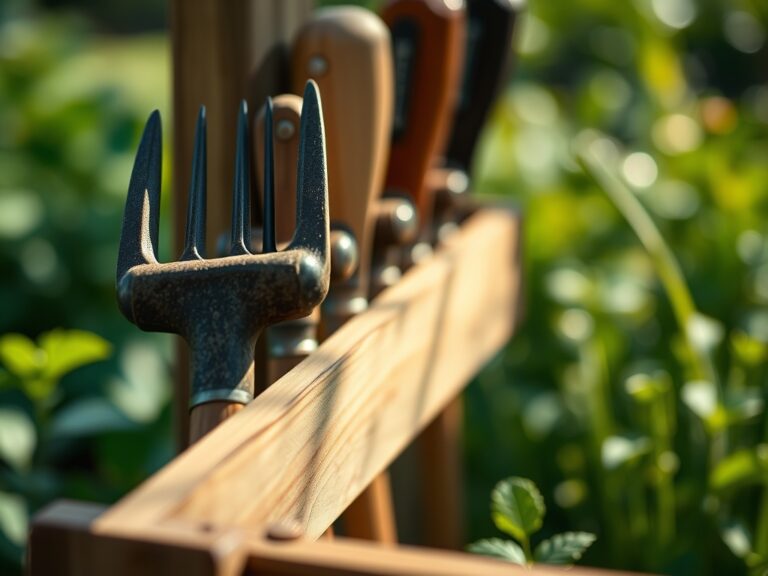
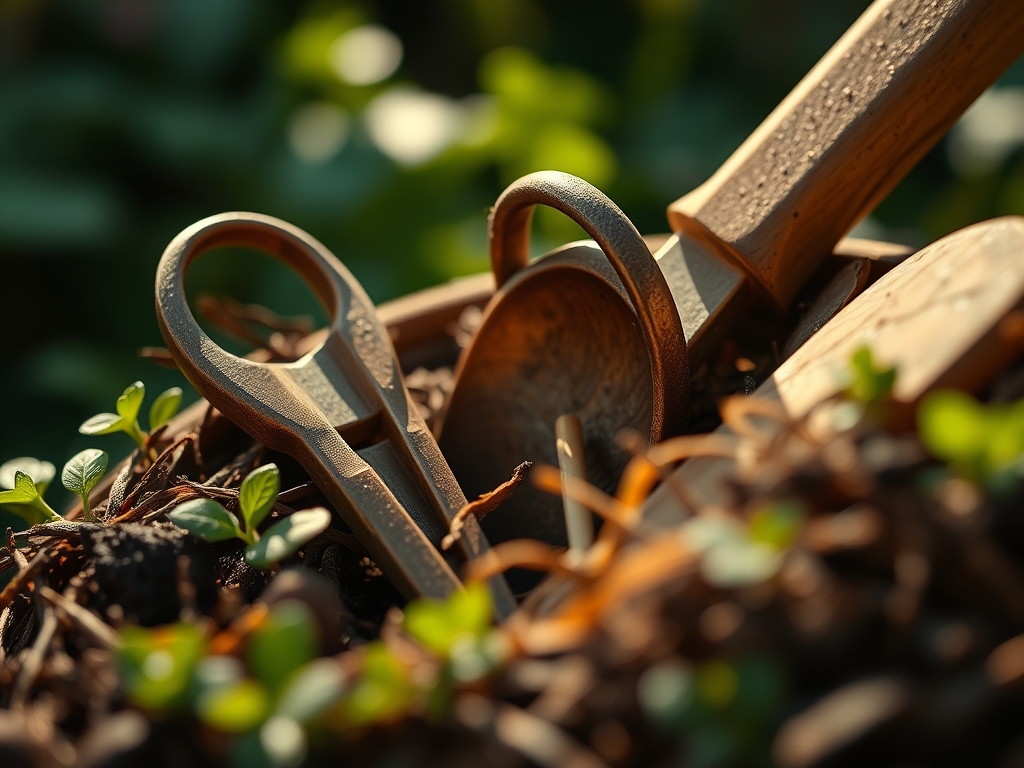
The scent of decomposing organic matter and the sharp, metallic tang of oxidized iron define the transition from active cultivation to seasonal organization. When the turgor pressure in your perennials begins to wane and the soil temperature drops below 55 degrees Fahrenheit, the physical landscape must be cataloged for digital management. Learning how to prepare a garden for a tool storage app requires a systematic audit of both the botanical environment and the mechanical inventory. You are not merely tidying a shed; you are quantifying the inputs and assets of a biological system to ensure peak efficiency for the next growing cycle. This process begins with a rigorous assessment of the current state of your beds, the moisture levels of your substrate, and the structural integrity of your hardware. By documenting these variables now, you create a data-rich baseline that allows the application to track wear, schedule maintenance, and predict resource needs based on the specific Cation Exchange Capacity of your soil.
Materials:
The foundation of a high-functioning garden starts with a friable loam substrate. This ideal texture consists of approximately 40 percent sand, 40 percent silt, and 20 percent clay. To prepare this environment for digital tracking, you must first establish the chemical baseline of your plots. Aim for a soil pH between 6.2 and 6.8 for most temperate ornamentals and edibles.
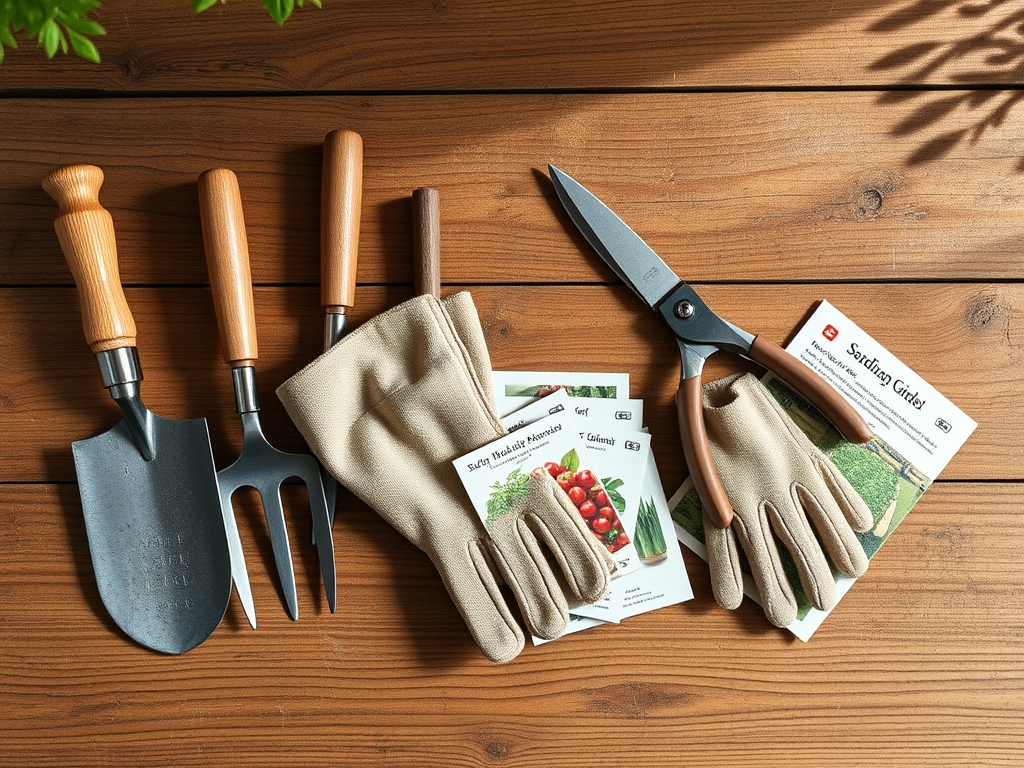
Specific NPK (Nitrogen, Phosphorus, Potassium) ratios must be recorded in your app to manage the nutrient bank. For late-season preparation, a 5-10-10 fertilizer is often preferred over high-nitrogen blends to discourage succulent new growth that is susceptible to frost damage. You will also need a digital soil moisture meter, a calibrated scale for weighing amendments, and a high-resolution camera to document the condition of tools before they are logged into the database. Ensure you have a supply of isopropyl alcohol (70 percent concentration) for sterilizing blades and preventing the cross-contamination of pathogens between the field and the storage unit.
Timing:
Successful garden digitization depends on the "Biological Clock" of your specific Hardiness Zone. In Zones 5 through 7, the window for preparing your garden and tool inventory typically opens four to six weeks before the first hard frost. This period marks the onset of senescence, where deciduous plants undergo programmed cell death in their foliage to conserve energy in the root systems.
Monitoring the photoperiod is essential; as daylight drops below 12 hours, plant metabolism slows, reducing the immediate need for heavy cultivation tools. You must complete the physical cleanup and tool logging before the soil reaches the permanent wilting point or becomes unworkable due to freezing. For those in Zones 8 and 9, the window is broader, but the transition from the reproductive stage (fruiting) to the vegetative rest state remains the primary signal to clean, sharpen, and digitally catalog your equipment.
Phases:
Sowing and Soil Stabilization
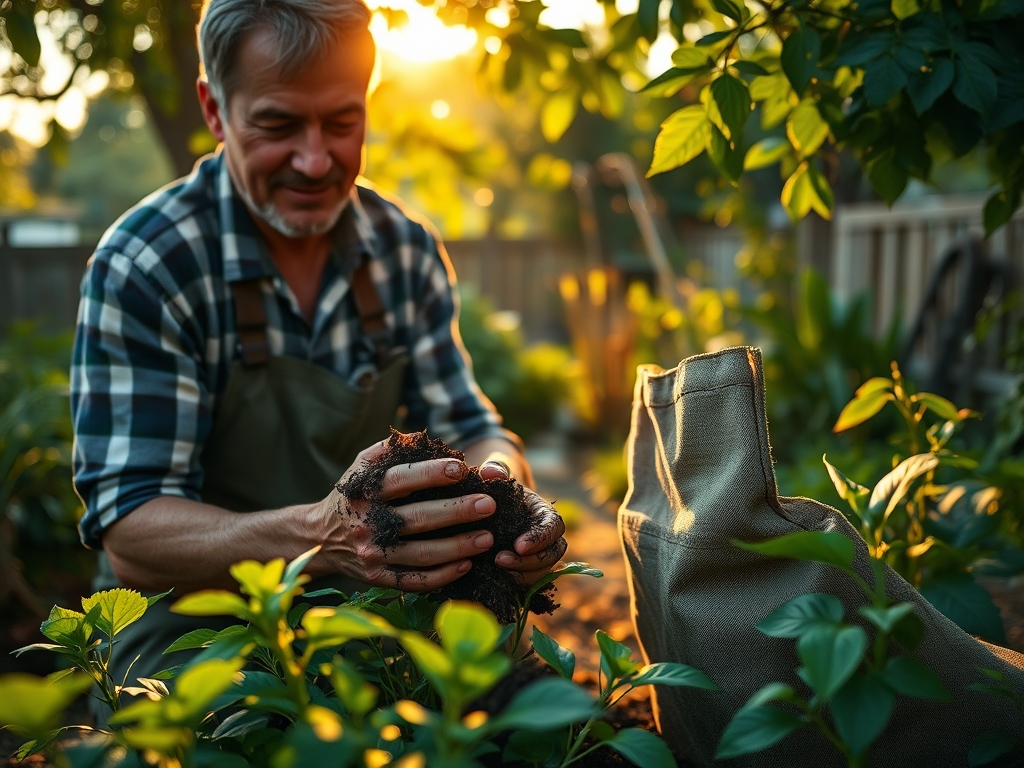
Before the ground freezes, sow a cover crop such as winter rye or crimson clover. These plants stabilize the rhizosphere, preventing the leaching of nitrates during winter rains. As you sow, use your app to log the specific square footage covered and the volume of seed used. This data allows the app to calculate the expected biomass return for the following spring.
Pro-Tip: Cover crops utilize mycorrhizal symbiosis to extend the reach of their root systems. This fungal network improves soil structure by secreting glomalin, a biological glue that increases the Cation Exchange Capacity (CEC) of the soil, ensuring better nutrient availability for future crops.
Transplanting and Inventorying
Move sensitive perennials to their overwintering locations. As each plant is moved, document the tool used for the task. If a hori-hori knife was used to sever circling roots, check the blade for nicks or sap accumulation. Log the tool's condition in the app under the "Maintenance Required" field.
Pro-Tip: When transplanting, avoid disturbing the root ball to prevent a drop in turgor pressure. Maintaining the integrity of the root-soil interface prevents transplant shock by ensuring the xylem can continue to transport water via capillary action.
Establishing and Storing
The final phase involves the "Establishing" of the storage environment. Clean every tool with a stiff brush to remove soil, which holds moisture and promotes oxidation (rust). Apply a thin layer of mineral oil to all metal surfaces. Within the app, assign each tool a specific "Home Location" (e.g., Bin A, Hook 4) to streamline retrieval.
Pro-Tip: Proper storage prevents auxin suppression in stored bulbs or tubers by keeping them in total darkness. Darkness ensures that the plant's hormonal balance remains in a dormant state until light-induced triggers signal the start of the next growth cycle.
The Clinic:
Physiological disorders in the garden often manifest during the transition to dormancy. Use the following guide to diagnose and log issues before the final seasonal shutdown.
- Symptom: Interveinal chlorosis (yellowing between green veins) on older leaves.
- Solution: This indicates Nitrogen deficiency. Apply a slow-release organic fertilizer with a ratio of 10-0-0 to boost levels without triggering a growth spurt.
- Symptom: Marginal leaf burn or browning at the edges of foliage.
- Solution: This is often a sign of Potassium deficiency or salt accumulation. Flush the soil with two inches of water to leach excess salts and adjust the NPK balance.
- Symptom: Stunted growth and purple-tinted leaves.
- Solution: This suggests Phosphorus deficiency, often caused by cold soil temperatures (below 45 degrees Fahrenheit) which inhibit uptake. Incorporate bone meal into the top three inches of soil.
Fix-It: For general nutrient lockout, check the soil pH. If the pH is below 5.5, nutrients become chemically bound and unavailable to the plant. Add dolomitic lime at a rate of 5 pounds per 100 square feet to raise the pH.
Maintenance:
Post-preparation maintenance requires precision. Monitor the garden beds to ensure they receive at least 1.5 inches of water per week at the drip line until the ground freezes. This prevents root desiccation. Use a soil moisture meter twice weekly to verify levels at a depth of six inches.
Your tools require a similar maintenance schedule. Every 30 days during the off-season, inspect stored items for signs of corrosion. Use bypass pruners to remove any dead or diseased wood that may have been missed; then immediately disinfect the blades. If the app alerts you to a maintenance interval, use a diamond grit file to hone the edge of your shovels and hoes to a 45-degree angle.
The Yield:
For those harvesting late-season crops like kale or leeks, timing is governed by the concentration of sugars in the plant tissue. Harvest after the first light frost, which triggers the conversion of starches to sugars, enhancing flavor. Use a sharp hori-hori knife to make clean cuts, minimizing tissue trauma.
To maintain "day-one" freshness, hydro-cool the produce immediately by submerging it in 40-degree Fahrenheit water. This rapidly removes field heat and slows the rate of respiration, extending the shelf life of the harvest. Log the final weight of the yield in your app to calculate the overall productivity of the season.
FAQ:
How do I calibrate my soil pH meter?
Submerge the probe in a buffer solution of pH 4.0 or 7.0. Adjust the meter until the digital readout matches the solution's known value. Repeat this process every ten uses to ensure data accuracy for your storage app.
What is the best way to prevent tool rust?
Clean all soil residue using a wire brush. Wipe the metal surfaces with a cloth saturated in mineral oil or a lanolin-based protectant. Store tools in a low-humidity environment, ideally below 50 percent relative humidity, to prevent oxidation.
When should I stop fertilizing for the season?
Cease high-nitrogen fertilization six weeks before the first expected frost. This prevents the stimulation of new, tender growth that lacks the cellular strength to survive freezing temperatures. Focus instead on soil conditioners that improve Cation Exchange.
Why is my app's moisture reading different from the soil feel?
Digital meters measure volumetric water content or electrical conductivity. High salt levels or compacted clay can skew results. Always cross-reference the meter with a physical "squeeze test" of the soil at a four-inch depth for verification.