9 Helpful Steps to Build a Tool Reminder App
The scent of damp, mineral rich earth signifies a high concentration of geosmin; this organic compound indicates active microbial life within the rhizosphere. Maintaining this biological health requires precision engineering of both the soil and the equipment used to till it. To optimize your workflow, you must understand how to prepare a garden for a tool care app by auditing every physical asset against your planting schedule. This integration ensures that your bypass pruners are sharpened exactly when the turgor pressure in your woody perennials reaches its peak for clean, non-jagged incisions.
Materials:

Successful cultivation begins with a **friable loam** substrate. This ideal soil texture consists of roughly 40 percent sand, 40 percent silt, and 20 percent clay. This balance provides a high **Cation Exchange Capacity (CEC)**, allowing the soil to hold onto essential positively charged nutrients like Calcium (Ca2+) and Magnesium (Mg2+).
Target a soil pH between 6.2 and 6.8 for most horticultural crops to ensure maximum nutrient bioavailability. You will require specific NPK amendments based on the growth stage:
- Establishment Phase: A ratio of 10-20-10 to promote vigorous root architecture through high phosphorus levels.
- Vegetative Phase: A ratio of 20-10-10 to drive chlorophyll production via concentrated nitrogen.
- Reproductive Phase: A ratio of 5-15-30 to support fruit set and cellular carbohydrate transport via potassium.
Timing:
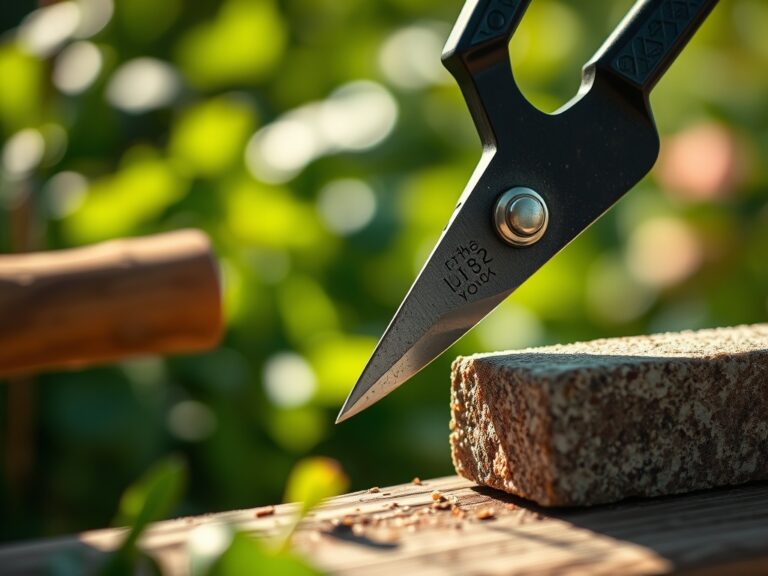
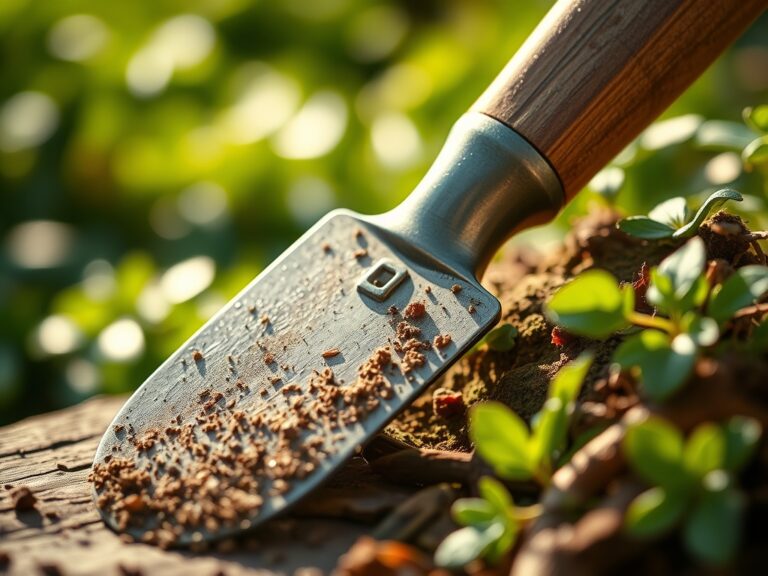
Precision timing is dictated by your USDA Hardiness Zone. In Zone 7, for instance, the last frost date typically falls between April 15 and May 10. Your tool care app must be calibrated to these windows. The "Biological Clock" of the garden is governed by the photoperiod, the amount of light a plant receives in a 24 hour cycle. As day length increases, plants transition from vegetative growth to reproductive stages. You must schedule tool maintenance, such as sharpening your hori-hori knife, at least two weeks prior to these transitions to prevent the introduction of pathogens through dull, tearing cuts during peak growth.
Phases:
Sowing
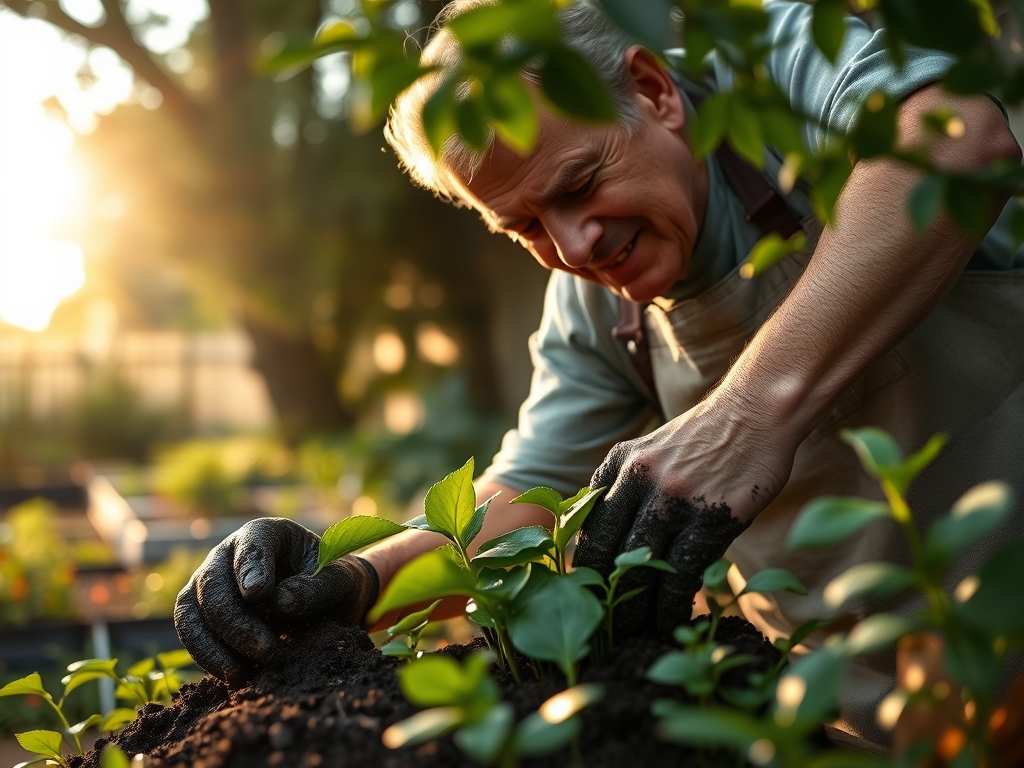
Direct sow seeds into a seedbed that has been tilled to a depth of 6 to 8 inches. Ensure the soil temperature has reached a consistent 65 degrees Fahrenheit for thermophilic species like Solanaceae.
Pro-Tip: Proper sowing depth is critical because of skotomorphogenesis, the growth pattern of a seedling in the dark. If buried too deep, the seedling exhausts its endosperm energy reserves before reaching the surface for photosynthesis.
Transplanting
When moving seedlings from flats to the field, ensure the root ball is thoroughly saturated. Dig a hole twice the width of the root system to reduce mechanical resistance for emerging secondary roots.
Pro-Tip: Minimize root disturbance to protect mycorrhizal symbiosis. These fungal networks extend the root surface area by up to 1,000 times, significantly increasing the uptake of immobile nutrients like phosphorus.
Establishing
During the first 21 days, monitor turgor pressure daily. The plant must maintain high internal water pressure to keep cell walls rigid and upright. Use a soil moisture meter to ensure the root zone remains at 70 percent field capacity.
Pro-Tip: Use a clean bypass pruner to remove early flower buds on young transplants. This triggers auxin suppression in the apical meristem, redirecting the plant's energy toward root and leaf development rather than premature reproduction.
The Clinic:
Physiological disorders often mimic infectious diseases but are rooted in environmental or nutritional stress.
-
Symptom: Interveinal chlorosis on young leaves (yellowing between green veins).
-
Solution: This indicates an Iron (Fe) deficiency, often caused by a pH above 7.0.
-
Fix-It: Apply chelated iron foliar spray and lower soil pH using elemental sulfur.
-
Symptom: Blossom end rot on fruit (necrotic black spots at the base).
-
Solution: This is a Calcium (Ca) deficiency often linked to inconsistent irrigation.
-
Fix-It: Maintain steady moisture levels to ensure the transpiration stream can carry calcium to the fruit.
-
Symptom: Purpling of older foliage.
-
Solution: This signifies Phosphorus (P) deficiency, common in cold, wet soils.
-
Fix-It: Side-dress with bone meal or a high-phosphate liquid fertilizer once soil temperatures rise above 55 degrees Fahrenheit.
Maintenance:
A rigorous maintenance schedule prevents physiological decline. Deliver exactly 1.5 inches of water per week at the drip line. Avoid overhead irrigation to minimize leaf wetness duration, which prevents fungal spore germination.
Every 30 days, inspect your bypass pruners for blade alignment. Use a soil moisture meter at three different depths (2, 4, and 6 inches) to map the hydration profile of your beds. After each use, wipe down your hori-hori knife with a 70 percent isopropyl alcohol solution to prevent the cross-contamination of soil-borne pathogens like Fusarium or Verticillium wilt.
The Yield:
Harvesting is a race against senescence, the biological aging of plant tissues. For leafy greens, harvest at 05:00 when the plant is at maximum turgidity from overnight hydraulic lift. For fruiting crops, look for "breaker stage" color changes which indicate peak sugar accumulation.
Post-harvest, immediately submerge produce in 40 degree Fahrenheit water to remove "field heat." This process slows the respiration rate, preserving the cellular structure and nutrient density for "day-one" freshness. Use a sharpened carbon steel blade for the harvest to ensure the parent plant heals the wound site rapidly via callus tissue formation.
FAQ:
How do I calibrate my tool care app for soil health?
Input your last soil test data, specifically pH and NPK levels. Set reminders for sulfur applications if pH exceeds 7.0 or lime if it drops below 6.0. Schedule these 60 days before the primary planting date.
What is the best way to track tool sharpening?
Set a recurring alert based on linear feet of hedging or number of cuts. For high-volume pruning, sharpen blades every 500 cuts to ensure clean vascular bisection and prevent the tearing of the plant's cambium layer.
How does soil texture affect tool maintenance?
High-sand soils are abrasive and dull blades faster through mechanical friction. If your soil has over 60 percent sand content, increase your sharpening frequency by 25 percent within your digital tracking system to maintain cutting efficiency.
When should I sanitize my garden tools?
Sanitize tools immediately after contact with any plant showing necrosis or chlorosis. Use a solution of 10 percent bleach or 70 percent ethanol. Program your app to require a "Sanitization Check" after every scheduled pruning task.