9 Best Modular Tool Kits for Garden Maintenance
The scent of geosmin rises from a freshly disturbed soil profile as the morning sun increases the turgor pressure within the xylem of a healthy hosta. Successful cultivation is not an accident of luck; it is a result of precise mechanical intervention and biological understanding. Selecting the Best tool kits for garden maintenance requires an appreciation for the physics of leverage and the chemistry of the rhizosphere. A gardener must possess the means to manipulate the soil structure without destroying the delicate fungal networks that support plant life. This guide focuses on the technical specifications of modular systems designed to manage high-density plantings and complex perennial borders. By integrating high-carbon steel implements with a deep understanding of plant physiology, you can maintain a landscape that thrives at the cellular level. Efficiency in the garden is measured by the reduction of plant stress during routine maintenance tasks.
Materials:
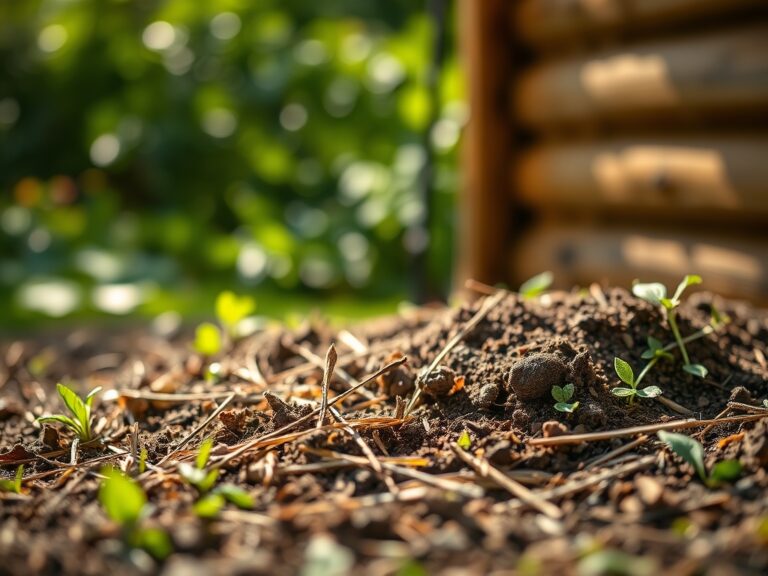
The foundation of any maintenance program is the substrate. An ideal **friable loam** consists of roughly 40 percent sand, 40 percent silt, and 20 percent clay. This balance ensures a high **Cation Exchange Capacity (CEC)**, allowing the soil to retain essential nutrients like ammonium, calcium, and magnesium. Before selecting your tool kit, analyze your soil pH. Most ornamental and edible crops require a **pH between 6.0 and 7.0** to ensure nutrient bioavailability.
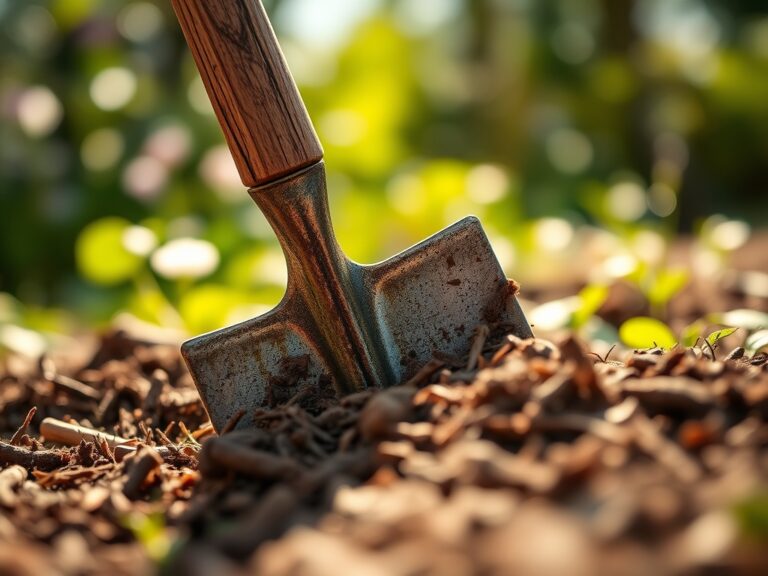
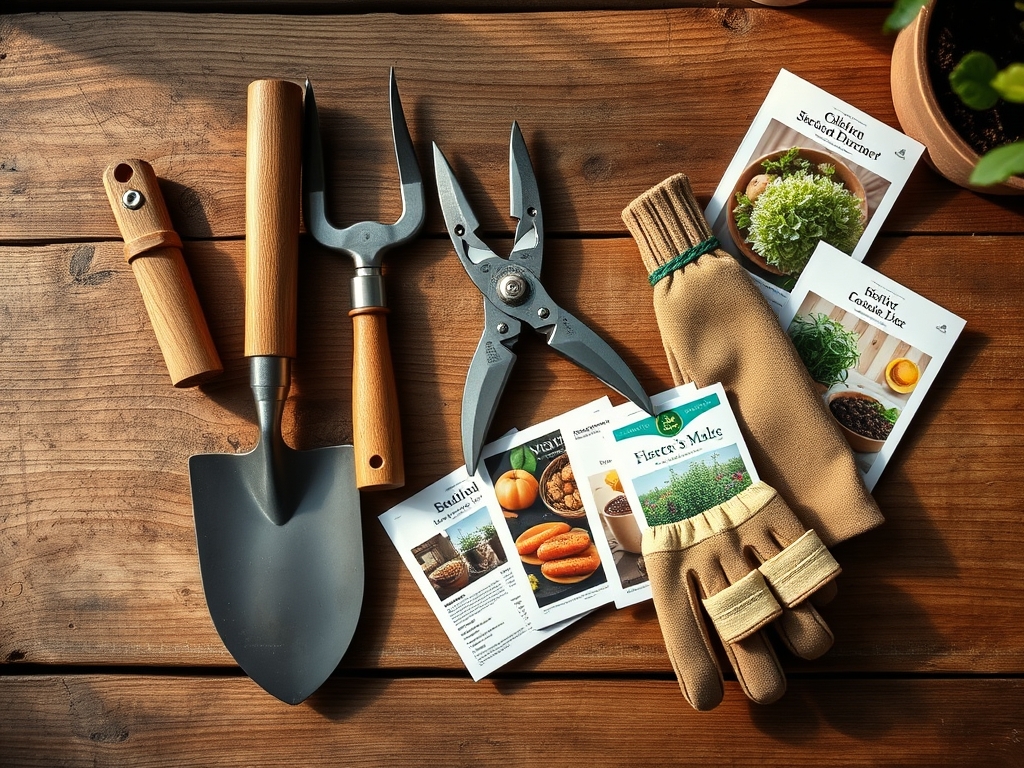
Nutrient management relies on specific NPK (Nitrogen, Phosphorus, Potassium) ratios. For vegetative growth, a 10-10-10 balanced fertilizer provides the baseline requirements. However, during the reproductive phase, a shift to a 5-10-10 ratio encourages bloom and fruit development without excessive foliage production. Your tool kit must include a soil moisture meter and a digital pH probe to monitor these variables accurately. A high-quality modular kit provides the interchangeable heads needed to incorporate these amendments into the top 6 inches of the soil profile without causing significant compaction.
Timing:
Successful garden maintenance is dictated by the United States Department of Agriculture (USDA) Hardiness Zones. In Zones 5 through 7, the primary maintenance window begins after the last spring frost, typically between April 15 and May 15. The biological clock of a plant is governed by the photoperiod, which triggers the transition from vegetative growth to reproductive senescence.
Monitoring the Growing Degree Days (GDD) allows for precise timing of pruning and fertilization. Pruning woody perennials should occur during dormancy, generally when temperatures remain consistently below 40 degrees Fahrenheit. This prevents the premature activation of auxins, the hormones responsible for apical dominance. If you prune too late in the spring, you risk sap loss and increased susceptibility to pathogens. Your modular tool kit should include sharp bypass pruners capable of making clean cuts on stems up to 0.75 inches in diameter to ensure rapid wound occlusion.
Phases:

Sowing
Direct sowing requires a seedbed prepared to a fine tilth. Use a modular rake attachment to break down clods to a diameter of less than 0.25 inches. Seeds must be planted at a depth generally equal to three times their width to ensure optimal seed-to-soil contact.
Pro-Tip: Proper seed-to-soil contact facilitates imbibition, the process where the seed coat absorbs water to activate metabolic enzymes. Without this physical contact, germination rates drop by over 40 percent.
Transplanting
When moving a plant, you must preserve the root ball and the surrounding rhizosphere. Use a hori-hori knife to cut through circling roots in container-bound specimens. This stimulates the growth of new lateral roots into the surrounding native soil.
Pro-Tip: Transplanting triggers a temporary cessation of transpiration. By reducing the leaf surface area or providing temporary shade, you minimize the water stress on the plant while it establishes mycorrhizal symbiosis with soil fungi.
Establishing
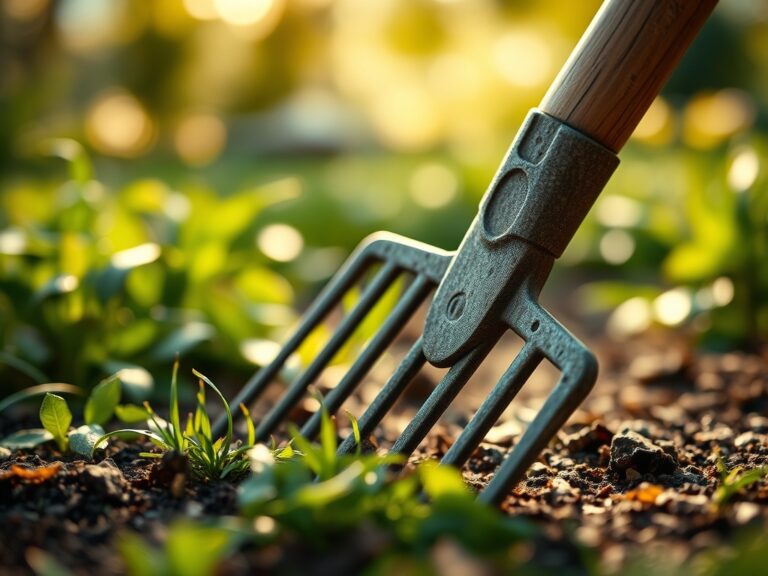
The first 14 days after planting are critical for root expansion. Maintain soil moisture at 60 to 70 percent of field capacity. Use a modular cultivator to keep the soil surface open, preventing the formation of a crust that inhibits gas exchange.
Pro-Tip: Cultivation prevents auxin suppression by ensuring that roots receive adequate oxygen. In anaerobic conditions, root tips produce ethylene, which can lead to premature leaf drop and stunted growth.
The Clinic:
Physiological disorders often mimic infectious diseases but are rooted in environmental stress or nutrient imbalances.
- Symptom: Interveinal chlorosis on young leaves.
Solution: This indicates an Iron (Fe) deficiency, often caused by a soil pH above 7.5. Lower the pH using elemental sulfur or apply chelated iron. - Symptom: Blossom end rot in tomatoes.
Solution: This is a Calcium (Ca) transport issue, often caused by inconsistent irrigation rather than a lack of soil calcium. Maintain consistent moisture levels. - Symptom: Marginal leaf burn on older foliage.
Solution: This typically signals Potassium (K) deficiency or salt accumulation. Flush the soil with 2 inches of water to leach excess salts. - Symptom: Purpling of the underside of leaves.
Solution: This is a classic sign of Phosphorus (P) deficiency, often seen in cold soils where P uptake is biologically restricted.
Fix-It for Nitrogen Chlorosis: If the entire plant appears pale green or yellow, apply a high-nitrogen liquid fertilizer with a ratio of 20-0-0 for immediate uptake through the roots.
Maintenance:
Precision is the hallmark of professional maintenance. Irrigate at a rate of 1.5 inches of water per week, delivered directly at the drip line of the plant to avoid wetting the foliage. This volume should be split into two deep watering sessions to encourage deep root penetration.
Utilize your bypass pruners to remove any dead, damaged, or diseased wood immediately. This prevents the spread of pathogens through the vascular system. For weeding, a hori-hori knife is the superior tool for extracting taproots like those of Taraxacum officinale without disturbing the root systems of neighboring ornamentals. Check the calibration of your soil moisture meter monthly by testing it in a saturated sponge to ensure data accuracy. Keep all tool edges honed to a 20-degree angle to ensure clean tissue separation.
The Yield:
Harvesting is the final stage of the biological cycle. For most fruiting plants, harvest occurs when the fruit reaches physiological maturity, often indicated by a change in skin color or a slight softening of the tissue. Use sharp snips to remove the fruit; pulling can cause mechanical damage to the peduncle and create an entry point for rot.
To maintain "day-one" freshness, harvest during the coolest part of the day, typically between 5:00 AM and 8:00 AM. This is when the plant is at maximum turgidity. Immediately submerge the cut ends of flowers in 110-degree Fahrenheit water to remove air bubbles from the xylem, a process known as conditioning. For edibles, rapid cooling to 40 degrees Fahrenheit slows the respiration rate and preserves sugars.
FAQ:
What is the most important tool for soil health?
The soil moisture meter is critical. It prevents over-irrigation, which leads to anaerobic conditions and root rot. Maintaining a moisture level of 50 to 70 percent field capacity ensures optimal gas exchange within the rhizosphere.
How often should I sharpen my bypass pruners?
Sharpen blades after every 10 hours of use or after cutting through diseased wood. A sharp blade ensures a clean cut, which allows the plant to form a callus quickly and prevents the entry of pathogens.
Why is soil pH so important for plant growth?
Soil pH dictates nutrient bioavailability. If the pH is outside the 6.0 to 7.0 range, essential elements like phosphorus and iron become chemically locked in the soil and cannot be absorbed by the plant roots.
When is the best time to apply NPK fertilizers?
Apply fertilizers during the active growth phase when the plant has sufficient leaf area to process nutrients. Avoid application during extreme heat or drought, as this can lead to root burn and increased osmotic stress.