8 Best Stain for Outdoor Wood
The smell of damp earth and the high turgor pressure of a healthy leaf signify a thriving garden, but the structural integrity of the surrounding landscape depends on wood preservation. Choosing the best stain for outdoor wood is not merely an aesthetic choice; it is a critical horticultural intervention to prevent fungal decay and moisture infiltration near your planting beds. Exposure to ultraviolet radiation and fluctuating humidity levels causes lignin degradation, leading to cellular collapse in lumber. A high quality penetrating oil or film forming finish acts as a barrier, ensuring that the structures supporting your climbing vines or raised beds remain structurally sound for decades.
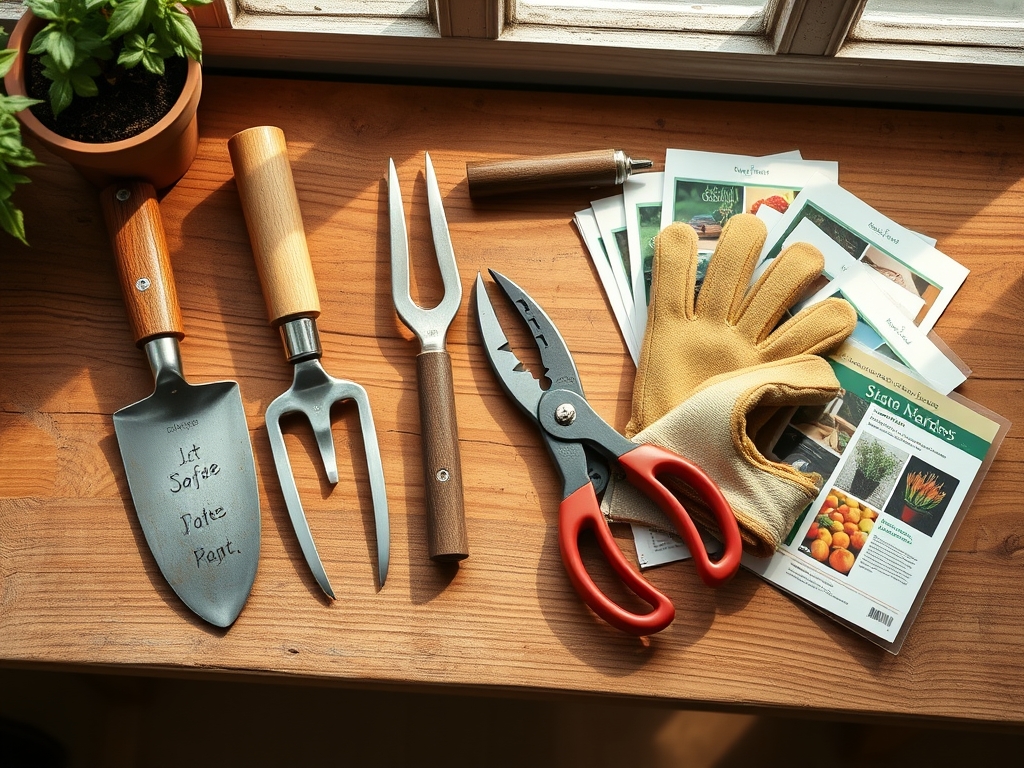
Materials:
While staining wood focuses on the timber, the surrounding soil must be protected during application. Maintain a **pH level between 6.0 and 7.0** to ensure maximum nutrient availability for nearby ornamentals. The ideal substrate is a **friable loam** with a high Cation Exchange Capacity (CEC), allowing the soil to hold onto essential cations like calcium and magnesium. When applying wood treatments, use a **10-10-10 NPK ratio** fertilizer for nearby perennials to offset any minor environmental stress. Ensure the soil texture allows for rapid drainage to prevent the pooling of any runoff from the staining process, which could interfere with the delicate microbial balance of the rhizosphere.
Timing:
Successful application requires strict adherence to the biological clock of your garden and the local climate. In Hardiness Zones 5 through 8, the optimal window for wood maintenance is after the last spring frost but before the intense heat of the summer solstice. Wood must have a moisture content below 12 percent to allow for deep penetration of the pigments. Monitor the photoperiod; applying stain during periods of high solar intensity can cause the finish to flash dry, preventing the oils from saturating the wood fibers. Ideally, schedule this work when the ambient temperature remains between 50 and 85 degrees Fahrenheit for a minimum of 48 hours.
Phases:
Sowing the Foundation
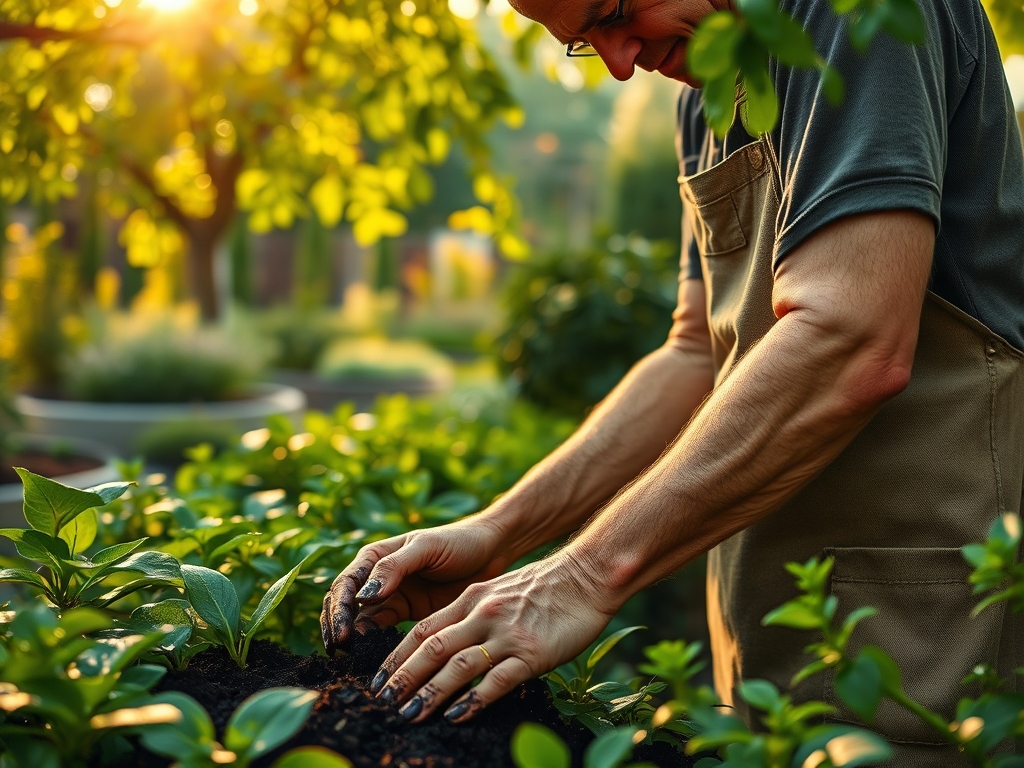
Before applying the best stain for outdoor wood, the surface must be mechanically cleaned. Use a stiff brush to remove organic debris and fungal spores. If the wood shows signs of graying, it indicates lignin damage from UV exposure. Sanding the surface opens the grain, much like tilling the soil increases aeration for root respiration.
Pro-Tip: Open wood pores allow for better capillary action. This is similar to how xylem vessels transport water upward; the wood grain pulls the stain into the cellular structure via surface tension and pressure gradients.
Transplanting the Finish
Apply the stain using a natural bristle brush or a high volume low pressure (HVLP) sprayer. Work in small sections to maintain a wet edge, preventing lap marks. For vertical structures like trellises, start at the top and work downward to manage gravity-induced runs. Ensure the product saturates the end grain, as this is where the wood is most susceptible to moisture wicking.
Pro-Tip: Saturating the end grain prevents hygroscopic expansion. By blocking the tracheids in the wood, you stop the internal pressure changes that lead to warping and checking.
Establishing Protection
Allow the first coat to cure for the duration specified by the manufacturer, typically 24 to 48 hours. A second coat may be necessary for porous softwoods like cedar or pine. Once cured, the finish should repel water, causing it to bead on the surface. This hydrophobic layer protects the wood from the same moisture that your plants crave in the soil.
Pro-Tip: A cured finish creates a barrier against enzymatic degradation. Just as plants use secondary metabolites to ward off pathogens, the resins in the stain inhibit the growth of wood-decay fungi.
The Clinic:
Wood structures and the plants they support often exhibit physiological distress that requires immediate intervention.
- Symptom: Wood Discoloration (Graying).
- Solution: This is caused by UV photodegradation of lignin. Sand the wood to reveal fresh tracheids and apply a UV-rated semi-transparent stain.
- Symptom: Peeling or Flaking Finish.
- Solution: Often the result of high internal moisture content during application. Ensure wood is dried to 12 percent moisture before re-coating.
- Symptom: Nitrogen Chlorosis in nearby plants.
- Solution (Fix-It): If foliage turns pale yellow while veins remain green, the soil may be leaching nitrogen. Apply a quick-release high-nitrogen fertilizer (20-0-0) to restore chlorophyll production.
- Symptom: Iron Deficiency (Interveinal Chlorosis).
- Solution (Fix-It): If the soil pH rises above 7.5 due to construction runoff, iron becomes insoluble. Lower the pH using elemental sulfur or apply chelated iron foliar spray.
Maintenance:
Maintaining the health of the garden and the integrity of the wood requires precision tools and consistent data. Use a soil moisture meter to ensure your garden receives exactly 1.5 inches of water per week at the drip line. Over-watering can lead to root rot and increased humidity around wood structures, accelerating rot. For pruning tasks near stained fences, use bypass pruners to make clean cuts at a 45-degree angle above the lateral bud; this prevents jagged edges that harbor pests. When weeding near wooden posts, a hori-hori knife allows for deep extraction of taproots without scarring the finished wood surface. Inspect the wood finish annually for signs of thinning or water absorption.
The Yield:
While wood does not produce a caloric yield, the "harvest" of a well-maintained garden is the longevity of its structural components. For those growing timber-supported edibles like grapes or hops, the harvest timing is dictated by sugar concentration (Brix levels). Use a refractometer to measure the sap. Once harvested, handle the produce with care to maintain turgor pressure. Cooling the produce immediately to 40 degrees Fahrenheit slows down the rate of respiration and senescence, ensuring "day-one" freshness for the kitchen.
FAQ:
What is the best moisture level for staining wood?
Wood must have a moisture content of 12 percent or lower. Use a digital moisture meter to verify the internal hydration. Staining damp wood traps moisture, leading to internal fungal growth and premature film failure.
How does soil pH affect wood structures?
Highly acidic or alkaline soils can accelerate the corrosion of metal fasteners holding wood together. Maintain a neutral pH of 6.5 to 7.0 to protect both the plant roots and the structural hardware of your garden.
Can I stain wood near food crops?
Yes, but you must select a non-toxic, low-VOC oil finish. Ensure the product is fully cured before planting nearby to prevent any chemical leaching into the rhizosphere, which could affect the plant's metabolic processes.
How often should I re-apply wood stain?
Horizontal surfaces require maintenance every 2 to 3 years, while vertical surfaces may last 5 years. Perform a "water bead test" annually; if water soaks into the grain, the protective barrier has reached senescence.