9 Drainage Steps for Repotting a Money Tree with Support
The smell of anaerobic decomposition is the first warning of a failing root system; it is the scent of swamp gas and cellular collapse. When the Pachira aquatica loses its structural turgor pressure, the leaves droop and the stems soften. To reverse this, you must master the steps for repotting a money tree with a focus on drainage and support. This process is not merely a cosmetic change but a critical intervention in the plant's rhizosphere to prevent root rot. Success depends on precise soil chemistry and the physical mechanics of water movement. You are aiming for a substrate that allows for rapid oxygen diffusion while maintaining enough moisture to prevent desiccation. A healthy money tree should have firm, woody trunks and glossy, dark green palmate leaves. If the soil remains saturated for more than 48 hours, the plant is at risk of fungal pathogens. Correcting the drainage profile through a systematic repotting process ensures the plant can continue its vegetative growth without the threat of vascular compromise or nutrient lockout.
Materials:
The ideal substrate for a money tree is a friable loam with a high Cation Exchange Capacity (CEC) to hold nutrients while allowing excess water to exit. You require a growing medium with a **pH between 6.0 and 7.5**. The NPK ratio for the initial transplant should be low in nitrogen to avoid burning new root hairs; look for a **2-2-2 or 3-1-2 organic blend**.
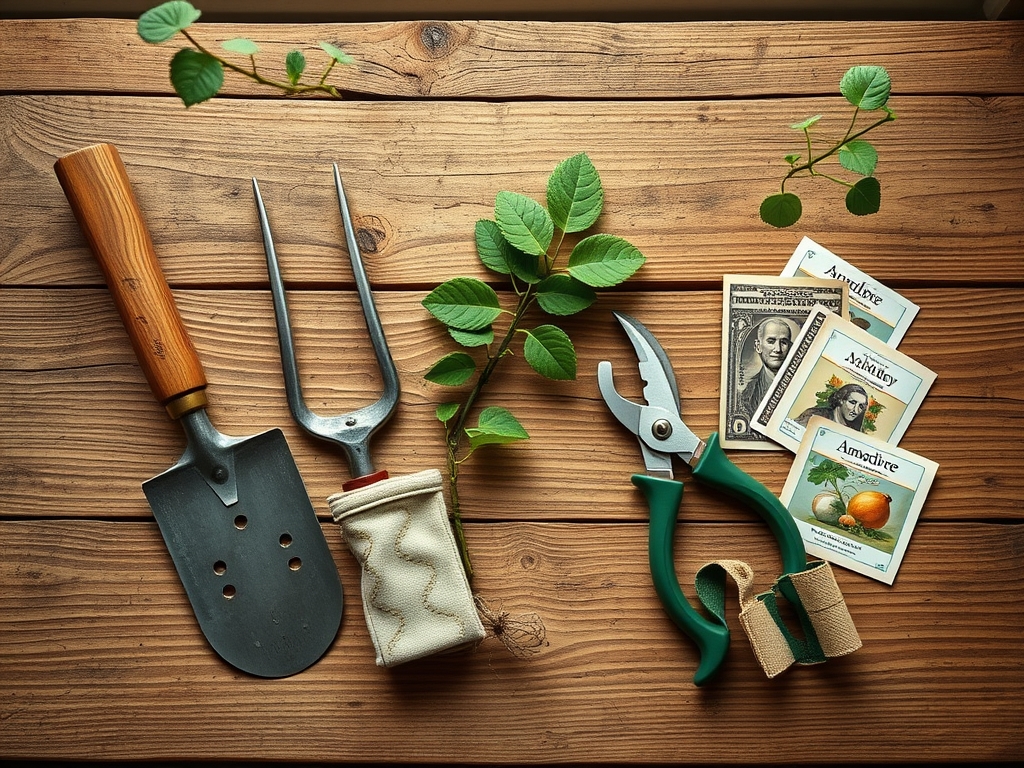
Specific materials include:
- Peat moss or coconut coir: Provides the base for moisture retention.
- Perlite or coarse sand: Essential for macro-pore space to facilitate drainage.
- Pine bark fines: Increases acidity and provides structural integrity to the mix.
- Porous ceramic or terracotta pot: These materials allow for gas exchange through the sidewalls.
- Bamboo stakes or a moss pole: For mechanical support of the braided trunks.
- Sterilized bypass pruners: To remove necrotic root tissue.
The physical texture must be gritty. When squeezed, the damp soil should form a loose ball that shatters easily when poked. This indicates sufficient aeration for the root system.
Timing:
Pachira aquatica is native to Central and South American wetlands but is typically grown indoors in Hardiness Zones 10 through 12. The biological clock of the plant is tied to the photoperiod. You should initiate the steps for repotting a money tree during the late spring or early summer. This coincides with the plant's peak metabolic rate and the transition from semi-dormancy to active vegetative expansion.
Avoid repotting during the winter months when light levels are low. During this time, the plant's auxin production slows down and the rate of root regeneration is insufficient to recover from transplant shock. If you observe new leaf primordia appearing at the branch tips, the plant has entered its active growth phase. This is the optimal window. Ensure the ambient temperature remains between 65 and 85 degrees Fahrenheit during the transition to prevent thermal stress on the exposed root mass.
Phases:

Sowing the Foundation (Preparation)
Begin by hydrating the plant 24 hours before the move. This ensures the cells have maximum turgor pressure. Prepare the new vessel, which should be no more than 2 inches wider than the current pot. A pot that is too large creates a "perched water table" where the bottom layer of soil remains saturated because the roots cannot reach it to draw out moisture.
Pro-Tip: Always sanitize your tools with a 10 percent bleach solution. This prevents the transfer of soil-borne pathogens like Pythium, which can exploit the microscopic wounds created during the transplant process.
Transplanting and Root Pruning
Carefully remove the plant from its container. Use a hori-hori knife to tease out the roots if they have become pot-bound. If you encounter roots that are black, slimy, or emit a foul odor, prune them back to healthy, white tissue. Healthy roots should be firm and light in color. Place the plant in the center of the new pot, ensuring the soil line remains at the same level on the trunk as it was previously. Burying the trunk too deep can lead to stem rot.
Pro-Tip: When pruning roots, you trigger a hormonal response where the plant redirects energy to produce new root tips. This is known as "apical dominance" shifting to the root system, which eventually leads to a more robust nutrient uptake capacity.
Establishing and Support
Fill the voids with your prepared substrate, tamping down lightly to eliminate large air pockets without compacting the soil. Insert your support stake at least 4 inches deep into the soil, being careful not to pierce the main root ball. Secure the trunks to the stake using soft plant ties. This mechanical support prevents the plant from leaning, which can cause uneven weight distribution and structural failure as it grows taller.
Pro-Tip: Use mycorrhizal inoculants during this phase. These beneficial fungi form a symbiotic relationship with the roots, effectively increasing the surface area for water and phosphorus absorption through a network of hyphae.
The Clinic:
Physiological disorders in money trees are often misdiagnosed as pests when they are actually environmental or nutritional.
- Symptom: Yellowing of lower leaves (Chlorosis).
- Solution: This is often a Nitrogen deficiency. Apply a liquid fertilizer with a higher N-value (like 10-5-5) at half strength.
- Symptom: Brown, crispy leaf margins.
- Solution: This indicates low humidity or salt buildup from tap water. Flush the soil with distilled water and increase ambient humidity to above 50 percent.
- Symptom: Sudden leaf drop (Abscission).
- Solution: This is usually a reaction to a drastic change in temperature or light. Stabilize the environment and ensure the plant is not in the path of AC vents or heaters.
Fix-It for Nitrogen Chlorosis: If the veins remain green but the leaf tissue turns yellow, it may be Magnesium deficiency. Add 1 tablespoon of Epsom salts per gallon of water during the next irrigation cycle to restore magnesium levels.
Maintenance:
Precision in aftercare determines the success of the repotting. Use a soil moisture meter to check the hydration levels at a depth of 3 inches. Do not water until the top 2 inches of soil are dry to the touch. Typically, this plant requires 1.5 inches of water per week, delivered evenly around the root zone.
Use bypass pruners to remove any dead or senescing leaves to prevent them from becoming hosts for saprophytic fungi. Every six months, wipe the leaves with a damp cloth to remove dust; this ensures the stomata remain clear for gas exchange and photosynthesis. If the plant becomes top-heavy, use the hori-hori knife to check soil compaction levels near the stakes and adjust the support as needed.
The Yield:
While Pachira aquatica is primarily ornamental in indoor settings, its "yield" is measured in biomass and canopy density. To maintain a lush appearance, prune the terminal buds during the active growing season. This suppresses auxin flow to the tips and encourages lateral branching. If you are harvesting cuttings for propagation, select a stem with at least two nodes and place it immediately in a sterile medium. For "day-one" freshness in cuttings, keep them in a high-humidity environment (70-80 percent) until adventitious roots begin to form.
FAQ:
How do I know if my money tree needs repotting?
Check for roots protruding from drainage holes or water sitting on the soil surface. If the plant requires daily watering to prevent wilting, the root-to-soil ratio is too high. Repotting is necessary every two to three years.
What is the best soil for a money tree?
A well-draining mixture is essential. Use a blend of 50 percent potting soil, 25 percent perlite, and 25 percent coarse sand. This ensures a high oxygen environment in the rhizosphere while maintaining a stable pH between 6.0 and 7.5.
Why are my money tree leaves turning yellow after repotting?
This is usually transplant shock or overwatering. Ensure the new pot has functional drainage. Allow the soil to dry out significantly before the next watering. The plant is likely reallocating resources while the root system stabilizes in the new medium.
Should I fertilize immediately after repotting?
No. Wait at least four to six weeks before applying fertilizer. The new soil often contains enough nutrients, and the roots need time to recover from handling. Adding salts too early can dehydrate and damage new, sensitive root hairs.