7 Best Evergreens for Year Round Privacy
The smell of crushed resin and damp humus signals a healthy coniferous root zone. When a needle maintains high turgor pressure, it resists the desiccating winds of winter; this cellular resilience is the foundation of a functional living screen. Selecting the best evergreens for year round privacy requires more than aesthetic preference. It demands an understanding of lignification and the metabolic costs of maintaining foliage during dormancy. A successful privacy barrier acts as a biological filter, buffering wind and noise while providing a permanent visual obstruction. These seven species are selected for their high growth rates, dense branch architecture, and adaptability to diverse soil profiles. You are not merely planting trees; you are engineering a vertical ecosystem that must withstand environmental stressors for decades. Success depends on the intersection of site-specific hydrology and the genetic potential of the cultivar.
Materials:
The substrate is the primary driver of tree health. Most evergreens thrive in a **friable loam** with a **pH range of 5.5 to 6.5**. This acidity ensures that micronutrients like iron and manganese remain bioavailable. High clay content can lead to anaerobic conditions in the rhizosphere, causing root rot. Conversely, excessively sandy soils lack the **Cation Exchange Capacity (CEC)** necessary to hold onto vital nutrients.
For the establishment phase, use a slow-release fertilizer with an NPK ratio of 10-8-6. This provides sufficient nitrogen for needle development while phosphorus and potassium support root elongation and cellular wall strength. Avoid high-nitrogen "turf" fertilizers near the drip line, as they can cause rapid, weak growth that is susceptible to ice damage. Organic matter should constitute 5 to 10 percent of the total soil volume to improve moisture retention and support beneficial microbial activity.
Timing:
Most privacy evergreens are suited for USDA Hardiness Zones 3 through 9, depending on the species. The ideal planting window opens in early spring, immediately after the ground thaws but before the breaking of bud dormancy. This allows the root system to establish before the high transpiration demands of summer. A secondary window exists in early autumn, at least six weeks before the first hard frost. This timing leverages the "Biological Clock" of the tree; as day length shortens, the plant shifts from vegetative growth to root development and carbohydrate storage. Soil temperatures should be between 40 and 50 degrees Fahrenheit to facilitate active root respiration.
Phases:
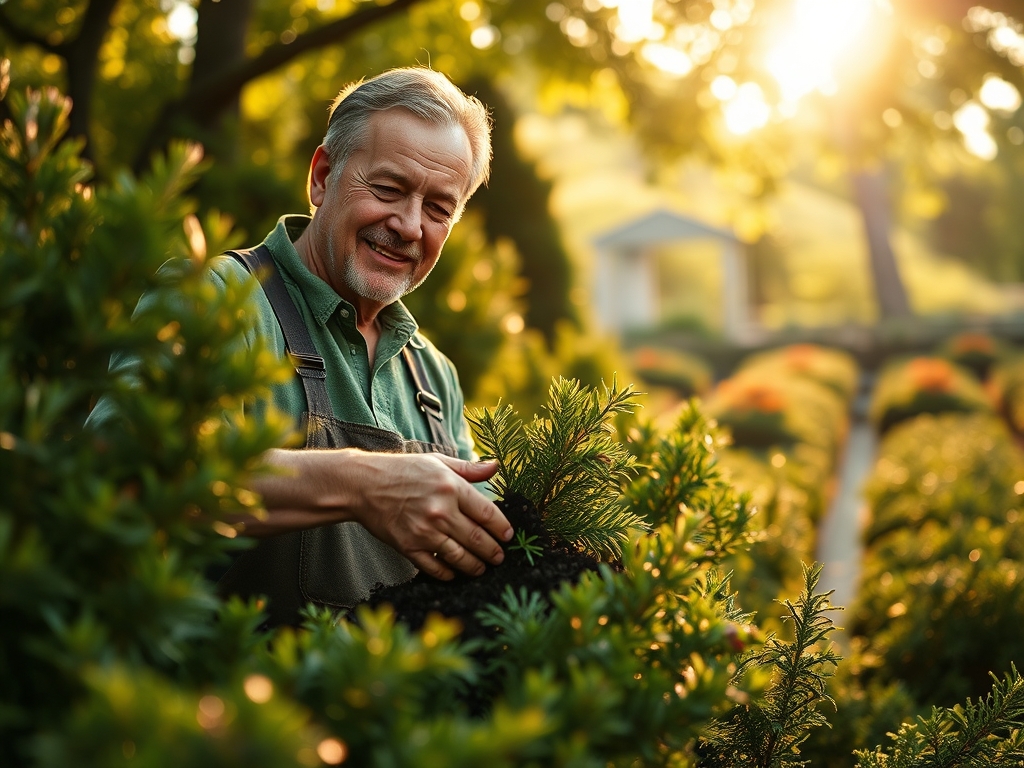
Sowing and Selection
While most homeowners purchase container-grown specimens, starting from seed requires a period of cold stratification for 60 to 90 days. For immediate privacy, select "Balled and Burlapped" (B&B) stock or containers. Inspect the root ball for circling roots, which can lead to girdling. The seven best species for this application include Thuja standishii x plicata 'Green Giant', Cupressocyparis leylandii, Juniperus virginiana, Picea abies, Taxus x media, Ilex opaca, and Pinus strobus.
Pro-Tip: Ensure the root flare is visible at the soil surface. Planting too deep causes stem suffocation because the bark is not adapted to the constant moisture of the soil, leading to a breakdown in the vascular cambium.
Transplanting
Dig a hole two to three times the width of the root ball but no deeper. This creates a zone of loosened soil that encourages lateral root expansion. When moving the tree, handle it by the root ball rather than the trunk to avoid damaging the delicate connection between the roots and the soil. Backfill with native soil to ensure the roots do not encounter a "textural interface" that could impede water movement.
Pro-Tip: Apply a mycorrhizal inoculant to the planting hole. This mycorrhizal symbiosis expands the surface area of the root system by up to 1,000 times, significantly increasing the uptake of phosphorus and water.
Establishing
During the first two growing seasons, the tree is in a state of establishment. It must prioritize root growth over vertical height. Consistent hydration is mandatory. Use a soil moisture meter to ensure the root zone remains damp but not saturated. Mulch with 3 inches of wood chips, keeping the mulch 4 inches away from the trunk to prevent fungal pathogens.
Pro-Tip: Avoid heavy pruning in the first year. The plant needs its full leaf area to maximize photosynthesis and produce the sugars required for root regeneration. Pruning too early can trigger auxin suppression, slowing the overall development of the tree.
The Clinic:
Physiological disorders often mimic disease but are usually rooted in environmental stress or nutrient imbalances.
- Symptom: Needle Browning from the Inside Out. This is often "Inner Needle Shed," a natural process where the tree sheds older, shaded needles. However, if it occurs on the tips, it indicates drought stress or salt damage.
- Solution: Increase deep watering and check the electrical conductivity (EC) of the soil if you are near a salted roadway.
- Symptom: Interveinal Chlorosis (Yellowing). This typically indicates a nitrogen deficiency or a pH that is too high, locking out iron.
- Fix-It: Apply a chelated iron supplement and adjust the soil pH using elemental sulfur to bring it back to the 5.8 to 6.2 range.
- Symptom: Dieback of Lower Branches. This is usually caused by insufficient light or poor air circulation.
- Solution: Space trees at a distance equal to half their mature width to ensure light reaches the lower canopy and prevents fungal pathogens like Cytospora canker.
Maintenance:
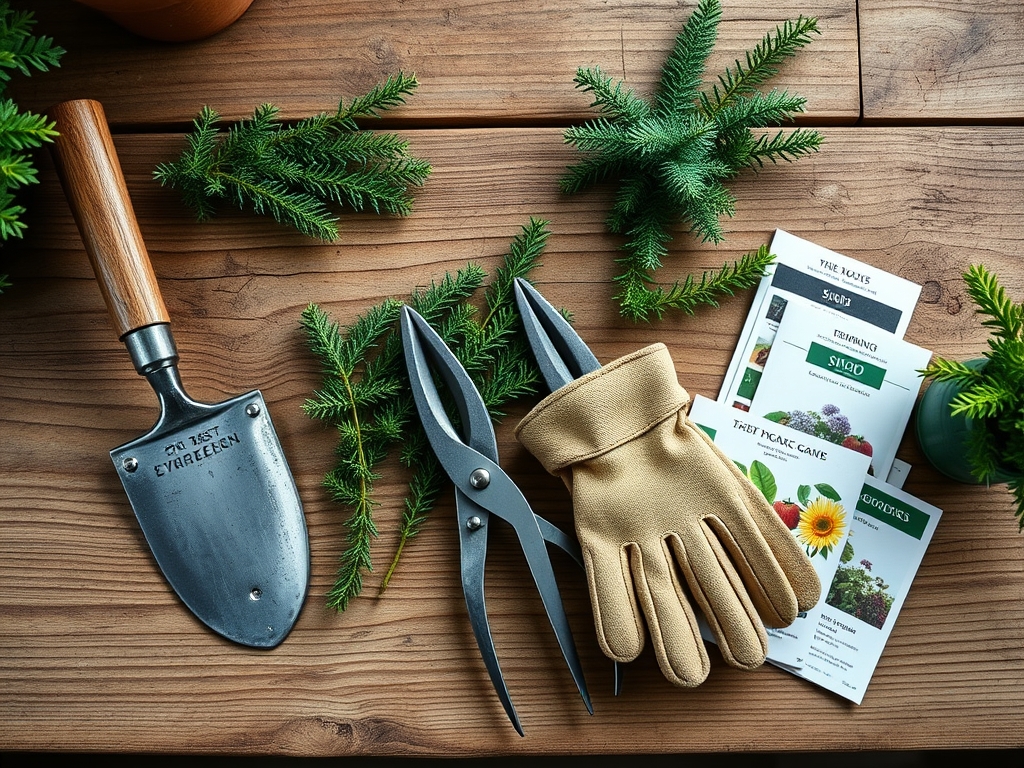
Precision is the hallmark of a master horticulturist. Evergreens require 1.5 inches of water per week, delivered via drip irrigation or a soaker hose at the drip line. Use a hori-hori knife to remove competing weeds and a soil moisture meter to verify deep penetration of water. Pruning should be done with sharp bypass pruners to ensure clean cuts that heal quickly. For formal hedges, prune in late spring after the initial flush of growth. Always leave the base of the hedge wider than the top; this allows sunlight to reach the bottom branches, preventing "leggy" growth and maintaining density at ground level. Monitor for pests by shaking a branch over a white piece of paper; this makes small mites or scale insects visible for identification.
The Yield:
While these evergreens are primarily functional, some species like the Ilex opaca (American Holly) or Juniperus virginiana (Eastern Red Cedar) produce berries or cones. For holly, harvest berried branches in December using sharp shears. To maintain "day-one" freshness, submerge the cut ends in cool water immediately and store them in a high-humidity environment at 35 to 40 degrees Fahrenheit. This slows the rate of respiration and prevents the abscission of the berries.
FAQ:
How fast do 'Green Giant' Arborvitae grow?
Under optimal conditions with a consistent 10-8-6 NPK regimen, these trees can grow 3 to 5 feet per year. They reach a mature height of 50 feet, making them the most efficient choice for rapid, high-altitude privacy.
Can I grow evergreens in heavy clay?
Yes, but you must select species like Picea abies (Norway Spruce) that tolerate low oxygen. Improve the site by planting on a slight mound to encourage drainage away from the rhizosphere, preventing root asphyxiation and fungal rot.
What is the best evergreen for shade?
The Taxus (Yew) genus is the most shade-tolerant evergreen for privacy. It maintains dense foliage in low-light conditions where most conifers would experience needle drop. Ensure the soil is well-drained, as Yews are highly sensitive to "wet feet."
When should I stop fertilizing evergreens?
Cease all nitrogen applications by mid-July. Late-season fertilization encourages succulent new growth that will not have sufficient time to lignify before the first frost. This leaves the tree vulnerable to severe winter kill and tip dieback.