10 Simple Ways How to Grow Napa Cabbage
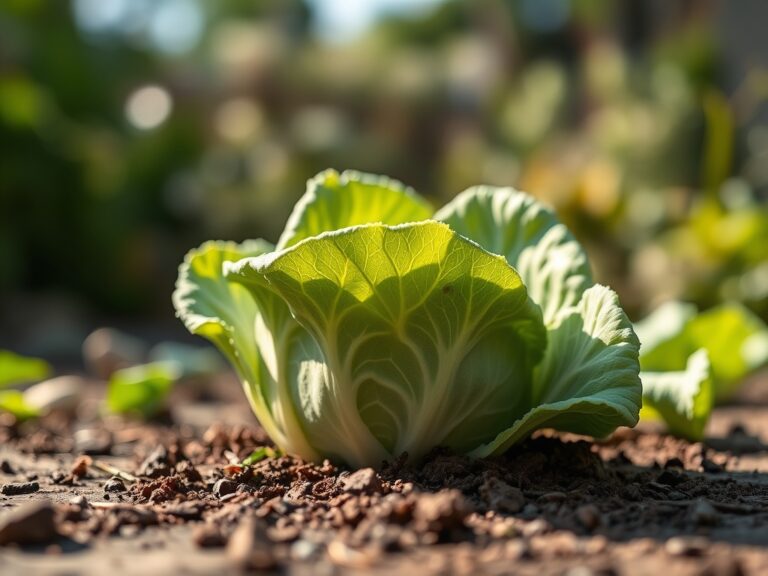
Damp earth carries the scent of geosmin and decomposing organic matter as the morning mist settles over the brassica beds. When you snap a leaf of Brassica rapa subsp. pekinensis, the audible crack signals high turgor pressure within the cellular walls. Learning how to grow napa cabbage requires more than casual observation; it demands a rigorous understanding of soil chemistry and thermal windows. This cool-season biennial relies on rapid vegetative expansion before the photoperiod triggers reproductive senescence. To achieve the dense, blanched hearts prized in culinary applications, the grower must manage nitrogen availability and moisture consistency with surgical precision. Success is measured in the weight of the head and the absence of physiological tip burn.
Materials:
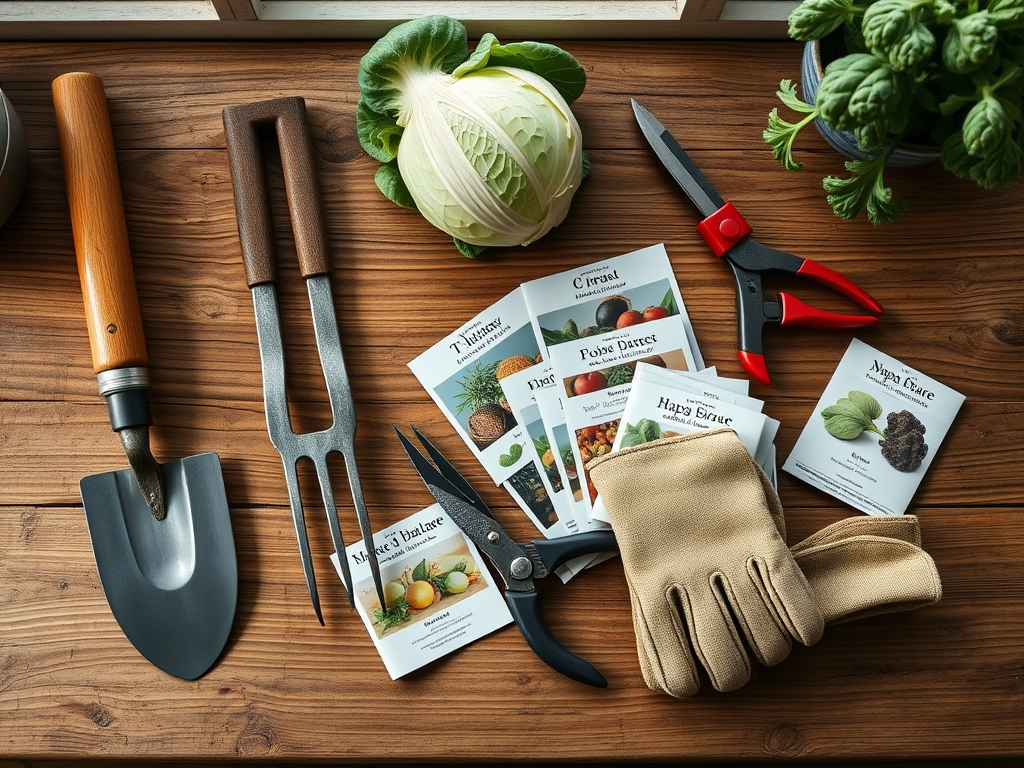
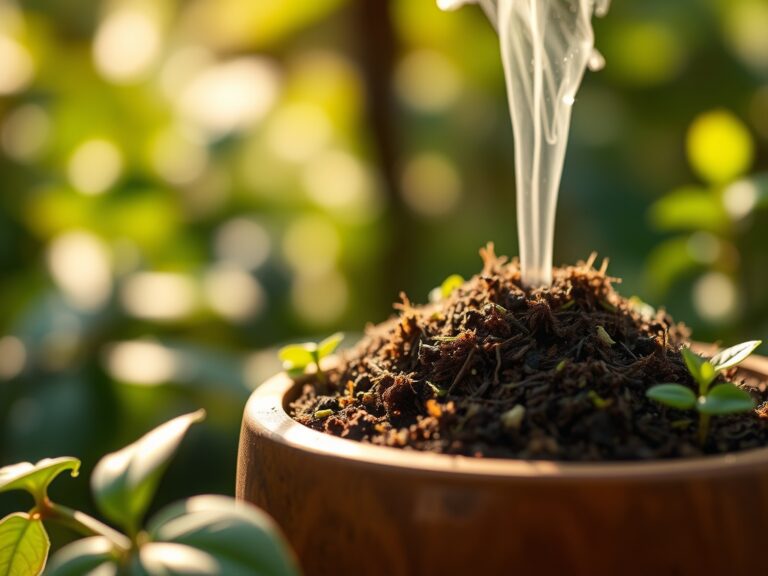
Cultivating premium napa cabbage begins with a **friable loam** substrate characterized by high porosity and a robust Cation Exchange Capacity (CEC). The soil must be capable of holding nutrients without becoming anaerobic. Aim for a **pH level between 6.0 and 7.5** to ensure maximum bioavailability of micronutrients.
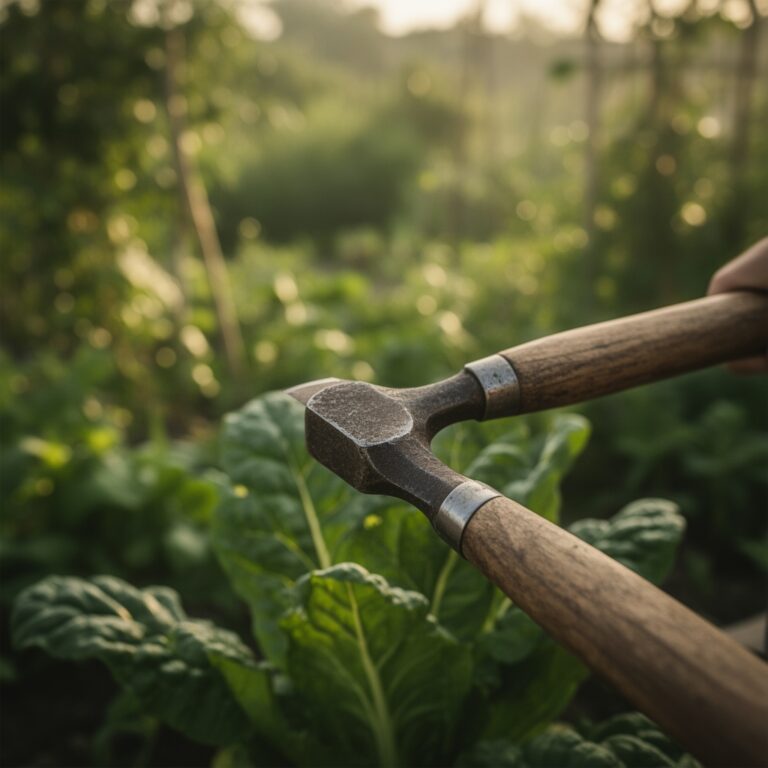
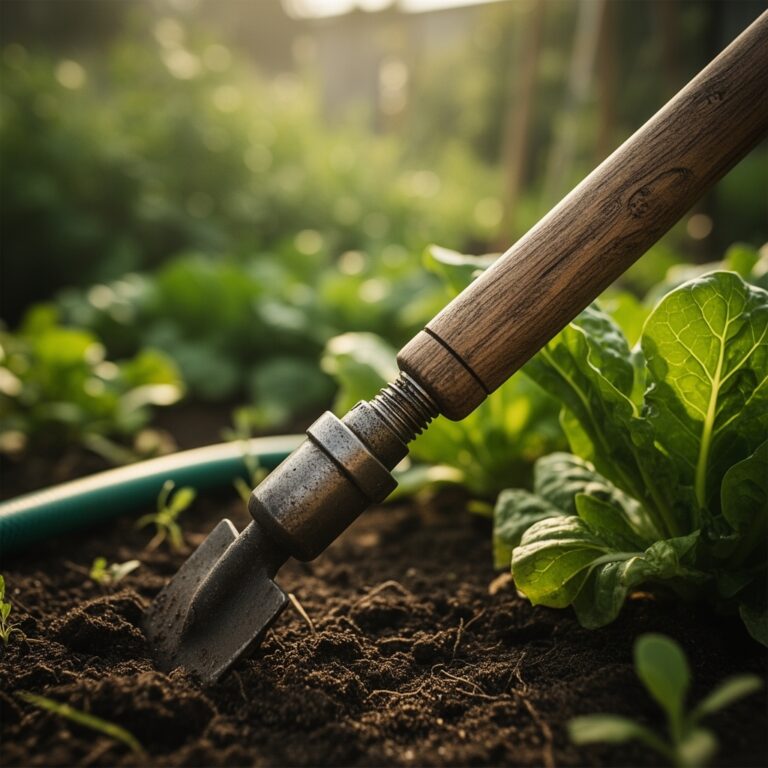
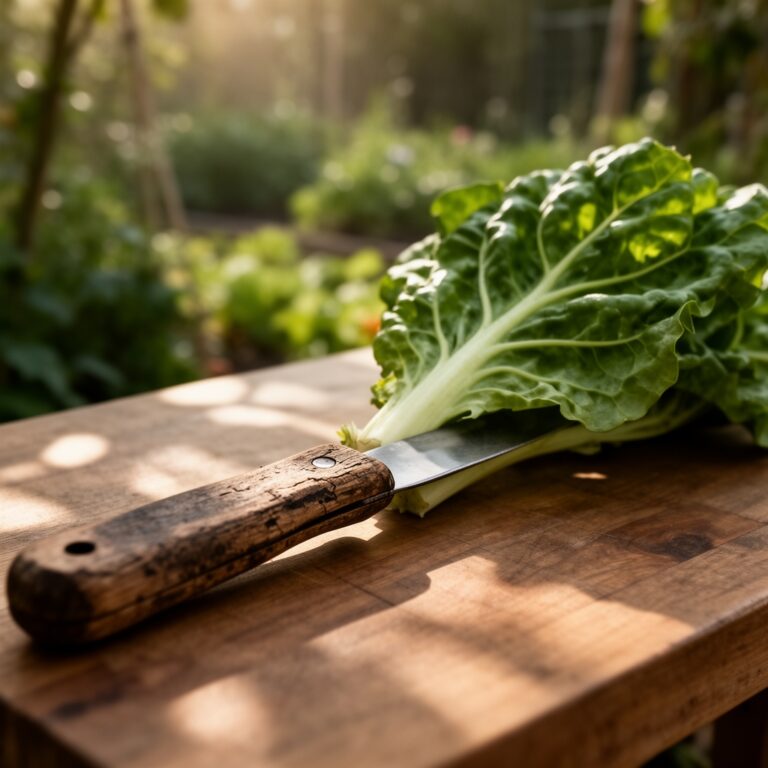
Prepare the site with a base fertilizer application featuring an NPK ratio of 10-10-10 at a rate of 2 pounds per 100 square feet. As the plant enters its rapid growth phase, a supplemental side-dressing of high-nitrogen fertilizer, such as a 21-0-0 (Ammonium Sulfate), supports the massive leaf production required for head formation. You will also need a soil moisture meter to monitor the rhizosphere and a hori-hori knife for precise transplanting and weeding.
Timing:
Napa cabbage is highly sensitive to the "Biological Clock," specifically the transition from vegetative growth to the reproductive stage known as bolting. This plant is a long-day biennial; if it experiences temperatures below 50 degrees Fahrenheit for extended periods during its youth, followed by increasing day lengths, it will bypass head formation and produce a flower stalk.
In Hardiness Zones 4 through 9, the primary windows for success are early spring and late summer. For a fall harvest, calculate the sowing date by subtracting 75 to 85 days from your first expected hard frost. The goal is to have the cabbage reach maturity during the cooling temperatures of autumn, which increases sugar accumulation and improves the crispness of the foliage.
Phases:
Sowing
Start seeds indoors in 72-cell plug trays to minimize root disturbance. Sow seeds 0.25 inches deep in a sterile seed-starting mix. Maintain a consistent temperature of 70 degrees Fahrenheit for germination, which typically occurs within 4 to 7 days.
Pro-Tip: Ensure high light intensity immediately upon emergence to prevent hypocotyl elongation. This prevents "leggy" seedlings by regulating auxin distribution, ensuring the plant develops a stout, structural base capable of supporting a heavy head.
Transplanting
Move seedlings to the field when they possess 4 to 6 true leaves. Space plants 12 to 18 inches apart in rows separated by 24 inches. Use a hori-hori knife to create a vertical shaft in the soil, ensuring the root ball is seated at the same depth as it was in the tray.
Pro-Tip: Inoculate the transplant hole with mycorrhizal fungi. This symbiotic relationship extends the reach of the root system, enhancing the uptake of phosphorus and water, which is critical for maintaining the turgor pressure required for leaf expansion.
Establishing
The first 14 days post-transplant are critical for root establishment. Avoid heavy fertilization during this window to prevent salt burn on young root hairs. Focus on consistent hydration to mitigate transplant shock.
Pro-Tip: Apply a thin layer of organic mulch to regulate soil temperature. This stabilizes the rhizosphere, preventing the thermal spikes that can trigger early bolting through stress-induced hormonal shifts.
The Clinic:
Physiological disorders often mimic infectious diseases but are rooted in environmental or nutritional imbalances.
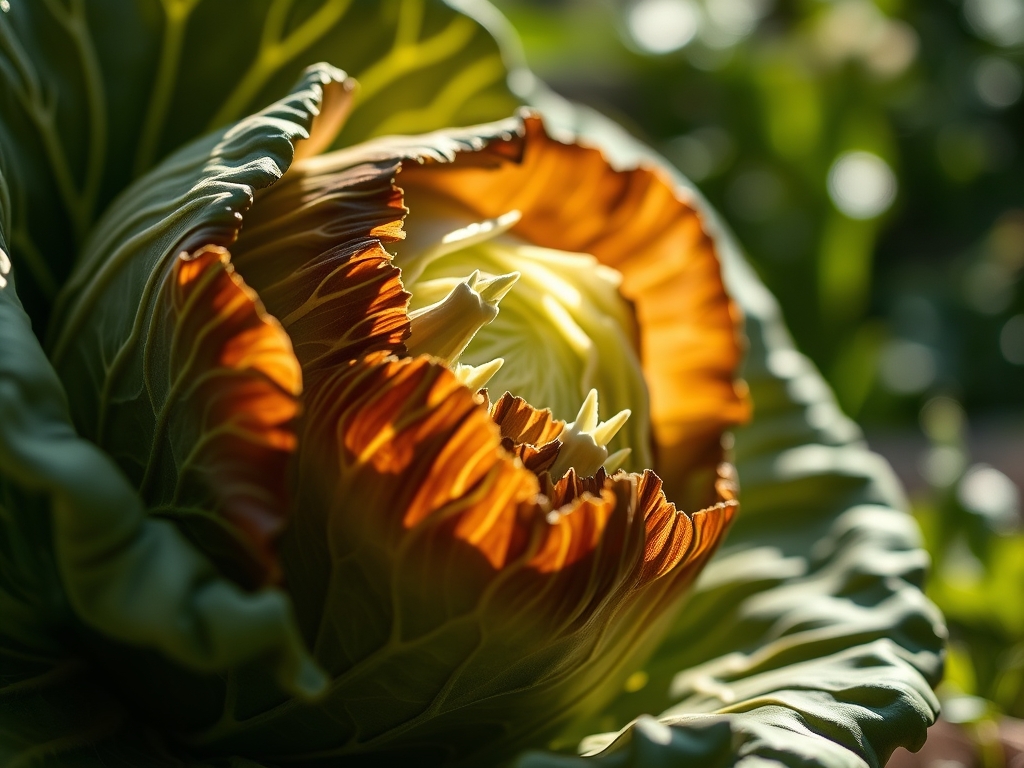
Symptom: Internal Tip Burn. The margins of inner leaves turn brown and necrotic while the outer head looks healthy.
Solution: This is caused by a Calcium deficiency, often induced by inconsistent watering rather than a lack of Calcium in the soil. Maintain steady moisture to ensure the transpiration stream carries Calcium to the leaf tips.
Symptom: Premature Bolting. The plant elongates rapidly and produces yellow flowers before a head forms.
Solution: This is a response to cold stress (vernalization) or heat stress. Ensure young plants are not exposed to sustained temperatures below 50 degrees Fahrenheit.
Symptom: Nitrogen Chlorosis. Older leaves turn pale yellow while the rest of the plant remains stunted.
Solution: Apply a water-soluble high-nitrogen fertilizer (such as 20-10-10) to the base of the plant to restore chlorophyll production.
Maintenance:
Napa cabbage is an intensive consumer of resources. It requires 1.5 inches of water per week, ideally delivered via drip irrigation at the soil line to keep the foliage dry. Use a soil moisture meter daily; the probe should read in the "Moist" range (50-70 percent) at a depth of 4 inches.
Weeding must be performed with care. Use bypass pruners to snip weeds at the soil line rather than pulling them, which protects the shallow, fibrous root system of the cabbage. If the soil crusts over, lightly scarify the surface to maintain gas exchange within the top 1 inch of the substrate.
The Yield:
Harvesting occurs when the head feels firm and dense upon compression. A mature head typically weighs between 2 and 5 pounds. Use a sharp knife to sever the head at the soil line, leaving the outermost "wrapper" leaves attached to protect the tender inner core during transport.
To maintain "day-one" freshness, immediately move the harvested heads to a cool environment. Hydro-cooling—submerging the base in cold water for 15 minutes—can remove field heat and slow the rate of senescence. Store at 32 to 34 degrees Fahrenheit with 95 percent relative humidity for a shelf life of up to two months.
FAQ:
Why is my napa cabbage bitter?
Bitterness is usually caused by heat stress or water deficit. High temperatures trigger the production of glucosinolates. Ensure the plant matures during cool weather and receives at least 1.5 inches of water weekly to maintain sweet, crisp leaves.
How do I stop my cabbage from bolting?
Prevent bolting by avoiding cold stress in seedlings and heat stress in mature plants. Keep soil temperatures stable with mulch and ensure consistent moisture. If temperatures exceed 80 degrees Fahrenheit, use 30 percent shade cloth to protect the crop.
Can I grow napa cabbage in containers?
Yes, provided the container holds at least 5 gallons of media and has excellent drainage. Use a high-quality potting mix with a pH of 6.5 and monitor moisture levels closely, as containers desiccate faster than traditional garden beds.
What is the best fertilizer for napa cabbage?
Start with a balanced 10-10-10 NPK at planting. Once the plant has 8 true leaves, switch to a high-nitrogen side-dressing like blood meal or ammonium sulfate. Nitrogen is the primary driver for the massive leaf surface area required.