5 Easy Ways How to Grow Mustard Greens
The sharp, peppery scent of crushed Brassica juncea foliage signals a successful harvest. When the morning dew clings to the leaf margins, the turgor pressure within the vacuoles is at its peak; this ensures the crispest texture for the palate. Mastering how to grow mustard greens requires a technical understanding of cool-season phenology and soil chemistry. These plants are built for speed; they transition from seed to plate in as little as 30 days. Success depends on maintaining a steady metabolic rate through consistent moisture and nitrogen availability.
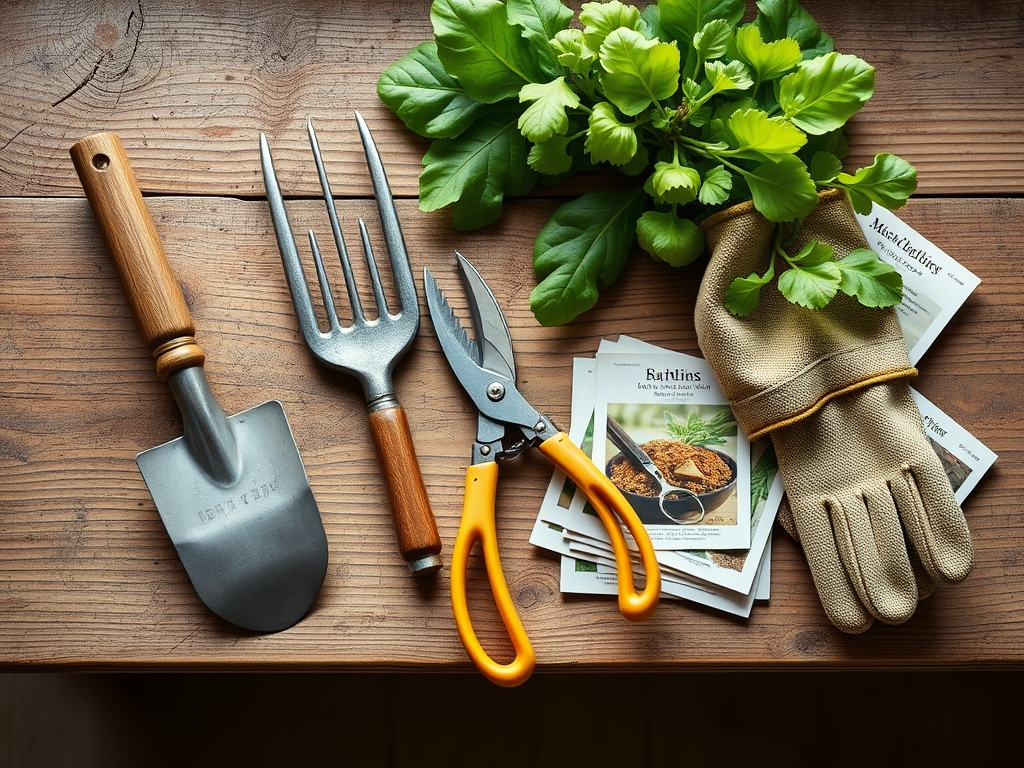
Materials:
To optimize biomass production, the substrate must be a **friable loam** with a high Cation Exchange Capacity (CEC). This allows the soil to hold onto essential nutrients like ammonium and potassium. The target **soil pH should sit between 6.0 and 7.5**. If the pH drops below 6.0, phosphorus becomes chemically locked, leading to stunted growth and purple-tinged foliage.
For fertilization, utilize a balanced NPK ratio of 10-10-10 at the time of planting to establish the root system. As the plant enters its rapid vegetative phase, switch to a nitrogen-heavy supplement like a 5-1-1 fish emulsion. Nitrogen is the primary driver of chlorophyll synthesis and leaf expansion. Ensure your site receives at least six hours of direct solar radiation daily; however, in warmer climates, 30 percent shade cloth is necessary to prevent premature bolting.
Timing:
Mustard greens are categorized as hardy annuals, thriving in USDA Hardiness Zones 2 through 11 depending on the season. The biological clock of the plant is governed by the photoperiod and ambient temperature. Ideal germination occurs when soil temperatures are between 45 and 85 degrees Fahrenheit.
Planting should occur four to six weeks before the last frost in the spring, or six to eight weeks before the first frost in the autumn. Once temperatures consistently exceed 85 degrees Fahrenheit, the plant triggers a hormonal shift from vegetative growth to reproductive development. This process, known as bolting, causes the leaves to become bitter and fibrous as the plant redirects energy toward flower and seed production.
Phases:
Sowing
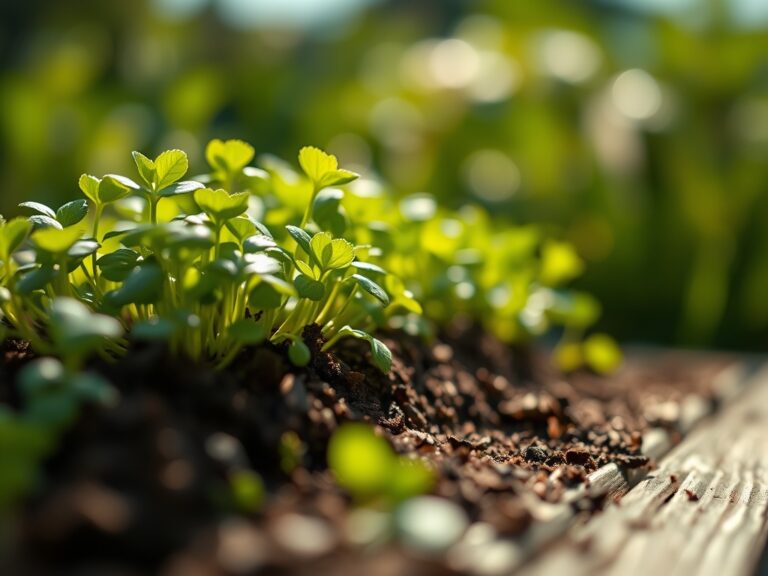
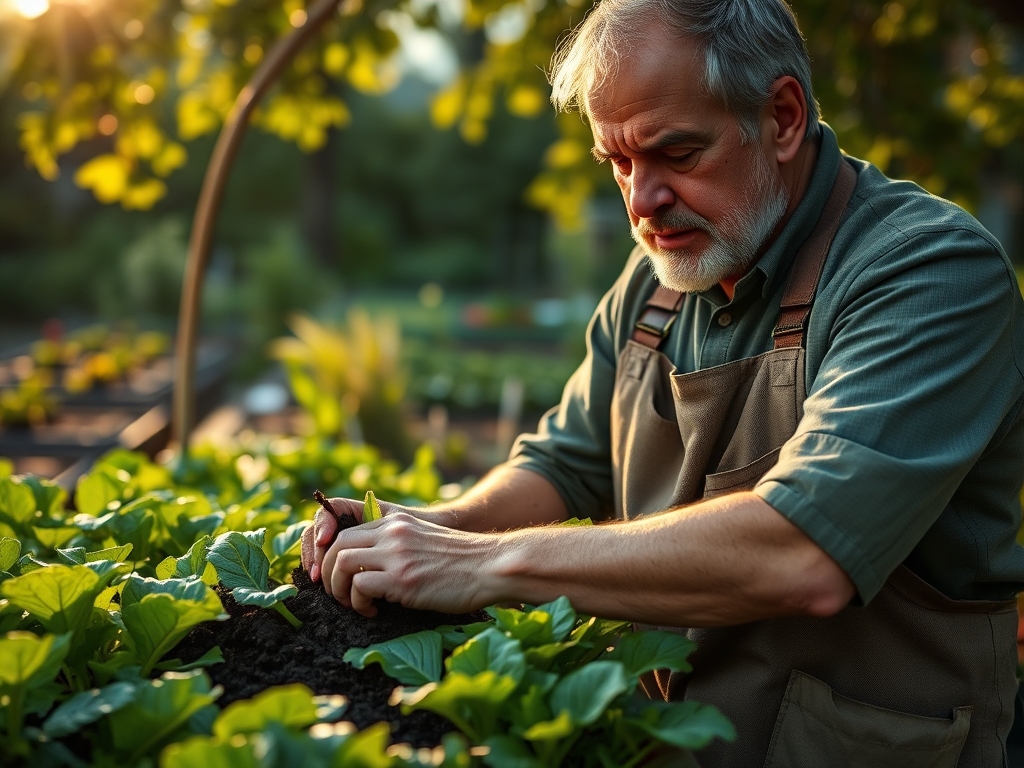
Direct sow seeds 0.25 to 0.5 inches deep in rows spaced 12 inches apart. Space individual seeds approximately one inch apart initially. Once seedlings reach three inches in height, thin them to a final spacing of six inches.
Pro-Tip: Proper spacing prevents excessive competition for light. When plants are crowded, they experience shade avoidance syndrome, where the plant elongates its petioles at the expense of leaf thickness to reach higher light intensity.
Transplanting
If starting indoors, use biodegradable peat pots to minimize transplant shock. Mustard greens have a sensitive root architecture that does not respond well to disturbance. Move starts outdoors when they have two sets of true leaves.
Pro-Tip: Inoculate the rhizosphere with mycorrhizal fungi during transplanting. This symbiotic relationship extends the effective root surface area, allowing for superior uptake of water and immobile nutrients like phosphorus.
Establishing
During the first 14 days, the focus is on root colonization. Use a soil moisture meter to ensure the top two inches of soil remain consistently moist but not anaerobic.
Pro-Tip: Avoid overhead irrigation during the establishment phase. Water at the base to prevent pathogenic fungal spores from splashing onto the foliage, which can trigger downy mildew.
The Clinic:
Physiological disorders often mimic pest damage but are usually rooted in environmental stress or nutrient imbalances.
Symptom: Interveinal chlorosis (yellowing between leaf veins).
Solution: This indicates a Magnesium deficiency. Apply a foliar spray of Epsom salts (magnesium sulfate) at a rate of one tablespoon per gallon of water to restore chlorophyll production.
Symptom: Marginal leaf burn or "tipburn."
Solution: This is caused by Calcium localized deficiency, often due to inconsistent watering. Ensure the plant receives 1.5 inches of water per week to facilitate the transpiration stream that carries calcium to the leaf tips.
Symptom: Premature flowering (Bolting).
Solution: This is a response to vernalization (prolonged cold) followed by rapid heat. To fix this in the future, select "slow-bolt" cultivars or provide afternoon shade to keep soil temperatures below 75 degrees Fahrenheit.
Fix-It: Nitrogen Chlorosis
If the entire plant appears pale green or yellow, it lacks nitrogen. Apply a high-nitrogen liquid fertilizer directly to the root zone. Nitrogen is highly mobile; you should see a color shift within 48 to 72 hours.
Maintenance:
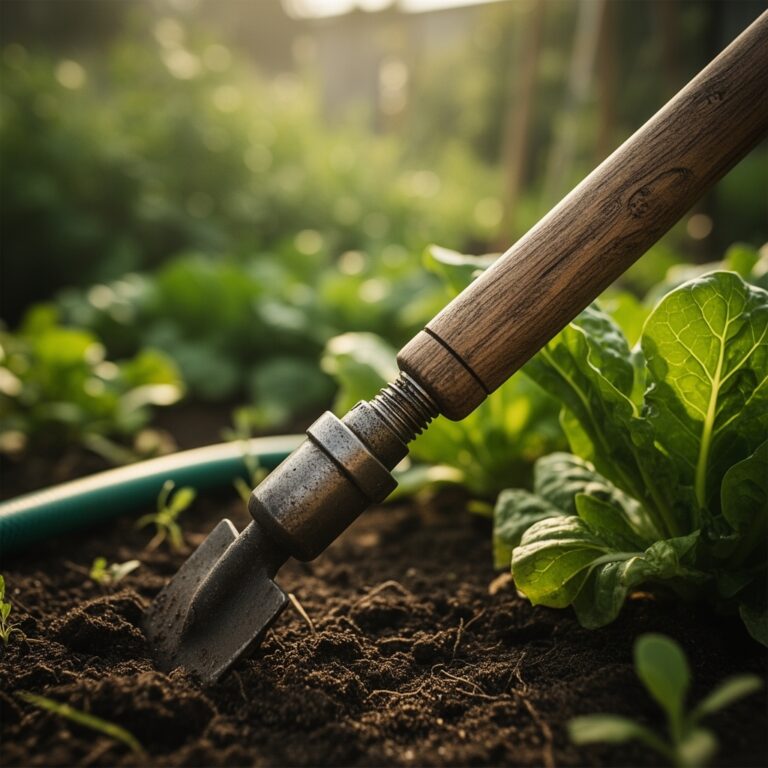
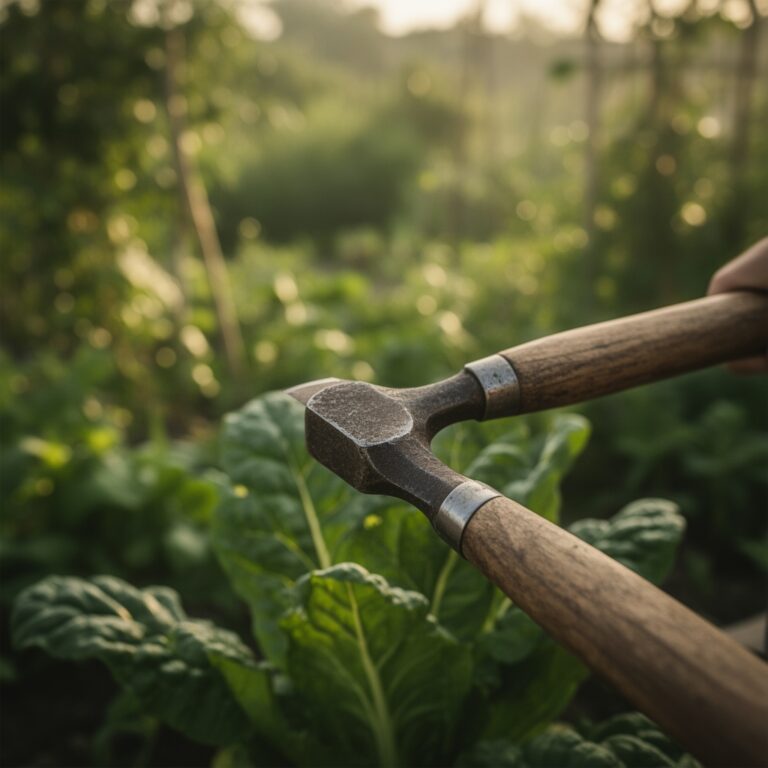
Precision is the hallmark of a professional garden. Use a hori-hori knife to remove weeds that compete for nutrients in the rhizosphere. Weeds act as "nutrient sinks," stealing the nitrogen you intended for your greens.
Watering must be regulated. Provide 1.5 inches of water per week at the drip line. In sandy soils with low CEC, split this into two or three smaller applications to prevent nutrient leaching. Monitor soil compaction; if the soil becomes capped, use a hand cultivator to break the surface tension, allowing oxygen to reach the roots for cellular respiration.
The Yield:
Harvesting can begin as "baby greens" when leaves are three to four inches long, or at full maturity when they reach six to eight inches. Use bypass pruners or sharp garden shears to cut the outer leaves first. This "cut and come again" method allows the central meristem to continue producing new foliage.
To maintain "day-one" freshness, harvest in the early morning before the sun induces transpiration. Immediately submerge the greens in 40-degree Fahrenheit water to remove field heat. This process, known as hydro-cooling, slows down the rate of senescence (cellular aging) and preserves the turgor pressure of the leaves for up to two weeks in refrigeration.
FAQ:
How much sun do mustard greens need?
Mustard greens require a minimum of six hours of direct sunlight for optimal growth. In regions with high thermal intensity, provide filtered afternoon shade to prevent the soil from overheating and triggering the bolting response.
Why are my mustard greens so spicy?
The "heat" comes from glucosinolates. High temperatures and water stress increase the concentration of these compounds. To produce milder leaves, ensure consistent moisture and harvest during the cooler parts of the spring or autumn seasons.
Can I grow mustard greens in containers?
Yes. Use a container with at least eight inches of depth and a volume of two gallons per plant. Ensure the potting mix has high organic matter to maintain the necessary moisture levels and nutrient density.
What is the best fertilizer for mustard greens?
Use a high-nitrogen fertilizer such as blood meal or fish emulsion. A ratio like 5-1-1 or 10-5-5 supports the rapid leaf development required for greens. Apply every two weeks during the active growing season.