9 Steps to Prepare for a Multi-Level Garden Pond
Damp earth carries a sharp, metallic scent when the spade first breaks the surface. This smell indicates active microbial respiration within the soil pores. A healthy garden relies on turgor pressure; the internal fluid force that keeps stems rigid and leaves expanded for maximum photosynthetic capture. When you learn how to prepare a garden for a pond, you are essentially re-engineering the local water table and soil density. You must account for the weight of the water, which exerts roughly 62.4 pounds per cubic foot on the underlying substrate. Preparing the site requires a transition from standard terrestrial horticulture to a managed aquatic ecosystem. Failure to stabilize the soil or balance the initial chemistry results in structural collapse or anaerobic stagnation. Success depends on precise calculations of slope, drainage, and soil compaction. You are not merely digging a hole; you are constructing a biological vessel that must support both hydrostatic pressure and a diverse rhizosphere.
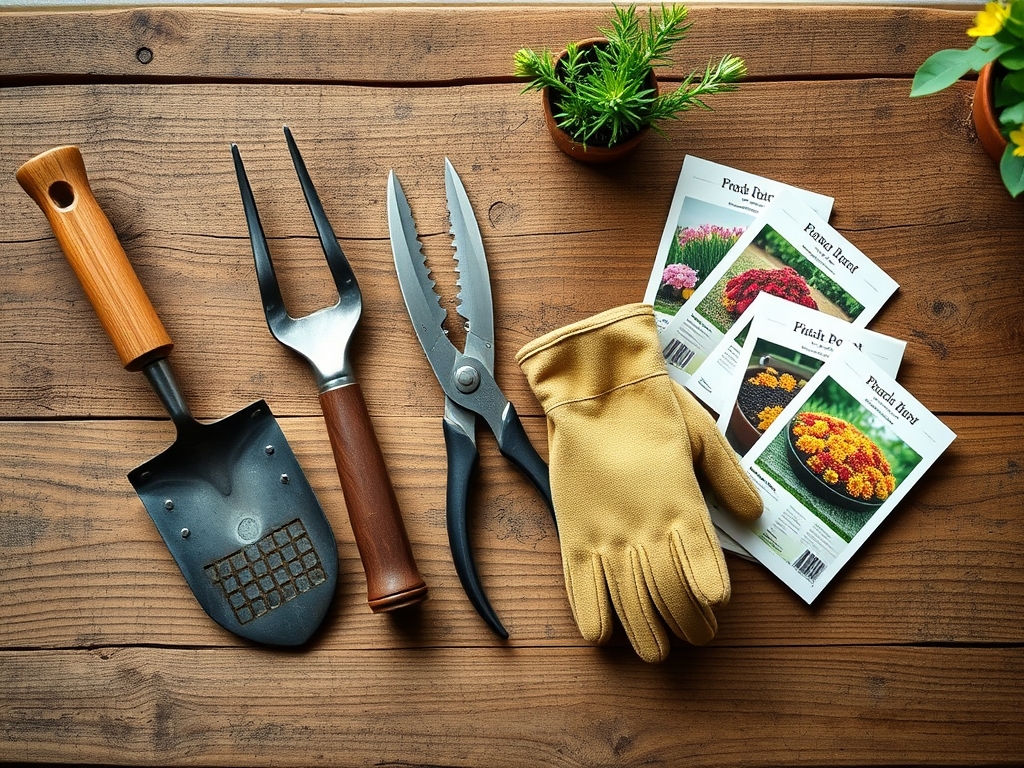
Materials:
The surrounding soil should be a **friable loam** with a Cation Exchange Capacity (CEC) between **15 and 25 meq/100g**. This allows the soil to hold essential nutrients without becoming waterlogged or hydrophobic. For the terrestrial plants bordering the pond, maintain a soil pH between **6.2 and 6.8**. Use a base fertilizer with an NPK ratio of **5-10-5** to prioritize root development over excessive foliage growth. Excessive nitrogen (the first number) will lead to runoff, triggering algal blooms in the pond. Ensure the substrate has a bulk density of approximately **1.3 grams per cubic centimeter** to provide structural integrity for the multi-level shelving. Use a **bentonite clay liner** or a **45-mil EPDM rubber membrane** to prevent seepage. Underlayment must be a non-woven geotextile fabric to protect the membrane from sharp aggregates in the subsoil.
Timing:
Excavation must occur when the soil is at "field capacity," meaning it is moist but not saturated. In Hardiness Zones 4 through 7, the ideal window is late spring after the final frost date when the soil temperature reaches a consistent 55 degrees Fahrenheit. This timing aligns with the "Biological Clock" of most temperate perennials, moving them from winter dormancy into the early vegetative stage. In Zones 8 through 10, early autumn is preferable to avoid the extreme heat that causes rapid evaporation and plant stress. Avoid digging during peak reproductive stages (flowering) as the plant allocates energy toward gamete production rather than root establishment. Monitoring the photoperiod is essential; ensure your site receives at least 6 hours of direct solar radiation if you intend to grow Nymphaeaceae (water lilies).
Phases:
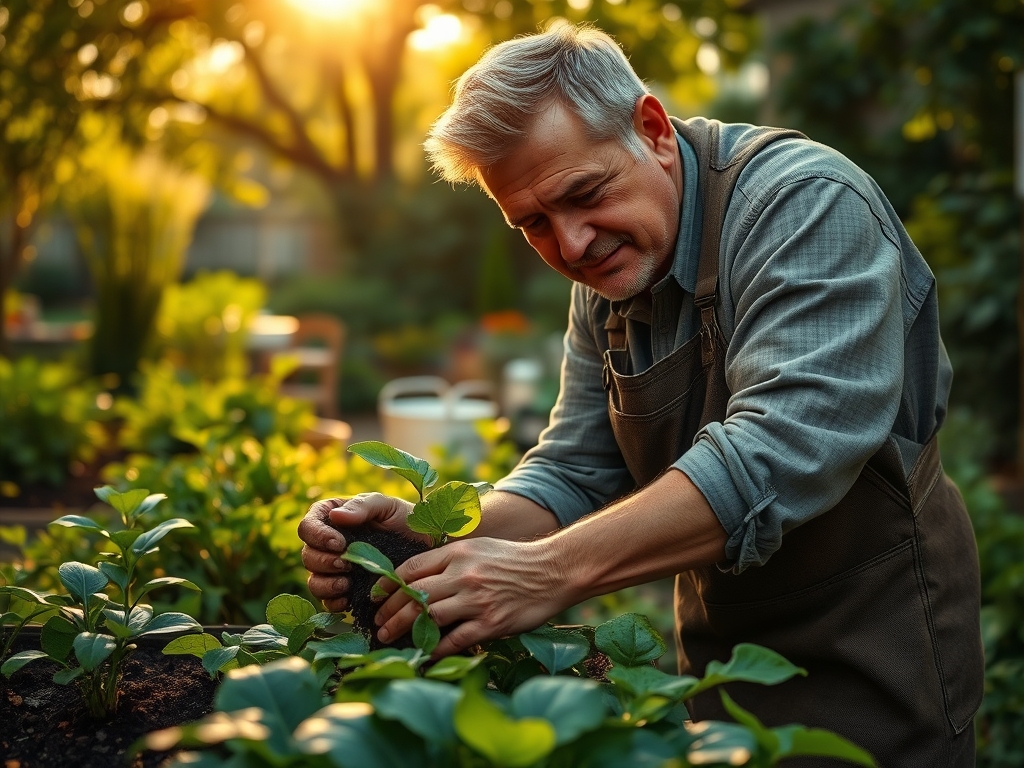
Sowing the Perimeter
Establish a vegetative buffer using native sedges or grasses. Sow seeds at a depth of 0.25 inches in the prepared loam. Maintain a consistent moisture level to ensure the radical (initial root) can penetrate the soil surface without desiccation.
Pro-Tip: Utilize mycorrhizal inoculants during sowing. This creates a mycorrhizal symbiosis where fungal hyphae extend the root system's reach, increasing phosphorus uptake by up to 300 percent.
Transplanting Aquatic Flora
When placing marginal plants on the pond levels, ensure the crown is positioned at the specific depth required for the species. For example, Iris pseudacorus requires a water depth of 0 to 4 inches. Use heavy clay loam in planting baskets to prevent the substrate from floating away.
Pro-Tip: Direct the roots downward to counteract phototropism. While stems grow toward light, roots must be encouraged to seek the nutrient-rich anaerobic zone of the pond bottom to stabilize the plant against water movement.
Establishing the Ecosystem
Once the pond is filled, wait 72 hours for the water temperature and chemistry to stabilize before introducing sensitive biological components. Monitor the dissolved oxygen levels; they should remain above 5 parts per million (ppm) to support aerobic bacteria.
Pro-Tip: Avoid pruning the terminal buds of new plants immediately. This prevents auxin suppression, allowing the plant to utilize its natural growth hormones to establish a dominant leader and robust architecture.
The Clinic:
Physiological disorders often arise from improper site preparation or water chemistry imbalances.
- Symptom: Interveinal chlorosis (yellowing between leaf veins) in perimeter plants.
- Solution: This indicates a Magnesium deficiency. Apply Epsom salts (Magnesium Sulfate) at a rate of 1 tablespoon per gallon of water.
- Symptom: Stunted growth and dark purple tint on older leaves.
- Solution: This is a classic Phosphorus deficiency. Incorporate bone meal into the rhizosphere to lower the soil pH slightly and increase nutrient availability.
- Symptom: Soft, translucent patches on aquatic foliage.
- Solution: Likely Oxygen deprivation or thermal shock. Ensure water circulation via a pump moving at least 50 percent of the total pond volume per hour.
Fix-It for Nitrogen Chlorosis: If the entire leaf turns pale green or yellow, apply a controlled-release 10-0-0 organic fertilizer. Be precise; excess nitrogen will leach into the pond and cause an "Oxygen Debt" as algae dies and decomposes.
Maintenance:
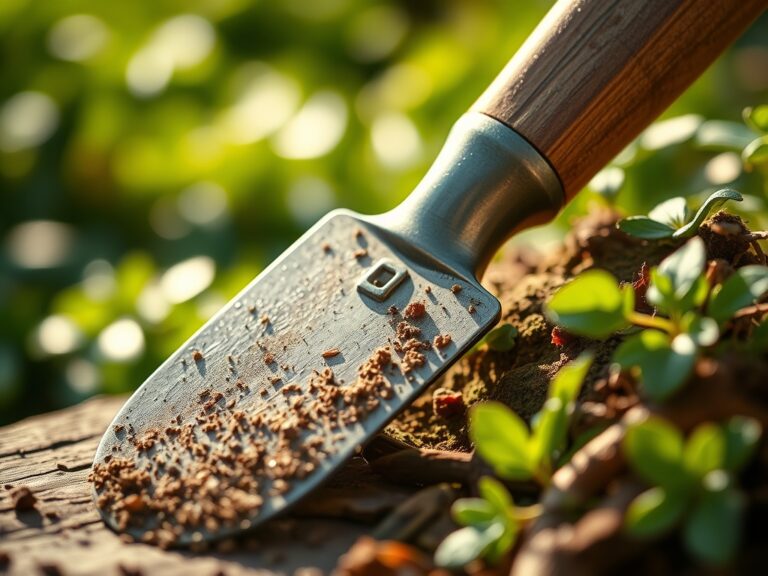
Precision is the hallmark of a stable pond environment. Terrestrial border plants require 1.5 inches of water per week delivered at the drip line to maintain cellular turgor. Use a soil moisture meter daily during the first growing season to ensure the transition zone between the pond and the garden remains hydrated but not swampy. For maintenance, a hori-hori knife is indispensable for dividing overgrown rhizomes in the marginal shelves. Use bypass pruners for clean vascular cuts on spent foliage; anvil pruners will crush the xylem and phloem, inviting pathogens. Monitor the pond's pH weekly; it should fluctuate between 7.0 and 8.5. If the pH climbs above 9.0, add organic peat or specialized buffers to prevent ammonia toxicity.
The Yield:
For those growing edible aquatic plants like Nasturtium officinale (watercress), harvest during the vegetative stage before the plant reaches senescence (aging/flowering). Use sharp shears to cut the top 3 to 5 inches of growth. To maintain "day-one" freshness, immediately submerge the stems in 40-degree Fahrenheit water. This slows the metabolic rate and prevents the breakdown of chlorophyll. For ornamental flowers like lotus, harvest in the early morning when the "turgor pressure" is at its peak. This ensures the blooms remain upright and the vascular tissue stays hydrated for a longer post-harvest life.
FAQ:
How deep should a multi-level pond be?
The deepest zone should reach at least 24 to 36 inches. This provides a thermal refuge for aquatic life and prevents the entire water column from freezing in winter or overheating in summer.
What is the best soil for pond plants?
Use a heavy silty clay loam. Avoid standard potting mixes containing peat or perlite; these materials will float and clog filtration systems. The clay provides the necessary density to anchor roots.
How do I prevent the pond from leaking?
Install a 45-mil EPDM liner over a protective geotextile underlayment. Ensure the excavation walls are compacted to a 95 percent Proctor density to prevent soil shifting that could puncture the membrane.
Can I use tap water to fill my pond?
Yes, but you must neutralize chlorine and chloramines first. Use a commercial de-chlorinator or allow the water to off-gas for 48 hours before introducing any biological elements or sensitive flora.