7 Steps to Prepare a Secure Garden Pergola Site
The earth beneath a proposed pergola carries the weight of both structure and botanical future. Learning how to prepare a site for a garden pergola begins with soil assessment, drainage evaluation, and root-zone protection. A secure pergola anchors into compacted subsoil while surrounding beds maintain friable topsoil enriched to 3.5–4.0% organic matter. The first shovel breaks ground not for decoration but for engineered stability and long-term plant health.
Materials
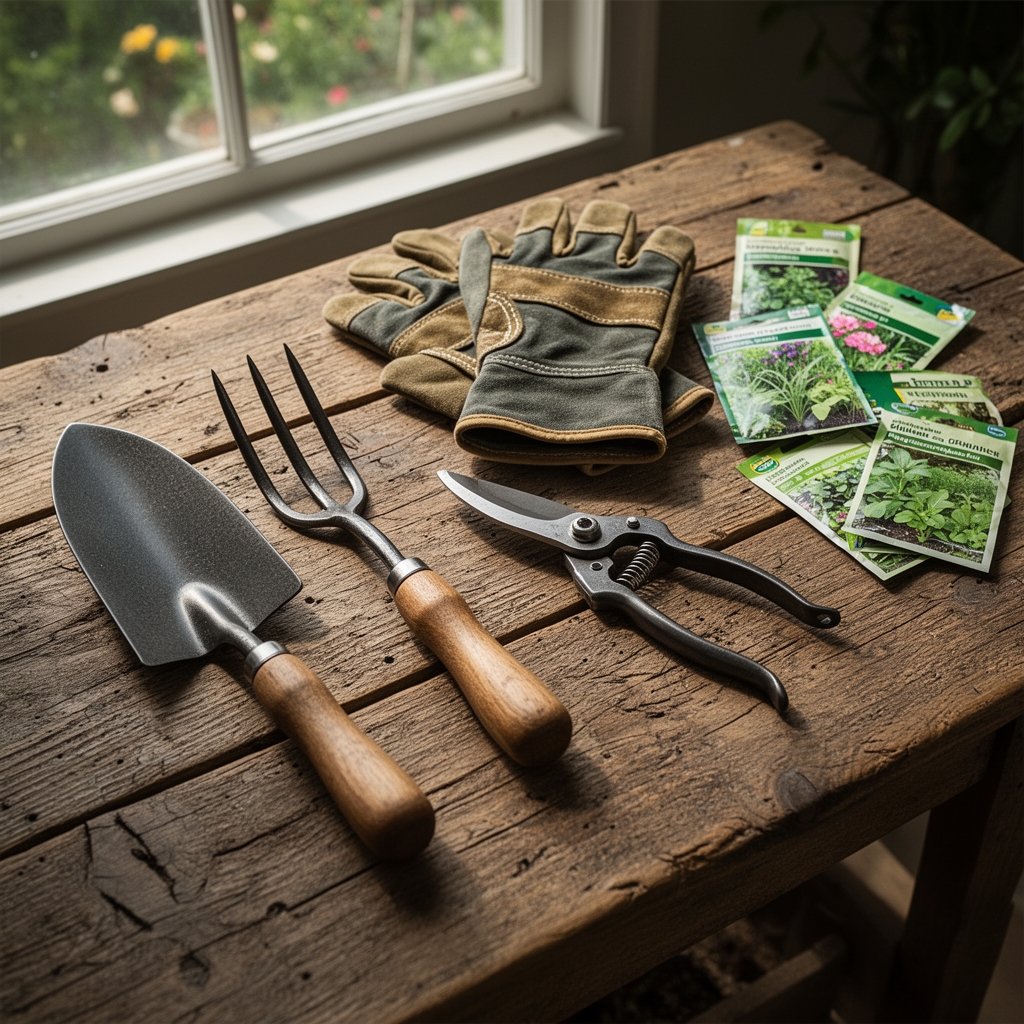
Foundation work demands crushed limestone at 3/4-inch grade for post footings, extending 36 inches below frost line in Zones 3–5 and 24 inches in Zones 6–8. Concrete mix rated at 3,000 psi provides structural integrity without chemical leaching into root zones.
For soil amendment, apply composted pine bark fines at 2 cubic yards per 100 square feet, adjusting pH to 6.2–6.8 with dolomitic lime if initial readings fall below 5.8. Incorporate alfalfa meal (3-1-2 NPK) at 5 pounds per 100 square feet to boost nitrogen without excessive salts. Kelp meal (1-0.1-2) supplies trace minerals and natural auxins at 2 pounds per 100 square feet. Bone meal (4-12-0) addresses phosphorus needs for root establishment at 3 pounds per 100 square feet.
Mycorrhizal inoculant containing Glomus intraradices and Glomus mosseae should be mixed at manufacturer rates, typically 1 tablespoon per transplant hole. Biochar enhances cation exchange capacity; incorporate at 10% by volume into the top 8 inches of planting beds.
Hardware includes galvanized post anchors rated for 1,200 pounds lateral load, 6×6-inch pressure-treated posts (ground-contact rated at 0.60 PCF retention), and stainless steel lag bolts. Avoid copper-based wood preservatives within 18 inches of edible plantings.
Timing
Site preparation begins 8–12 weeks before the last expected frost date. In Zone 5, initiate work in late February; Zone 7 allows mid-January starts. Soil amendments require 6 weeks to stabilize pH and integrate organic matter through microbial action before planting.
Post installation occurs when soil temperature at 12-inch depth reaches 45°F, ensuring concrete cures without frost heave. This window opens mid-March in Zone 6, early April in Zone 5, and late February in Zone 8.
Transplant climbers and perimeter plantings 2 weeks after the last frost when soil reaches 55°F at root depth. Fall planting succeeds 6–8 weeks before first frost, allowing root establishment before dormancy.
Phases

Site Assessment and Excavation: Mark pergola footprint with marking paint. Test soil compaction with a penetrometer; readings above 300 psi require subsoiling to 18-inch depth. Excavate post holes to 42 inches in cold climates, maintaining 10-inch diameter. Trench perimeter beds to 14-inch depth, removing turf and subsoil. Install drainage tile if percolation tests show water retention beyond 4 hours.
Pro-Tip: Layer 4 inches of coarse sand at hole bottoms before concrete pour. This capillary break prevents moisture wicking into post ends.
Structural Installation and Soil Building: Set posts plumb using laser level, accurate to 1/8 inch over 10 feet. Pour concrete in 6-inch lifts, vibrating each layer to eliminate voids. Cure for 72 hours under plastic sheeting.
Simultaneously, build perimeter soil by mixing excavated topsoil with amendments. Spread mixture to 14-inch depth, avoiding compaction by working from plywood platforms. Incorporate mycorrhizal inoculant into the top 6 inches where roots will establish. Create 3-inch mulch basins around post perimeters using shredded hardwood bark to prevent moisture accumulation against wood.
Pro-Tip: Inoculate soil with beneficial Trichoderma harzianum at 1 ounce per 50 square feet. This fungus colonizes root zones and suppresses Armillaria and Phytophthora pathogens.
Planting and Root Establishment: Position climbers 16–20 inches from posts to avoid structural root conflict. Clematis requires 3 inches of stem below soil line to encourage basal shoot development. Wisteria demands root pruning at planting by removing circling roots and cutting taproots at 18 inches to control vigor.
Water transplants with starter solution containing 1 tablespoon fish emulsion (5-1-1) per gallon, applying 1 quart per plant. Stake climbers to posts using soft ties at 45-degree angles to promote auxin distribution and lateral branching.
Pro-Tip: Prune clematis to 12 inches at planting regardless of existing growth. This forces energy into root development and produces dense basal growth by year two.
Troubleshooting
Symptom: Posts lean or shift within first season.
Solution: Excavate and add concrete collar extending 8 inches beyond original pour. Frost heave indicates insufficient depth; re-set posts 6 inches deeper.
Symptom: Yellowing foliage with green veins on climbers.
Solution: Iron chlorosis from alkaline pH. Drench soil with chelated iron (Fe-EDDHA) at 1 tablespoon per gallon monthly until symptoms resolve. Lower pH with elemental sulfur at 1 pound per 100 square feet.
Symptom: Clematis wilt, sudden collapse of stems.
Solution: Phoma clematidina fungus. Remove affected stems 2 inches below soil line. Drench crowns with thiophanate-methyl fungicide. Increase air circulation and reduce overhead watering.
Symptom: Japanese beetles skeletonize foliage.
Solution: Apply Bacillus thuringiensis galleriae (Btg) targeting beetle larvae in soil. Handpick adults into soapy water at dawn. Neem oil (0.9% azadirachtin) provides 7-day knockdown.
Symptom: Wood rot at post base within 3 years.
Solution: Inadequate drainage or soil contact. Excavate to 6 inches below grade, install gravel collar, and seal post ends with copper naphthenate.
Maintenance
Apply 1 inch of water weekly, measured with rain gauge, during active growth. Deep watering every 5 days surpasses daily shallow irrigation by promoting roots to 18-inch depth.
Feed established climbers with 10-10-10 slow-release fertilizer at 2 tablespoons per plant in early April and again in mid-June. Cease nitrogen after August 1 to harden growth before frost.
Prune wisteria twice yearly: shorten lateral shoots to 6 inches in July, reduce again to 3 buds in January. Clematis Group 2 cultivars require only deadwood removal in March.
Refresh mulch to 3-inch depth each spring, keeping material 4 inches from post bases. Inspect hardware annually, tightening bolts to 25 foot-pounds torque.
FAQ
How deep should pergola posts be set?
Install posts to 36 inches in Zones 3–5, 24 inches in Zones 6–8, always extending 6 inches below frost line. Concrete footings prevent heave and provide 1,200-pound lateral resistance.
What soil pH suits pergola plantings?
Target 6.2–6.8 for broadest plant compatibility. Clematis tolerates up to 7.2. Wisteria thrives at 6.0–6.5. Test annually and adjust with sulfur or lime as needed.
When can I plant after post installation?
Wait 7 days for concrete cure, then 2–3 weeks for soil amendments to integrate. Soil temperature must reach 55°F at 6-inch depth before transplanting.
Which climbers establish fastest?
Clematis 'Jackmanii' reaches 8 feet in one season with 4-4-4 feeding. Lonicera sempervirens (coral honeysuckle) grows 6 feet annually in Zones 4–9. Avoid invasive Lonicera japonica.
How do I prevent post rot?
Use ground-contact treated lumber (0.60 PCF retention), apply gravel collars, and maintain 4-inch mulch-free zones. Seal cut ends with copper naphthenate before installation. Inspect annually for soft spots.