8 Innovative Steps to Build a Tool Tracking App
The smell of damp earth and the firm turgor of a healthy leaf define a successful growing season. High turgor pressure indicates that cellular water intake is optimized; this allows the plant to maintain its structural integrity against gravity. To sustain this physiological health, your hardware must remain in peak condition. Learning how to prepare a garden for a tool maintenance app requires organizing your physical workspace to sync with digital tracking systems. This integration ensures that every bypass pruner and soil probe is calibrated for precision work.
Materials:
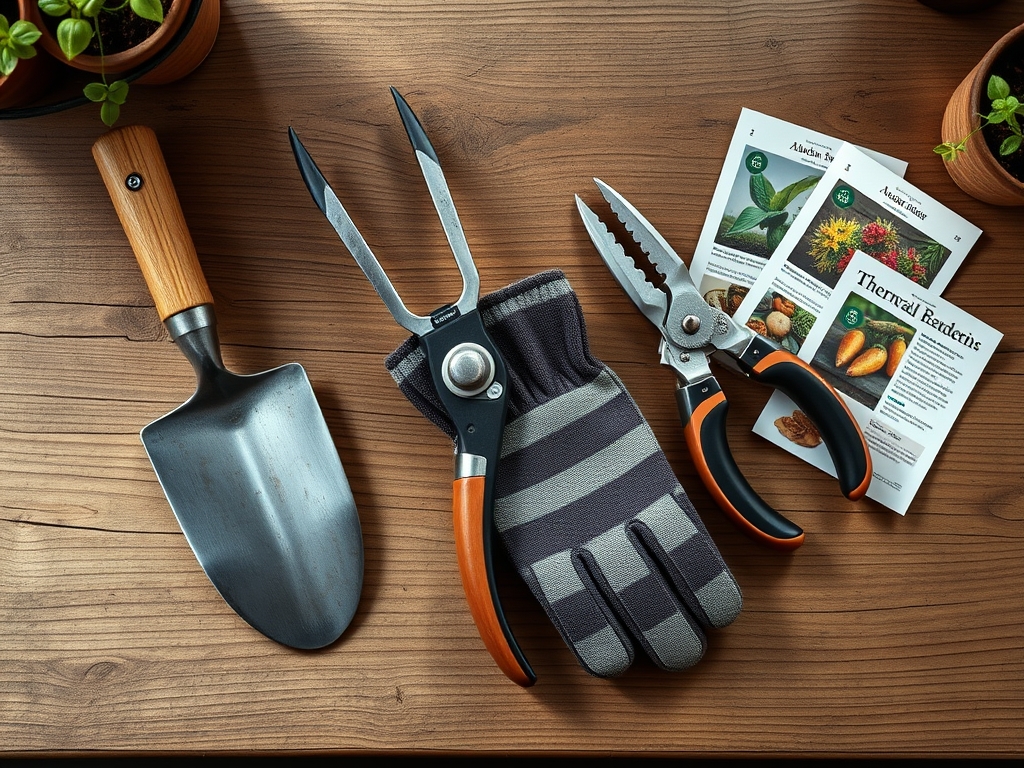
Successful cultivation begins with a friable loam substrate. This soil texture provides the ideal balance of aeration and water retention. Aim for a **soil pH between 6.2 and 6.8** to maximize nutrient bioavailability. For vegetative growth, utilize a fertilizer with an **NPK ratio of 10-5-5** to provide sufficient nitrogen for chlorophyll production. During the flowering or fruiting stages, transition to a **5-10-10 ratio** to support root development and reproductive health. High Cation Exchange Capacity (CEC) in the soil ensures that positively charged ions like potassium and magnesium remain accessible within the rhizosphere.
Timing:
Hardiness zones dictate the operational window for both the plant and its supporting equipment. In Zones 5 through 7, the primary growing season spans from the last frost in late April to the first frost in October. The biological clock of the plant moves from the vegetative stage, where energy is focused on leaf and stem biomass, to the reproductive stage, triggered by changes in the photoperiod. Monitoring these transitions allows you to schedule tool maintenance during periods of lower physiological activity. For example, sharpening blades is best done before the spring surge to ensure clean vascular cuts that prevent pathogen entry.
Phases:

Sowing
Direct sow seeds at a depth exactly three times the width of the seed. Maintain a consistent soil temperature of 65 to 75 degrees Fahrenheit for optimal germination rates. Ensure the soil remains moist but not saturated to prevent fungal damping-off.
Pro-Tip: Mycorrhizal symbiosis is essential here. By inoculating the soil with beneficial fungi, you extend the root system's reach; this allows the plant to absorb phosphorus more efficiently than it could through its own root hairs alone.
Transplanting
Move seedlings when they have developed at least two sets of true leaves. Handle the root ball with care to avoid damaging the delicate root hairs responsible for water uptake. Dig a hole twice the width of the container to allow for easy lateral root expansion into the surrounding friable loam.
Pro-Tip: Minimize transplant shock by maintaining high humidity for the first 48 hours. This reduces the transpiration rate while the roots establish a hydraulic connection with the new soil environment.
Establishing
Once the plant is established, monitor the internodal spacing. Stretched stems indicate a lack of sufficient light, leading to phototropism where the plant leans toward the light source. Maintain a consistent 14-hour photoperiod for most sun-loving species to prevent premature senescence.
Pro-Tip: Practice apical dominance management by pinching off the terminal bud. This suppresses auxin flow down the stem; it encourages lateral branching and results in a bushier, more productive plant structure.
The Clinic:
Physiological disorders often mimic infectious diseases but result from environmental or nutritional imbalances.
- Symptom: Interveinal Chlorosis. The leaves turn yellow while the veins remain green.
- Solution: This indicates a magnesium deficiency. Apply Epsom salts (magnesium sulfate) at a rate of one tablespoon per gallon of water to restore chlorophyll function.
- Symptom: Blossom End Rot. A dark, sunken leathery spot appears on the bottom of the fruit.
- Solution: This is caused by localized calcium deficiency. Ensure consistent soil moisture to allow for steady calcium transport through the xylem.
- Symptom: Tip Burn. The edges of young leaves appear scorched or withered.
- Solution: This often results from excessive salt buildup in the substrate. Flush the soil with three times the volume of the container in fresh water to leach out excess minerals.
- Fix-It for Nitrogen Chlorosis: If the entire leaf turns pale green or yellow, the plant lacks nitrogen. Apply a high-nitrogen liquid fertilizer (e.g., 20-0-0) to provide an immediate boost to the photosynthetic machinery.
Maintenance:
Precision maintenance prevents plant stress and equipment failure. Provide 1.5 inches of water per week at the drip line rather than the base of the stem to encourage outward root growth. Use a soil moisture meter to verify that the root zone is not anaerobic. When pruning, use sharp bypass pruners to make clean, angled cuts at a 45-degree angle just above a node. This prevents water from pooling on the wound and reduces the risk of infection. For weeding and planting, a hori-hori knife is the standard for measuring depth and slicing through stubborn root mats without disturbing the surrounding soil structure.
The Yield:
Harvesting must occur when the plant reaches peak physiological maturity. For leafy greens, harvest in the early morning when turgor pressure is at its maximum. This ensures the crispest texture. For fruiting plants, look for the "abscission layer" to form at the base of the fruit stem; this indicates the plant has stopped sending nutrients to the fruit. Post-harvest, immediately move produce to a cool, shaded area to slow the rate of respiration and preserve "day-one" freshness. Rapid cooling preserves the sugar-to-starch ratio in many crops.
FAQ:
How do I calibrate a soil moisture meter?
Submerge the probe in a container of distilled water to check for a "wet" reading. Then, test a sample of oven-dried soil for a "dry" reading. This establishes the baseline for accurate volumetric water content measurements in the field.
What is the best way to clean bypass pruners?
Scrub blades with a stiff brush to remove sap. Wipe the metal surfaces with 70 percent isopropyl alcohol to sterilize against pathogens. Apply a thin layer of mineral oil to the pivot point to prevent oxidation and ensure smooth mechanical action.
Why is soil pH important for tool longevity?
Acidic soils with a pH below 5.0 are highly corrosive to metal components. Monitoring soil pH not only ensures nutrient availability for the plant but also protects the integrity of underground irrigation sensors and metal stakes from rapid chemical degradation.
How often should I update a tool tracking app?
Log every usage event and maintenance task immediately. Record sharpening dates, battery cycles for electric shears, and calibration data for pH pens. This data allows for predictive maintenance; it ensures tools are ready before the biological window for pruning closes.